Pregnancy & TTC
Non-Toxic Pregnancy Checklist UK: What to Avoid, in Order
Quick answer
Start with the NHS essentials: 400 micrograms of folic acid, 10 micrograms of vitamin D, no alcohol, no smoking and the NHS food list. Then make easy lower-exposure swaps: check older homes for lead, ventilate and let someone else paint, choose fragrance-free basics and replace scratched non-stick pans. These swaps have weaker evidence than the NHS basics.
Our picks

Viridian Vitamin D3 400iu (Vegan)
Viridian
- • 10 micrograms (400 IU) vitamin D3
- • Vegan, plant capsule
Honest caveat: No independent product-level test is published. Vitamin D supports bone health but does not ease hot flushes. Do not exceed 100 micrograms a day.
£7.55
viridian-nutrition.com
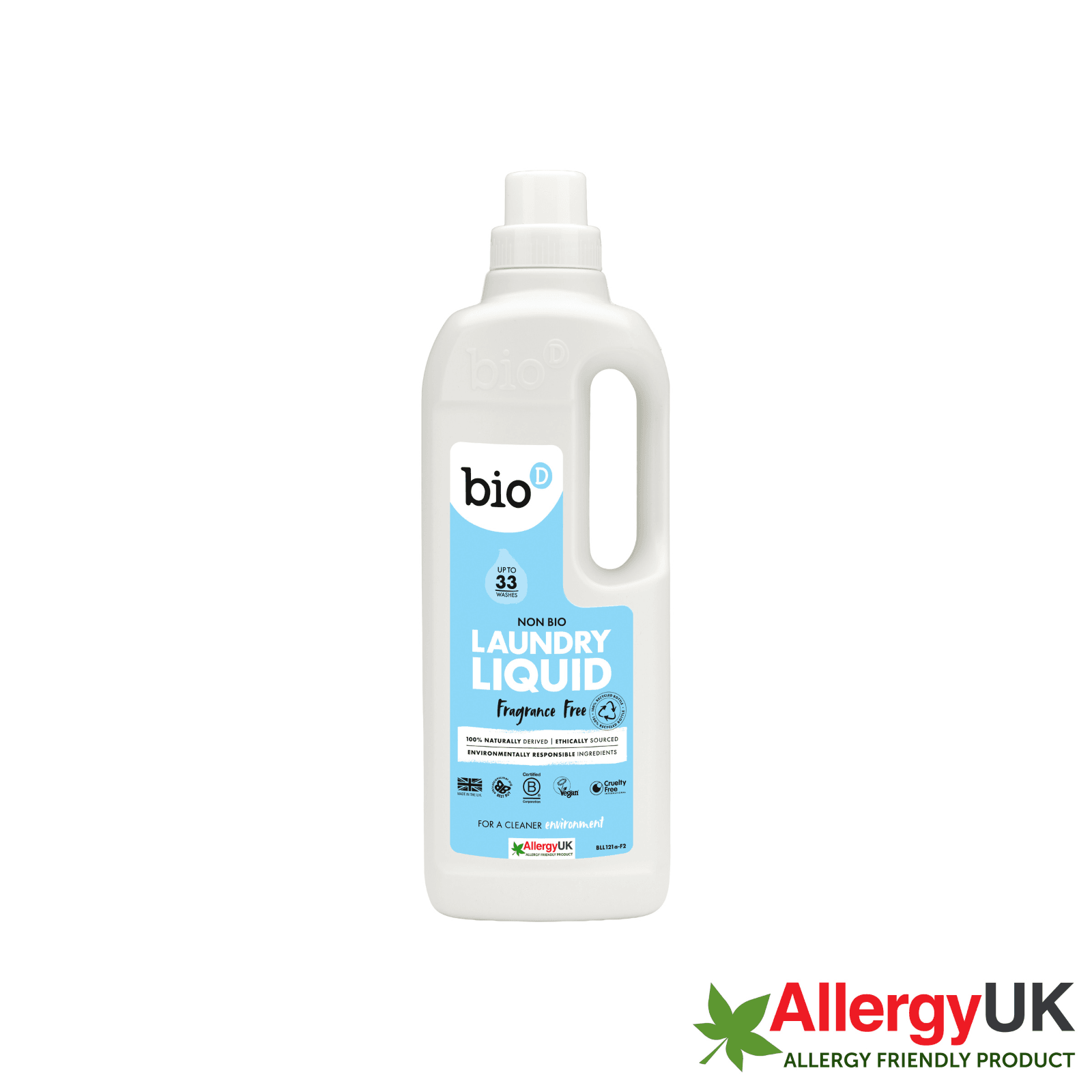
Bio-D Non Bio Fragrance Free Laundry Liquid 1L
Bio-D
- • Allergy UK accredited
- • Fragrance-free, enzyme-free
Honest caveat: Was out of stock on Bio-D’s own shop when last checked (eco retailers stock it). You may need a slightly higher dose in hard water.
£4.33
biod.co.uk

COAT Flat Matt Paint
COAT
- • Under 30 g/L VOC
- • French A+ emissions class
Honest caveat: The A+ label is self-declared from chamber testing, not an independent certificate. Ventilation and keeping out of the room while it dries matter as much as the tin.
£62
coatpaints.com

Green People Scent Free Mineral Sun Cream SPF30
Green People
- • Single UV filter: zinc oxide (non-nano)
- • Fragrance-free
Honest caveat: SPF30 is the NHS minimum, not a margin above it. The 30ml ’Scent Free Sun Cream’ from the same brand is a different, hybrid formula, so check the name.
£33 typical price
Amazon · greenpeople.co.uk
We may earn a commission if you buy through our links. How we choose ›
How strong is the research? What our grades mean ›
- Strong research
- Independent certification or lab data for the specific claim.
- Promising research
- The material is well supported, but there is no product-level testing.
- Early research
- Little independent research.
- Mixed research
- Research findings disagree.
- £
- Under £20
- ££
- £20 to £79
- £££
- £80+
Short answer: start with the NHS basics, because they have by far the strongest evidence: folic acid, vitamin D, no alcohol, no smoking, and the NHS food list. After that, a few low-effort swaps (ventilating when decorating, fragrance-free basics, uncoated pans, checking for lead pipes) are reasonable precautions, but the evidence behind them is much weaker.
Why this checklist puts the NHS first
Search for a "non-toxic pregnancy" and you will find long lists of products to throw out. Most of those lists skip the steps that matter most. The Royal College of Obstetricians and Gynaecologists (RCOG) does suggest a "safety first" approach to everyday chemicals, but the scientists behind its advice were clear that "for most environmental chemicals we do not know whether or not they really affect a baby's development" and that low-dose exposures "may pose minimal risk". So this list is ordered by strength of evidence, not by how alarming something sounds.
Part 1: the NHS essentials (Strong evidence)
1. Take folic acid
The NHS advises 400 micrograms of folic acid every day from before you conceive until 12 weeks of pregnancy. Some people are advised a higher 5 milligram dose (for example with a family history of neural tube defects, diabetes, or certain epilepsy or HIV medicines), which a GP can prescribe.
2. Take vitamin D
The NHS recommends 10 micrograms of vitamin D a day for pregnant and breastfeeding women, particularly from September to March, and warns not to take more than 100 micrograms (4,000 IU) a day. Many pregnancy multivitamins cover both folic acid and vitamin D. You may qualify for free vitamins through the Healthy Start scheme. More detail is in our vitamin D supplement guide.
3. Avoid vitamin A supplements and liver
The NHS says not to take cod liver oil or any supplement containing vitamin A (retinol) in pregnancy, and to avoid liver and liver products.
4. Do not drink alcohol
The NHS position is simple: if you are pregnant or planning to be, you should not drink alcohol.
5. Stop smoking and avoid other people's smoke
Smoking restricts the baby's oxygen supply and raises the risk of stillbirth and low birth weight. The NHS also notes that second-hand smoke from a partner or housemate can lower birth weight and raise the risk of sudden infant death. If vaping helps you quit, the NHS says it is far less risky than continuing to smoke. Free help: the National Smokefree helpline on 0300 123 1044.
6. Follow the NHS food list
The NHS foods to avoid page covers raw or undercooked meat, raw shellfish, swordfish, shark and marlin (mercury), unpasteurised dairy, some soft and blue cheeses unless cooked until steaming, and eggs without the British Lion stamp unless fully cooked. Limit tuna to 4 cans or 2 steaks a week, oily fish to 2 portions a week, and caffeine to 200mg a day.
7. Cut toxoplasmosis risk
The NHS advises wearing gloves to empty cat litter and when gardening, washing hands afterwards, and washing soil off fruit and vegetables.
Part 2: lower-exposure swaps worth doing (Promising to Early evidence)
These are sensible, low-cost precautions. None of them is as important as Part 1.
8. Check for lead if your home is old
UKHSA says homes built before 1970 may have lead pipes, and lead paint was common before the 1970s. It advises pregnant women to avoid activities with a risk of high lead exposure. In practice that means: ask your water company to test if you suspect lead pipes, run the kitchen tap after water has stood overnight, and do not sand or strip old paint yourself. A jug certified to NSF/ANSI 53 for lead is a useful stopgap; see our water filter guide.
9. Let someone else paint, and ventilate
Tommy's, the pregnancy charity, says modern paint fumes are unlikely to harm a developing baby but solvent-based paints and old paintwork carry more risk. Use water-based paint, keep windows open, and stay out of the room while it dries. Our low-VOC paint guide covers lower-emission options.
10. Simplify, and go fragrance-free where it is easy
RCOG's advice includes using personal care products less. Phthalates (chemicals used in some fragrances and plastics) have been associated with a higher chance of preterm birth in a pooled analysis of 16 US cohorts. That is an association, not proof, but switching laundry, moisturiser and shampoo to fragrance-free versions costs little. See our fragrance-free moisturiser, fragrance-free shampoo and laundry detergent guides.
11. Ventilate when cleaning and skip pesticides
Tommy's advises ventilating rooms, reading oven cleaner instructions carefully, and avoiding fly sprays, flea powders and garden pesticides. You do not need special "pregnancy" cleaning products; see our cleaning products guide.
12. Hair dye is generally fine
The NHS says most research shows it is safe to dye your hair while pregnant. You may choose to wait until after 12 weeks, wear gloves, ventilate and do a strand test.
13. Cookware: replace scratched non-stick when convenient
PFAS (long-lasting "forever chemicals") in pregnancy have been linked to slightly lower birth weight in meta-analyses, but cookware is a minor source compared with food and water. If a non-stick pan is scratched or flaking, replacing it with stainless steel, cast iron or carbon steel is reasonable. See is non-stick cookware worth avoiding? and our frying pan picks.
14. Wear sun cream
Pregnancy can make skin more prone to darker patches, and the NHS recommends SPF30 or higher with at least 4-star UVA. Our mineral sunscreen guide has fragrance-free options.
15. Water: drink tap water
UK tap water is tightly regulated. Unless you have lead pipes, a filter is optional. Our explainer on whether you need a water filter goes through when it is worth it.
Our picks at a glance
| Product | Best for | Material/key feature | Price | Evidence grade |
|---|---|---|---|---|
| Vitamin DViridian Vitamin D3 400iu (Vegan) | Meeting NHS vitamin D advice | 10 micrograms (400 IU) per capsule | £7.55 | Promising |
| Laundry cleanerBio-D Non Bio Fragrance Free Laundry Liquid 1L | Easy fragrance-free swap | Allergy UK accredited, no fragrance | £4.33 | Strong |
| Wall paintCOAT Flat Matt Paint | Painting a nursery | Under 30 g/L VOC, A+ emissions class | £62 | Promising |
| SunscreenGreen People Scent Free Mineral Sun Cream SPF30 | Daily sun protection | Zinc oxide only, fragrance-free | £33 typical price | Promising |
How we chose
We only picked products that match a step above and that are already on our site with a verified UK buy page. We did not include "pregnancy-safe" branded ranges, because that label has no legal meaning.
The picks
Viridian Vitamin D3 400iu (Vegan)
The exact NHS dose, with nothing else added. Caveat: if your pregnancy multivitamin already contains vitamin D, you do not need this as well.
Bio-D Non Bio Fragrance Free Laundry Liquid 1L
A cheap way to remove added fragrance from every wash, and it suits newborn clothes later. Caveat: soap-based liquids can leave residue in very hard water.
COAT Flat Matt Paint
Low-VOC, water-based and washable. Caveat: the A+ class is self-declared; ventilation matters as much as the tin, and ideally someone else does the painting.
Green People Scent Free Mineral Sun Cream SPF30
Zinc oxide is the only UV filter, with no added fragrance. Caveat: SPF30 is the minimum, so apply generously and reapply.
What the evidence says
The checklist above is deliberately lopsided. Folic acid, not smoking, no alcohol and food hygiene have strong, direct evidence of benefit. Most "toxin" swaps rest on associations from observational studies, which cannot prove cause and effect, and the exposures involved are usually small. For a ranked view, read what swaps matter most in pregnancy.
Bottom line
If you only do seven things, do Part 1. Then pick the easy swaps from Part 2 that suit your home: check for lead in an older house, let someone else paint, and go fragrance-free on basics. Do not spend money or worry on the rest, and talk to your midwife or GP about any specific concern.
Frequently asked questions
What is the most important thing to avoid in pregnancy?
+
Smoking and alcohol have the strongest evidence of harm. The NHS advises not drinking alcohol at all if you are pregnant or planning to be, and stopping smoking, including avoiding other people's smoke. Taking folic acid before conception and up to 12 weeks is the most important thing to add. Household chemical swaps come well after these.
Do I need to replace all my beauty products when pregnant?
+
No. The NHS does not ask you to. Exposure from everyday cosmetics is low. Switching to fragrance-free basics is a cheap, reasonable precaution, but there is no need to bin everything. Do check with a GP or pharmacist about prescription skin treatments such as retinoids, and avoid vitamin A (retinol) supplements.
Is it OK to paint a nursery while pregnant?
+
Tommy's says modern paint fumes are unlikely to harm a baby, but solvent-based paint and old paintwork carry more risk. Use water-based, low-VOC paint, keep windows open and ideally let someone else do it. Never sand or strip old paint in a pre-1970s home yourself, because it may contain lead.
Should I filter my tap water when pregnant?
+
Usually not. UK tap water is tightly regulated. The exception is an older home that may have lead pipes: UKHSA says homes built before 1970 may have them. Ask your water company to test, run the kitchen tap after water has stood overnight, and consider a jug certified to NSF/ANSI 53 for lead as a stopgap.
Is non-stick cookware a problem in pregnancy?
+
PFAS chemicals have been associated with slightly lower birth weight, but most exposure comes from food and water rather than a modern non-stick pan used normally. Replacing scratched or flaking pans with stainless steel, cast iron or carbon steel is a sensible, low-cost step, but there is no need to panic about an intact pan.
Can I dye my hair while pregnant?
+
The NHS says most research shows hair dye is fine in pregnancy because exposure from home use is very small. You might choose to wait until after 12 weeks, wear gloves, work in a ventilated room, rinse well and do a strand test first. Highlights reduce scalp contact further.
Last updated