Personal Care
Best Electric Toothbrush UK (2026): 6 Picks, Backed by Cochrane research
Quick answer
The best electric toothbrush for most UK adults is a rechargeable oscillating-rotating model with a timer and pressure sensor, such as the Oral-B iO3 (about £65). A Cochrane review found powered brushes reduce plaque by 11 to 21% versus manual ones. The Oral-B Vitality Pro (£25) is the best budget choice.
Our picks
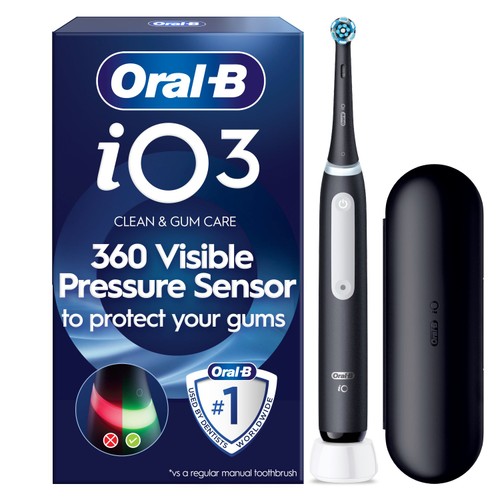
Oral-B iO3 Electric Toothbrush + Travel Case
Oral-B
- • Round oscillating-rotating head with micro-vibrations
- • Smart pressure sensor (too hard and too soft)
Honest caveat: The Cochrane benefit applies to the brush type, not this exact model, and the size of the gain is modest. iO heads cost more than standard Oral-B heads and are not cross-compatible with older Oral-B handles.
ocado.com · Amazon
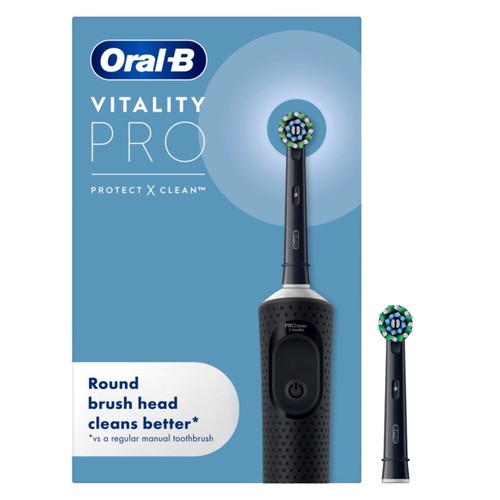
Oral-B Vitality Pro Electric Toothbrush
Oral-B
- • Oscillating-rotating round head
- • In-handle 2-minute timer
Honest caveat: There is no pressure sensor, so it will not warn you if you scrub too hard, and the battery and motor are basic compared with the iO range.
ocado.com · Amazon
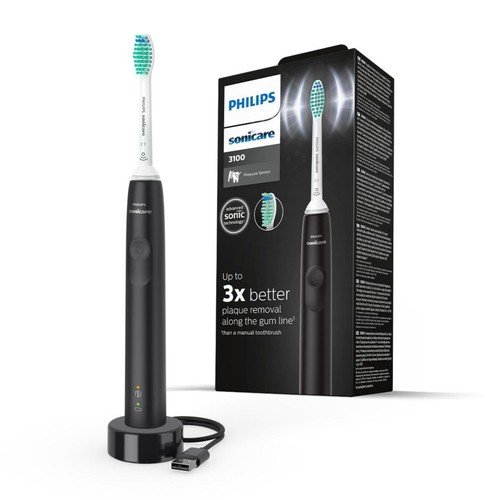
Philips Sonicare 3100 Series Electric Toothbrush
Philips
- • Sonic side-to-side motion
- • Pressure sensor
Honest caveat: Cochrane found powered brushes as a group beat manual ones, but most of the evidence is for oscillating-rotating brushes; sonic brushes are well liked by dentists yet less studied head to head. Battery life is shorter than some rivals.
Amazon · ocado.com


SURI Core 1.0 Sonic Toothbrush
SURI
- • Haptic pressure sensor
- • Up to 28 days battery (brand)
Honest caveat: The ’100% more plaque removed’ claim comes from a one-day brand-commissioned study against a manual brush, not a long-term gum-health trial. Replacement heads cost more than many supermarket heads.
Amazon · trysuri.com
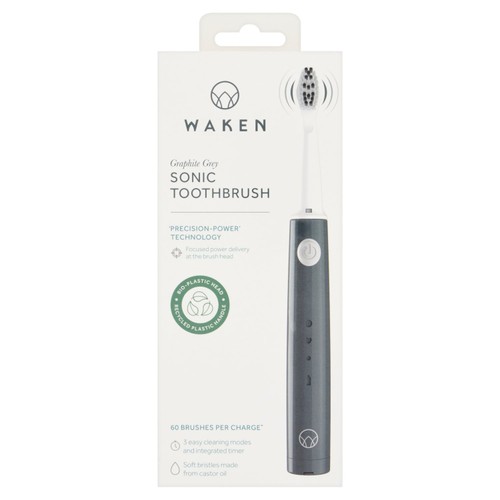
Waken Rechargeable Sonic Toothbrush
Waken
- • Recycled-plastic handle
- • Bio-plastic head, castor-oil bristles
Honest caveat: No pressure sensor, and its plaque claims are against a manual brush with no independent trial of this model that we could find. Recycled and bio-based plastic is still plastic.
Amazon · ocado.com
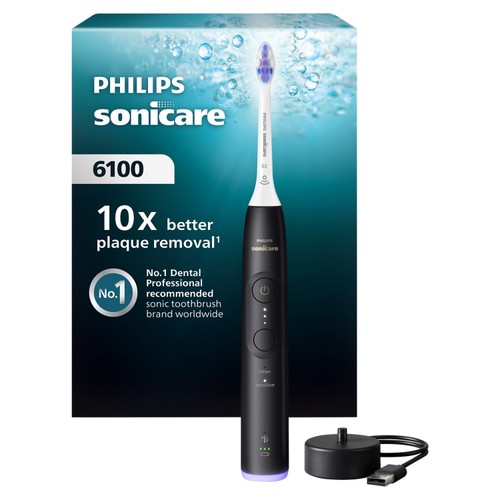
Philips Sonicare 6100 Series Electric Toothbrush
Philips
- • 3 modes x 3 intensities
- • Visible pressure sensor
Honest caveat: The listed price is close to full retail; this brush is often sold for far less, so compare before buying. No evidence shows extra modes improve gum health over a basic powered brush used well.
Amazon · ocado.com
We may earn a commission if you buy through our links. How we choose ›
How strong is the research? What our grades mean ›
- Strong research
- Independent certification or lab data for the specific claim.
- Promising research
- The material is well supported, but there is no product-level testing.
- Early research
- Little independent research.
- Mixed research
- Research findings disagree.
- £
- Under £20
- ££
- £20 to £79
- £££
- £80+
What is the best electric toothbrush in the UK?
For most people, the best electric toothbrush is a rechargeable model with a 2-minute timer and a pressure sensor, used twice a day with fluoride toothpaste. Our top pick is the Oral-B iO3, because it uses the oscillating-rotating round head that has the most trial evidence behind it and adds a sensor that warns when you press too hard. If you are on a budget, the Oral-B Vitality Pro gives you the same brushing motion for about £25.
You do not need an expensive brush. The NHS says it doesn't matter whether you use an electric or manual toothbrush as long as you clean every surface, but adds that some people find it easier to clean thoroughly with an electric one. That is the real case for switching: it makes good brushing easier.
Our picks at a glance
| Product | Best for | Material/key feature | Price | Evidence grade |
|---|---|---|---|---|
| Oral-B iO3 Electric Toothbrush + Travel Case | Best overall | Oscillating-rotating, smart pressure sensor | £65.00 | Strong |
| Oral-B Vitality Pro Electric Toothbrush | Best budget | Oscillating-rotating, timer, no sensor | £25.00 | Strong |
| Philips Sonicare 3100 Series Electric Toothbrush | Best sonic | Sonic, pressure sensor, quadrant timer | £63.00 | Promising |
| SURI Core 1.0 Sonic Toothbrush | Best lower-waste | Plant-based heads, 28-day battery | £65.00 | Promising |
| Waken Rechargeable Sonic Toothbrush | Best under £20 | Recycled-plastic handle, bio-plastic head | £19.50 | Early |
| Philips Sonicare 6100 Series Electric Toothbrush | Best for sensitive gums | 3 modes x 3 intensities, S2 Sensitive head | £230.00 | Promising |
Evidence grades here describe how well the type of brush is supported by independent research, not lab testing of each model.
Do electric toothbrushes really clean better than manual ones?
Yes, modestly. The largest independent review, a Cochrane systematic review pooling dozens of trials, found powered toothbrushes reduced plaque by about 11% after one to three months and 21% after three months or more, and reduced gum inflammation (gingivitis) by 6% and 11% respectively, compared with manual brushing. The authors called the evidence moderate quality and said the clinical importance of the difference "remains unclear".
The same review found the biggest body of evidence was for rotation oscillation brushes (the small round heads made famous by Oral-B), which showed benefits at both time points. A separate Cochrane review comparing brush types could not say that any one mode was clearly better than the others. In plain terms: oscillating-rotating brushes have the most proof, sonic brushes are well liked and reasonable, and either beats a manual brush used carelessly.
Why does gum health matter for living longer?
Gum disease (periodontitis) is common in UK adults and is the main reason for tooth loss later in life. It is also associated with heart and blood vessel disease. A 2023 meta-analysis of 39 cohort studies covering over four million people found gum disease was linked to a 24% higher risk of major cardiovascular events and a 31% higher risk of death from any cause. The European Federation of Periodontology and World Heart Federation consensus and an American Heart Association statement both accept the association but stop short of saying gum disease directly leads to heart disease, because smoking, diabetes and income affect both.
Two points keep this honest. First, a Cochrane review found no reliable trial evidence yet that treating gum disease lowers heart attacks or strokes. Second, observational data are encouraging but not proof: a Korean study of more than 160,000 adults found brushing three or more times a day was associated with lower rates of atrial fibrillation and heart failure over 10 years. Looking after your gums is worthwhile for your teeth alone; any heart benefit is a possible bonus, not a promise.
How we chose
We started with the brush types supported by Cochrane evidence, then looked for features that help you brush well: a 2-minute timer, a pressure sensor (brushing too hard is linked to gum recession), sensible running costs and a UK buy link we could verify. We checked every price on a live UK page (Ocado or the brand's own UK store) in October 2026 and spread picks across four brands and budget to premium. We did not accept brand plaque claims ("removes up to 10x more plaque") as evidence, because they come from brand-run studies.
The best electric toothbrushes, reviewed
Oral-B iO3: best overall
The iO3 combines Oral-B's round oscillating head with gentle micro-vibrations and a smart pressure sensor that lights up if you press too hard or too softly. It is the type of brush with the deepest trial record, at a mid-range price. Caveat: iO heads only fit iO handles and cost more than standard Oral-B heads, so check refill prices before you commit.
Oral-B Vitality Pro: best budget
For about £25 you get the same oscillating-rotating action, a 2-minute timer and a gentler Sensitive+ mode. It is the easiest upgrade from a manual brush. Caveat: there is no pressure sensor, so heavy-handed brushers should consider the iO3 instead.
Philips Sonicare 3100: best sonic brush
Sonic brushes use fast side-to-side vibration and feel smoother and quieter. The 3100 adds a pressure sensor, 30-second quadrant prompts and head-replacement reminders, with up to two weeks of battery. Caveat: sonic brushes have less head-to-head trial data than oscillating ones, though Cochrane found no clear winner between modes.
SURI Core 1.0: best lower-waste pick
SURI's heads are made from cornstarch and castor oil and can be posted back for recycling, and the handle runs for up to 28 days per charge, with a haptic pressure sensor. Caveat: its "100% more plaque removed" claim is from a one-day study the brand commissioned, not a long-term trial.
Waken Rechargeable Sonic: best under £20
A UK brand with a recycled-plastic handle, bio-plastic heads, three modes and a 2-minute timer for £19.50. Caveat: no pressure sensor and no independent trial of this model that we could find.
Philips Sonicare 6100: best for sensitive gums
Three modes and three intensity levels let you turn the power down if your gums are tender, and a visible light warns about pressure. Caveat: the listed price is close to full retail and it is often heavily discounted; no evidence shows extra modes improve gum health on their own.
What should you look for in an electric toothbrush?
- A 2-minute timer. Most people brush for far less than two minutes.
- A pressure sensor. Useful if you scrub; the NHS recommends medium or soft bristles and a gentle technique.
- Running costs. Heads should be replaced about every three months. Budget the heads, not just the handle.
- Battery and charging. USB charging and two-plus weeks of battery matter for travel.
- Skip the extras you will not use. Apps, many modes and whitening settings add cost without proven health benefit.
What does the evidence say about brushing technique?
The UK's Delivering Better Oral Health toolkit says effective twice-daily brushing plus cleaning between the teeth from age 18 are the main self-care skills for healthy gums, with professional care as backup. Brush last thing at night and one other time, spit out toothpaste but do not rinse, and use a fluoride toothpaste of 1,350 to 1,500ppm. An electric toothbrush helps with the first part; for between your teeth, see our water flosser guide. Bleeding gums are a common early sign of gum disease, and the NHS advises seeing a dentist if they persist.
Bottom line
An electric toothbrush is one of the simplest health upgrades you can make, but the gain over careful manual brushing is modest. Pick an oscillating-rotating brush with a pressure sensor (the Oral-B iO3) if you want the best-evidenced option, the Vitality Pro if budget matters, or a sonic brush such as the Sonicare 3100 or SURI if you prefer the feel. Then pair it with fluoride toothpaste, cleaning between your teeth and regular dental checks.
Frequently asked questions
Is Oral-B or Philips Sonicare better?
+
Both are good. Oscillating-rotating brushes such as Oral-B have the most trial evidence in the Cochrane review of powered brushing, and showed benefits for plaque and gum inflammation. A separate Cochrane review could not show any brush mode was clearly superior. Choose the feel you prefer: Oral-B's round head feels buzzier, Sonicare's sonic action is smoother and quieter.
Does the NHS recommend electric toothbrushes?
+
The NHS says it does not matter whether you use an electric or manual toothbrush as long as you clean all surfaces of all your teeth and use fluoride toothpaste. It adds that some people find it easier to clean thoroughly with an electric toothbrush, which is why many dentists suggest one.
Can gum disease affect your heart?
+
Gum disease is associated with higher rates of heart and blood vessel disease and death in large studies, but an association is not proof of cause. Smoking and diabetes affect both. A Cochrane review found no reliable trials yet showing that treating gum disease lowers heart attacks or strokes, so treat gum care as good for your mouth first.
How often should I replace an electric toothbrush head?
+
About every three months, or sooner if the bristles splay. Worn bristles clean less well. Many brushes, such as Sonicare models with BrushSync, remind you automatically. Factor head costs into your choice: brand heads for premium models can cost more each year than a budget handle.
Do I need a pressure sensor?
+
It helps if you tend to scrub hard, which can wear enamel and push back gums over time. A sensor warns you to ease off. If you already brush gently, a budget brush without one, such as the Oral-B Vitality Pro, is fine. The NHS recommends medium or soft bristles for most people.
Are cheap electric toothbrushes any good?
+
A basic rechargeable brush with a 2-minute timer gives most of the benefit found in trials, which compared powered brushes as a group with manual ones. Expensive models add apps, modes and better batteries, but there is no good evidence these extras improve gum health on their own.
Last updated