Personal Care
Best Natural Deodorant UK (2026): Bicarb-Free and Fragrance-Free Picks
Quick answer
The best natural deodorant is one your skin tolerates. Baking soda and fragrance are the usual irritants, so start with a bicarb-free formula such as Neal's Yard Rose & Geranium Roll-On (£12.50) or Urtekram Cream (£4.95), or a fragrance-free one such as nuud. Natural deodorants control smell but do not stop sweat.
Our picks
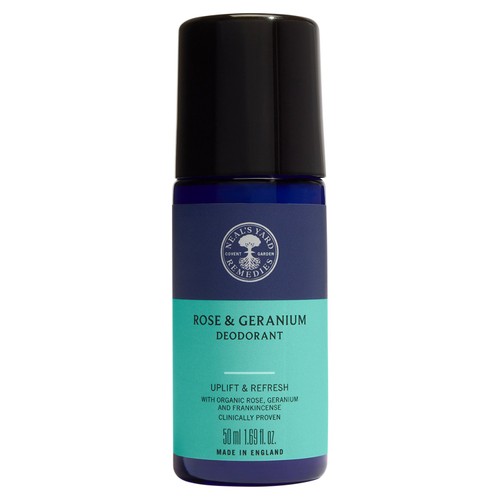
Neal’s Yard Remedies Rose & Geranium Organic Roll-On Deodorant
Neal's Yard Remedies
- • No sodium bicarbonate
- • No aluminium salts or alum
Honest caveat: It is a deodorant, not an antiperspirant, so you will still sweat. It contains essential oils such as grapefruit peel, which can carry fragrance allergens.
ocado.com
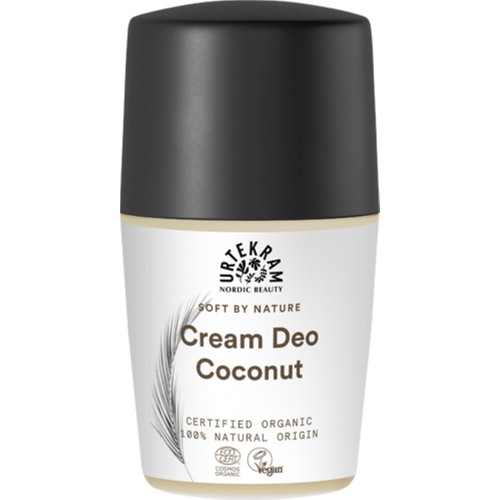
Urtekram Organic Cream Deodorant
Urtekram
- • No baking soda, no aluminium
- • Zinc ricinoleate and triethyl citrate
Honest caveat: Zinc ricinoleate is usually well tolerated but has been reported as a rare cause of allergic rash in a ’natural’ deodorant. It contains orange peel oil, and cream deodorants are applied with fingers.
ocado.com
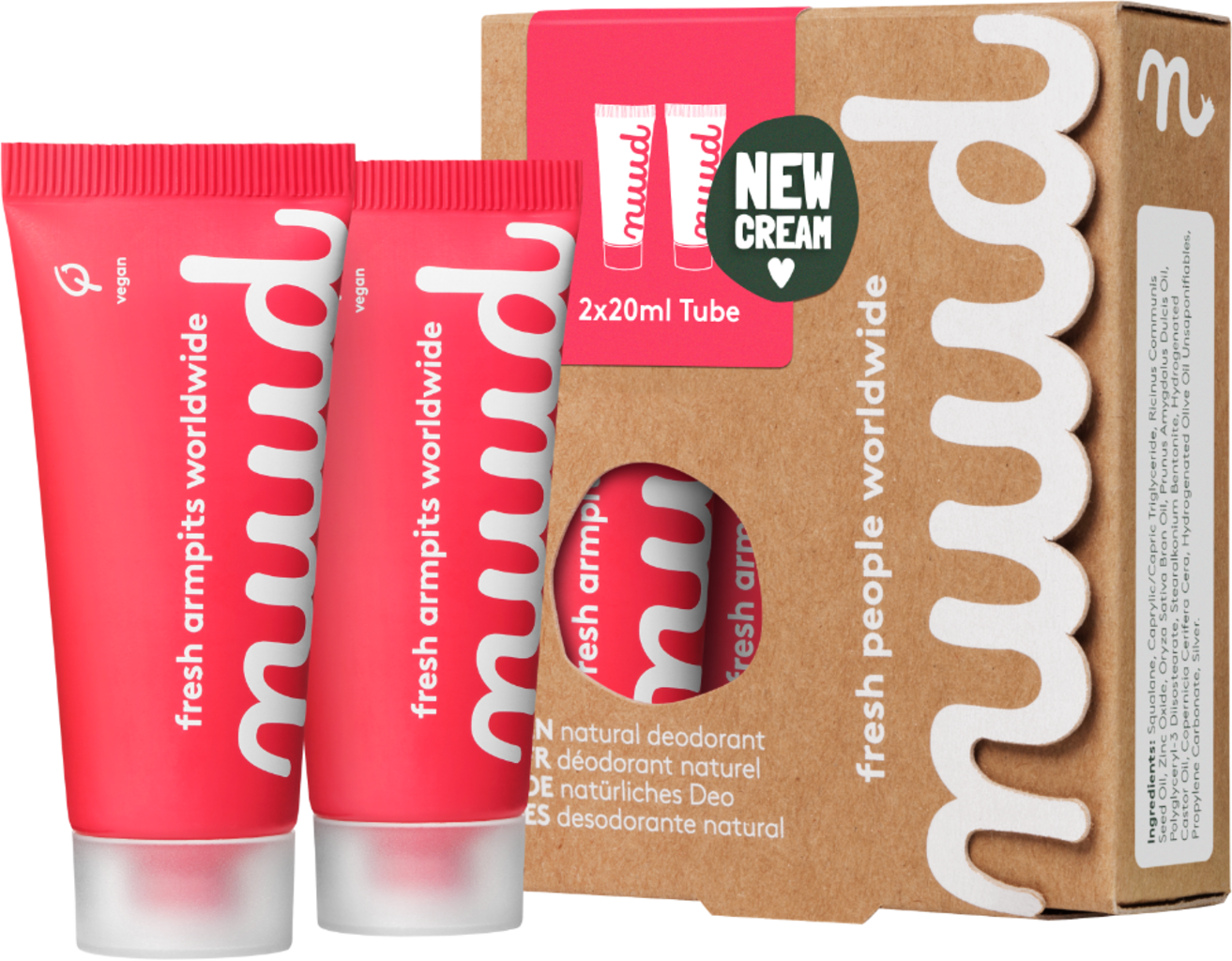
nuud Smarter Pack Deodorant Cream
nuud
- • Fragrance-free
- • No baking soda or aluminium
Honest caveat: It costs more upfront than most deodorants (two 20ml tubes), it is a cream you rub in with fingers, and it contains silver, which some people prefer to avoid.
nuud


AKT London The Deodorant Balm SC.00 No Notes
AKT London
- • Fragrance-free version of AKT balm
- • Arrowroot, magnesium oxide, diatomaceous earth
Honest caveat: It contains sodium bicarbonate, which some people find irritating on underarm skin, and it costs more than most stick deodorants.
aktlondon.com
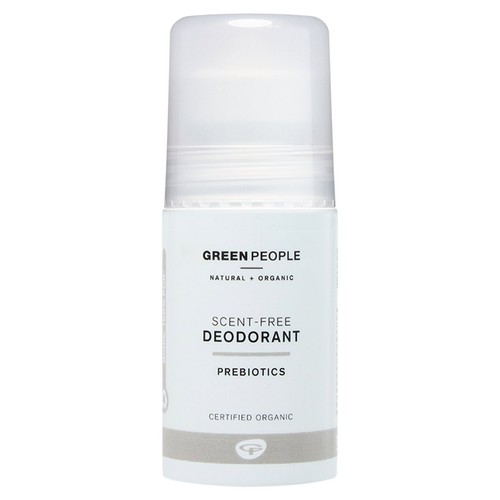
Green People Organic Roll-On Deodorant Unscented
Green People
- • Unscented
- • No baking soda
Honest caveat: Potassium alum is an aluminium salt. It works differently from antiperspirant salts and is mainly an odour fighter, but it is not ’aluminium-free’ in the strict sense. See our aluminium deodorant evidence guide.
ocado.com
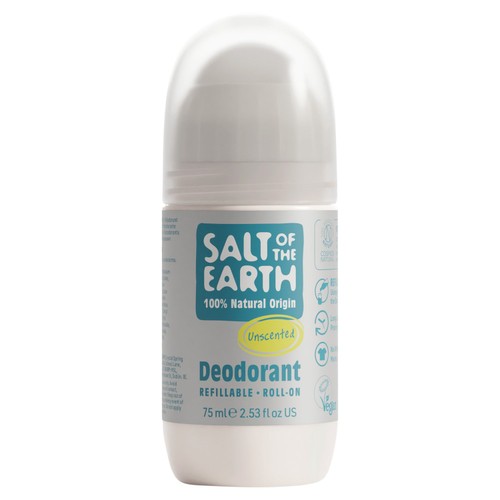
Salt of the Earth Unscented Refillable Roll-On Deodorant
Salt of the Earth
- • Unscented
- • COSMOS Natural certified
Honest caveat: The active is potassium alum, an aluminium salt. Mineral deodorants tend to fade faster than balms on very active days.
ocado.com
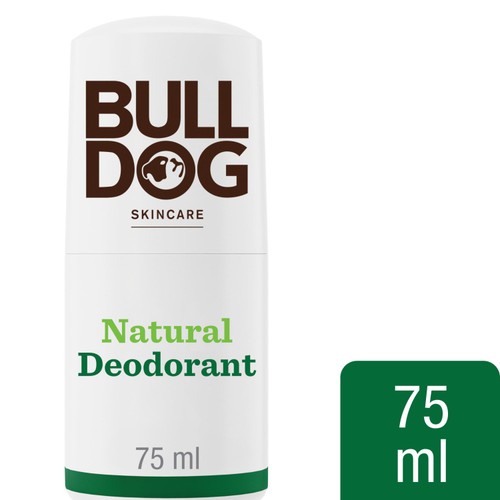
Bulldog Original Natural Deodorant Roll-On
Bulldog
- • No aluminium antiperspirant
- • Natural fragrance (lemon, geranium, patchouli)
Honest caveat: It is scented with a natural fragrance blend (lemon, geranium, patchouli), which can still contain allergens, and the full ingredient list was not shown on the retailer page we checked, so read the pack.
ocado.com
We may earn a commission if you buy through our links. How we choose ›
How strong is the research? What our grades mean ›
- Strong research
- Independent certification or lab data for the specific claim.
- Promising research
- The material is well supported, but there is no product-level testing.
- Early research
- Little independent research.
- Mixed research
- Research findings disagree.
- £
- Under £20
- ££
- £20 to £79
- £££
- £80+
What is the best natural deodorant in the UK?
The best natural deodorant is the one your underarm skin tolerates, and for most people who struggle with "natural" deodorants the problem is baking soda or fragrance, not the brand. Our top pick is Neal's Yard Remedies Rose & Geranium Organic Roll-On, which skips both baking soda and alum. If you also want no fragrance, choose nuud (premium) or Green People Unscented (contains alum). The cheapest good option is Urtekram Organic Cream Deodorant at £4.95.
This guide is about choosing a natural deodorant that works for your skin. If your question is whether aluminium in antiperspirants is a health risk, read our separate aluminium-free deodorant evidence guide, which covers the breast cancer and Alzheimer's research in detail.
Our picks at a glance
| Product | Best for | Material/key feature | Price | Evidence grade |
|---|---|---|---|---|
| Neal's Yard Remedies Rose & Geranium Organic Roll-On Deodorant | Best overall (bicarb-free) | Triethyl citrate, bamboo powder, no alum | £12.50 | Promising |
| Urtekram Organic Cream Deodorant | Best budget bicarb-free | Zinc ricinoleate cream | £4.95 | Promising |
| nuud Smarter Pack Deodorant Cream | Best for very sensitive skin | Zinc oxide, no fragrance, no bicarb | £24.50 | Promising |
| AKT London The Deodorant Balm SC.00 No Notes | Best for heavy sweaters | Fragrance-free balm (contains bicarb) | £21.00 | Promising |
| Green People Organic Roll-On Deodorant Unscented | Best unscented roll-on | Potassium alum, zinc ricinoleate | £14.00 | Promising |
| Salt of the Earth Unscented Refillable Roll-On Deodorant | Best refillable | COSMOS Natural, potassium alum | £6.50 | Promising |
| Bulldog Original Natural Deodorant Roll-On | Cheapest roll-on | Aluminium-free, natural fragrance | £3.00 | Early |
Evidence grades here reflect how well each product's approach (ingredients that avoid known underarm irritants) is supported, not proof that it stops odour for longer.
What actually makes underarms smell?
Sweat itself is almost odourless. Smell comes from skin bacteria, especially Corynebacterium and Staphylococcus species, breaking down compounds in sweat from the apocrine glands in the armpit, according to a review of the microbiology of underarm odour. So there are three ways to tackle it:
- Reduce sweat: only aluminium-based antiperspirants do this. Natural deodorants do not.
- Slow or neutralise odour-causing bacteria and enzymes: triethyl citrate, zinc compounds and alum work here.
- Absorb moisture and mask smell: arrowroot, bamboo powder, clays and fragrance.
The NHS body odour page suggests daily washing, clean clothes and using deodorant or antiperspirant, and seeing a GP if sweating or smell changes suddenly.
Why do some natural deodorants cause a rash?
The two most common culprits are fragrance and baking soda.
- Fragrance, including essential oils, is one of the most frequent triggers of allergic underarm rashes. A 2024 dermatology review of axillary contact dermatitis names deodorants and antiperspirants among the main sources and fragrance as a common cause. "Natural" fragrance is not gentler: essential oils contain the same regulated allergens such as linalool and limonene.
- Baking soda (sodium bicarbonate) is alkaline. Healthy skin is slightly acidic, on average below pH 5, and many people find high-bicarb sticks sting or darken the skin after a few weeks. That is why so many brands now sell "bicarb-free" or "sensitive" versions.
- Other ingredients can occasionally react too. Even zinc ricinoleate, used in many gentle formulas, has been reported in a case of allergic contact dermatitis, though this is rare.
If you get an itchy red rash, stop the product and see the NHS advice on contact dermatitis. A GP can refer you for patch testing to find the exact trigger.
How we chose
We read every ingredient list we could find and grouped picks by the two biggest irritants: products without baking soda, and products without fragrance. We favoured brands sold in UK supermarkets or direct from UK sites, spread picks from £3 to £24.50 across seven brands, and checked prices on live UK pages (Ocado, AKT London and Ecco Verde) in October 2026. We note where products use potassium alum, a mineral aluminium salt, so you can decide for yourself.
The best natural deodorants, reviewed
Neal's Yard Remedies Rose & Geranium Roll-On: best overall
No baking soda and no alum: it relies on triethyl citrate, which slows the bacterial enzymes behind odour, plus bamboo powder to absorb moisture, in a glass roll-on. A good first switch if bicarb sticks have irritated you. Caveat: it contains essential oils, so it is not for fragrance-allergic skin, and like all deodorants it will not stop sweat.
Urtekram Organic Cream Deodorant: best budget bicarb-free
Under £5 for a cream with no baking soda and no aluminium, using zinc ricinoleate and triethyl citrate in a shea and almond oil base. Caveat: it contains orange peel oil, and you apply it with your fingers.
nuud Smarter Pack: best for very sensitive skin
Our pick for skin that reacts to everything: seven ingredients, no fragrance, no baking soda, no aluminium, using zinc oxide and micro silver. Caveat: it costs £24.50 upfront and contains silver, which some prefer to avoid.
AKT London SC.00 No Notes: best for heavy sweaters
The fragrance-free SC.00 balm absorbs moisture with arrowroot, magnesium oxide and diatomaceous earth, and a tube lasts six to eight weeks, says AKT. Caveat: it contains sodium bicarbonate, so it is not for bicarb-sensitive skin.
Green People Unscented Roll-On: best unscented roll-on
Fragrance-free and bicarb-free, with organic plant oils, zinc ricinoleate and potassium alum. Caveat: potassium alum is an aluminium salt; it mainly fights odour rather than blocking sweat, but it is not aluminium-free in the strict sense.
Salt of the Earth Unscented Refillable Roll-On: best refillable
COSMOS Natural certified, unscented and refillable, for £6.50 in many supermarkets. Caveat: also based on potassium alum, and mineral deodorants can fade on very active days.
Bulldog Original Natural Roll-On: cheapest roll-on
At £3 it is an easy supermarket swap with no aluminium antiperspirant. Caveat: it is scented, and the full ingredient list was not on the retailer page we checked, so read the pack.
How do you switch to natural deodorant?
- Expect to sweat. Natural deodorants are not antiperspirants. Wetness is normal; smell should be controlled.
- Give it two to three weeks. Many people notice stronger smell at first. There is little research on a "detox phase"; the simpler explanation is that you are no longer blocking sweat, so you notice it more.
- Apply to clean, dry skin, and reapply after exercise.
- Patch test a new product on your inner arm for a few days if you have reactive skin.
- Do not apply straight after shaving if the product contains bicarb or essential oils.
Bottom line
Choose a natural deodorant by what your skin reacts to. If bicarb sticks have stung, start with Neal's Yard or Urtekram. If fragrance is the problem, choose nuud or Green People Unscented. If you sweat heavily and tolerate bicarb, AKT SC.00 is a strong fragrance-free balm. And if you are switching because of health worries about aluminium, our evidence guide explains what the research does and does not show.
Frequently asked questions
Why does natural deodorant give me a rash?
+
Usually because of baking soda (sodium bicarbonate), which is alkaline while healthy skin is slightly acidic, or because of fragrance and essential oils, a common cause of allergic underarm rashes. Try a bicarb-free or fragrance-free formula. If the rash persists, stop using it and ask a GP about patch testing.
Do natural deodorants stop sweating?
+
No. Only antiperspirants containing aluminium salts reduce sweat. Natural deodorants work on smell by slowing odour-forming bacteria and enzymes, absorbing moisture or masking odour. You will still feel some wetness, which is normal. Choose clothing fabrics that breathe if wet patches bother you.
Is potassium alum the same as aluminium?
+
Potassium alum is a naturally occurring aluminium salt used in crystal and mineral deodorants. It works mainly against odour rather than blocking sweat ducts like antiperspirant salts, but it does contain aluminium. If you want to avoid all aluminium compounds, choose a product without alum, such as Neal's Yard, Urtekram or nuud.
Is there a detox period when switching to natural deodorant?
+
There is no good research showing your armpits detox. Many people do notice more smell or sweat for a couple of weeks, most likely because sweat glands are no longer being blocked and skin bacteria are adjusting. Give a new product two to three weeks before judging it.
What is the best natural deodorant for heavy sweating?
+
For heavy sweaters, balms with absorbent powders, such as AKT London's fragrance-free SC.00, tend to last longest, provided your skin tolerates bicarb. If sweating is excessive or affects daily life, see a GP: hyperhidrosis is a medical condition with effective treatments, including stronger antiperspirants.
Are natural deodorants better for you?
+
Not necessarily. 'Natural' is not a regulated term and natural fragrances can cause allergies. The main reasons to choose one are personal preference, avoiding aluminium antiperspirants, or skin that reacts to conventional products. Our aluminium deodorant evidence guide covers the health research in detail.
Last updated