Personal Care
Best Fluoride-Free Toothpaste UK (2026): What the research Says First
Quick answer
If you choose fluoride-free toothpaste, pick one with hydroxyapatite, such as Dimples (£8.99) or truthpaste (£13.95), which trials suggest may reduce decay. Simple pastes like Kingfisher Fennel contain no anti-decay ingredient. UK guidance still recommends 1,350 to 1,500ppm fluoride toothpaste for everyone, and children should not go fluoride-free without dental advice.
Our picks

Dimples Mint Hydroxyapatite Toothpaste 75ml
Dimples
- • Fluoride-free, micro hydroxyapatite (brand states)
- • Xylitol, stevia, glycolipid surfactant
Honest caveat: Without fluoride you lose a proven anti-decay ingredient, and the hydroxyapatite percentage is not stated, so we cannot match it to the 10% formulas used in trials. The bioplastic tube is from sugar cane but is still plastic.
Amazon · Dimples


truthpaste Hydroxyapatite Peppermint 100ml
truthpaste
- • Hydroxyapatite content stated: 5%
- • Fluoride-free, SLS-free
Honest caveat: 5% is half the 10% used in the main trials, and there is no fluoride. Cinnamon bark and clove oils are known mouth irritants for some people, and the jar-and-spatula format is less hygienic than a tube if shared.
Amazon · truthpaste
Kingfisher Fennel Fluoride-Free Toothpaste 100ml
Kingfisher
- • Fluoride-free, mint-free
- • 9 ingredients, no preservatives
Honest caveat: It contains no anti-decay active, and it uses sodium lauroyl sarcosinate as a foaming agent, which is milder than SLS but still a detergent.
kingfishertoothpaste.co.uk · Amazon
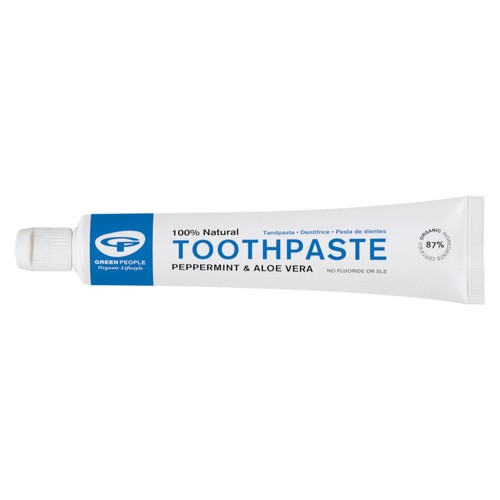
Green People Organic Toothpaste Peppermint & Aloe Vera
Green People
- • Fluoride-free, SLS-free
- • Calcium carbonate cleaner
Honest caveat: It has no active anti-decay ingredient at all (no fluoride, no hydroxyapatite, no xylitol), so it cleans but does not strengthen enamel. Contains the fragrance allergens limonene and linalool from essential oils.
Amazon · ocado.com
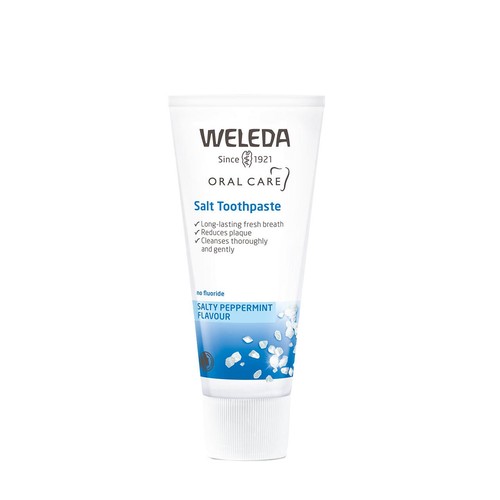
Weleda Salt Toothpaste (fluoride-free)
Weleda
- • Fluoride-free
- • Sodium bicarbonate and silica
Honest caveat: No anti-decay active, and it contains denatured alcohol. Baking soda is only mildly abrasive, but whitening-style pastes are not a substitute for fluoride if you are prone to decay.
ocado.com · Amazon
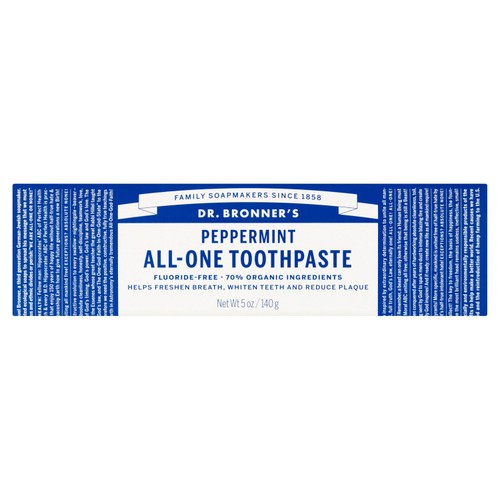
Dr. Bronner’s Peppermint Organic Toothpaste
Dr. Bronner's
- • Fluoride-free
- • Organic glycerin and aloe base
Honest caveat: It has no fluoride or other anti-decay active, and the soap base can taste unusual at first. Strong peppermint and menthol may sting sensitive mouths.
Amazon · ocado.com
We may earn a commission if you buy through our links. How we choose ›
How strong is the research? What our grades mean ›
- Strong research
- Independent certification or lab data for the specific claim.
- Promising research
- The material is well supported, but there is no product-level testing.
- Early research
- Little independent research.
- Mixed research
- Research findings disagree.
- £
- Under £20
- ££
- £20 to £79
- £££
- £80+
What is the best fluoride-free toothpaste in the UK?
If you have decided to go fluoride-free, the best options contain hydroxyapatite, a calcium mineral with growing trial evidence for reducing decay. Our top pick is Dimples Mint Hydroxyapatite Toothpaste, with truthpaste as the most transparent alternative. If you simply want a short, natural-style paste, Kingfisher Fennel, Green People and Weleda Salt are long-standing UK options, but they contain no anti-decay ingredient.
We want to be straight with you first. UK health bodies recommend fluoride toothpaste for everyone, and the evidence for it is strong. A fluoride-free paste is a personal choice that works best for adults with low decay risk, a good diet and regular dental checks. For a deeper look at hydroxyapatite, including options that combine it with fluoride, read our hydroxyapatite toothpaste guide.
Our picks at a glance
| Product | Best for | Material/key feature | Price | Evidence grade |
|---|---|---|---|---|
| Dimples Mint Hydroxyapatite Toothpaste 75ml | Best overall | Micro hydroxyapatite, xylitol, no SLS | £8.99 | Early |
| truthpaste Hydroxyapatite Peppermint 100ml | Best for transparency | 5% hydroxyapatite stated | £13.95 | Early |
| Kingfisher Fennel Fluoride-Free Toothpaste 100ml | Best budget | 9 ingredients, mint-free | £2.85 | Early |
| Green People Organic Toothpaste Peppermint & Aloe Vera | Best organic | Calcium carbonate, aloe, myrrh | £5.75 | Early |
| Weleda Salt Toothpaste (fluoride-free) | Best for surface stains | Baking soda and salt | £4.25 | Early |
| Dr. Bronner's Peppermint Organic Toothpaste | Best strong mint | Coconut soap instead of SLS | £8.70 | Early |
All fluoride-free pastes score "Early" here because none matches the decay evidence for fluoride. Hydroxyapatite pastes are the closest.
What does the evidence say about fluoride toothpaste?
It is one of the best-proven tools in health. A Cochrane review of fluoride toothpastes "supports the benefits of using fluoride toothpaste in preventing caries when compared to non-fluoride toothpaste". UK guidance in Delivering Better Oral Health advises adults and children over three to use a pea-sized amount of 1,350 to 1,500ppm fluoride toothpaste twice a day, spitting out without rinsing. The Oral Health Foundation gives the same advice and explains that fluoride helps repair early enamel damage and makes teeth more resistant to acid.
Why do some people choose fluoride-free?
The most common reasons are a preference for fewer synthetic ingredients, concern about swallowing fluoride, and recent headlines about fluoride and children's brain development. On that last point, a 2025 JAMA Pediatrics meta-analysis of 74 studies found higher fluoride exposure was associated with lower IQ scores in children. Most studies were from places with naturally high fluoride in water, and many were rated at high risk of bias. In the analysis of drinking water, the association was null below 1.5mg/L overall, though it persisted in the smaller set of lower-bias studies. UK water fluoridation schemes target about 1mg/L, and toothpaste is spat out, not drunk.
Our reading: this research is relevant to public water policy and is still debated, but it does not show that brushing with fluoride toothpaste harms adults. The latest Cochrane review of water fluoridation found that modern studies show smaller benefits from fluoridated water than studies from before 1975, a period before fluoride toothpaste was widespread. For most people in the UK, toothpaste is now the main source of fluoride.
Does hydroxyapatite work as well as fluoride?
Possibly, but the evidence is younger. An 18-month randomised trial in 189 adults found a 10% hydroxyapatite toothpaste was not inferior to a fluoride toothpaste for new decay. A 2024 systematic review concluded hydroxyapatite is effective against decay in the absence of fluoride. However, several authors of these studies work for or with a hydroxyapatite toothpaste maker, and there are far fewer trials than for fluoride. That is why we grade it Early rather than Promising.
How we chose
We separated fluoride-free pastes into two groups: those with an evidence-backed active ingredient (hydroxyapatite) and simple pastes with none. We read every ingredient list, avoided pastes with artificial colours and SLS, and checked prices on live UK pages (brand stores and Ocado) in October 2026. We excluded children's fluoride-free pastes, because the NHS advises fluoride toothpaste for children unless a dentist says otherwise.
The best fluoride-free toothpastes, reviewed
Dimples Mint Hydroxyapatite: best overall
Designed by a UK dentist with micro-sized hydroxyapatite, xylitol and a gentle glycolipid foaming agent instead of SLS, in an 11-ingredient formula. The best-balanced fluoride-free option we found. Caveat: the hydroxyapatite percentage is not stated, so we cannot compare it directly with the 10% used in trials.
truthpaste Hydroxyapatite Peppermint: best for transparency
The only fluoride-free paste here that tells you how much hydroxyapatite it contains (5%), in an aloe, glycerin and clay base. Caveat: 5% is half the trial dose, and its clove and cinnamon oils can irritate some mouths.
Kingfisher Fennel Fluoride-Free: best budget
A Norfolk-made paste with nine ingredients, no preservatives or sweeteners, and a mint-free fennel flavour, for £2.85. Kingfisher also sells the same paste with fluoride. Caveat: no anti-decay ingredient.
Green People Peppermint & Aloe Vera: best organic
A short calcium carbonate paste with organic aloe, peppermint and myrrh, and no SLS or artificial sweeteners. Caveat: it cleans but has no active that strengthens enamel.
Weleda Salt Toothpaste: best for surface stains
Baking soda and silica gently lift stains, with sea salt and plant extracts and no foaming detergent. Caveat: no anti-decay active, and it contains denatured alcohol.
Dr. Bronner's Peppermint: best strong mint
Organic glycerin and aloe base with coconut-oil soap instead of SLS, plus silica, calcium carbonate and baking soda. Caveat: no anti-decay ingredient, and the soapy taste takes getting used to.
How do you use a fluoride-free toothpaste well?
- Brush twice a day for two minutes, last thing at night and one other time.
- Spit, don't rinse, so minerals such as hydroxyapatite stay on your teeth longer.
- Cut down how often you have sugary food and drinks, the main driver of decay.
- Clean between your teeth daily, with interdental brushes, floss or a water flosser.
- See your dentist regularly and tell them you use a fluoride-free paste, so they can spot early changes and suggest a fluoride varnish if needed.
Who should not go fluoride-free?
- Children, unless your dentist advises otherwise.
- Anyone with recent fillings, active decay or a high-sugar diet.
- People with dry mouth (from medicines, radiotherapy or age), who are at higher risk of decay.
- Anyone with exposed roots or gum recession.
If you are in any of these groups, a fluoride toothpaste, possibly one that also contains hydroxyapatite, is the better choice. Ask your dentist.
Bottom line
Fluoride toothpaste remains the best-evidenced way to protect teeth, and UK guidance recommends it for everyone. If you still prefer fluoride-free, choose one with hydroxyapatite, such as Dimples or truthpaste, rather than a paste with no active ingredient, keep sugar down, clean between your teeth with a water flosser or interdental brushes, and keep up regular dental checks so any early decay is caught.
Frequently asked questions
Do dentists recommend fluoride-free toothpaste?
+
Generally, no. UK guidance in Delivering Better Oral Health and the Oral Health Foundation recommend fluoride toothpaste for everyone, at 1,350 to 1,500ppm for adults. Some dentists accept hydroxyapatite toothpaste for low-risk adults who want to avoid fluoride, but it has far fewer trials. Ask your dentist about your own decay risk.
Is fluoride in toothpaste harmful?
+
At the levels in toothpaste, used as directed and spat out, there is no good evidence of harm to adults. A 2025 meta-analysis linked high fluoride exposure, mostly from naturally high-fluoride drinking water, to lower IQ in children, but many studies were at high risk of bias. Young children should use only a smear to limit swallowing.
What is the best alternative to fluoride in toothpaste?
+
Hydroxyapatite has the best evidence. An 18-month trial found 10% hydroxyapatite toothpaste was not inferior to fluoride for preventing new decay in adults, and a 2024 review supported its effectiveness. Many studies involve a hydroxyapatite manufacturer, so more independent research is needed. Xylitol and calcium carbonate alone are not equivalent.
Can children use fluoride-free toothpaste?
+
The NHS advises fluoride toothpaste for children: a smear of at least 1,000ppm under three, and a pea-sized amount of 1,350 to 1,500ppm from age three. Only use fluoride-free toothpaste for a child if your dentist recommends it, for example if they have dental fluorosis concerns.
Is fluoride-free toothpaste good for sensitive teeth?
+
Not especially. Sensitivity toothpastes usually rely on potassium nitrate or stannous fluoride, which have good evidence. Some hydroxyapatite pastes may help by sealing tiny tubules in exposed dentine. If teeth are sensitive, see a dentist, as it can signal decay, worn enamel or gum recession.
Does UK tap water contain fluoride?
+
Only some areas, mainly parts of the West Midlands and North East England, have fluoridated water schemes, at around 1mg per litre. Most UK tap water has low natural fluoride. That is one reason fluoride toothpaste is the main source of fluoride for most people in the UK.
Last updated