Personal Care
Is Fluoride Bad for You? Toothpaste, Water Fluoridation and the IQ Studies Explained
How we grade ›Sources checked on Our independence ›
We may earn a commission if you buy through our links. How we choose ›
Quick answer
At the levels used in UK toothpaste and drinking water, current evidence does not show harm, and fluoride toothpaste is the best-evidenced way to prevent tooth decay. The studies linking fluoride to lower IQ in children mostly involve higher exposures than in UK water, and a December 2025 Academy of Medical Sciences review found no evidence of an effect on IQ below 1.2 mg/L. The main known downside is mild, mostly cosmetic marks on teeth (fluorosis) when young children swallow too much.
Evidence grade: moderate. Fluoride toothpaste is backed by strong evidence. How much water fluoridation adds today is less certain, and concerns about IQ come mainly from studies at higher exposures than in UK tap water.
The short answer
Fluoride is a mineral that strengthens tooth enamel. UK guidance recommends fluoride toothpaste for everyone, with smaller amounts for young children (Delivering better oral health, chapter 9). The worries you may have read about fall into three groups: whether water fluoridation still works, whether fluoride affects children's IQ, and fluorosis. Each is covered below.
Toothpaste: the best-evidenced use
UK public health guidance for dental teams recommends (Delivering better oral health):
| Who | Toothpaste fluoride | Amount |
|---|---|---|
| Under 3s | At least 1,000ppm | A smear |
| 3 to 6 years | Family toothpaste | A pea-sized blob |
| Everyone else | 1,350 to 1,500ppm | Brush twice a day, including last thing at night |
| Higher-risk adults (prescription only) | 2,800ppm from age 10, 5,000ppm from age 16 | As prescribed by a dentist |
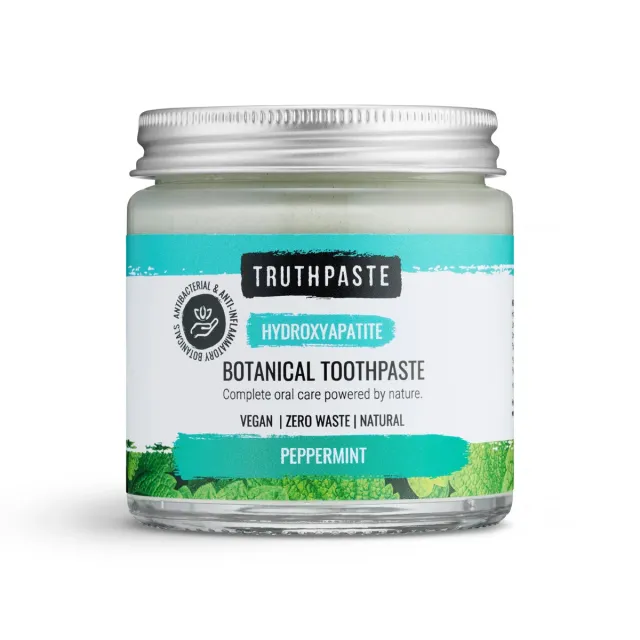
The same guidance says to spit out excess toothpaste and not rinse, and describes too much swallowed fluoride in adults from high-fluoride toothpaste as "very rare". If you prefer to avoid fluoride, our fluoride-free toothpaste guide and hydroxyapatite toothpaste guide explain the trade-offs.
Water fluoridation in the UK
About one in 10 people in England live where fluoride is added to public water, usually to about 1 mg per litre. About 85% of the English population live where the average level is below 0.40 mg/L, and the legal limit is 1.5 mg/L (Water fluoridation health monitoring report for England 2026).
In March 2025 the government decided to expand fluoridation in the north east of England, where over 1 million people already receive fluoridated water, working with Northumbrian Water to put it in place (gov.uk consultation response).
Does water fluoridation still work?
Less than it used to, according to a 2024 Cochrane review. Studies from before 1975, when fluoride toothpaste was rare, found about 2.1 fewer decayed baby teeth per child. Studies since 1975 found about 0.24 fewer, roughly a quarter of a tooth, and the authors say it is possible newer schemes have no benefit (Cochrane Oral Health, October 2024; abstract). All the studies were non-randomised and the certainty was low.
England's own 2026 monitoring report found 5-year-olds in fluoridated areas were less likely to have tooth decay, and children and young people were less likely to be admitted to hospital to have a decayed tooth removed, with the biggest benefits in more deprived areas (OHID 2026).
The IQ studies
- US National Toxicology Program, 2024: concluded with moderate confidence that fluoride exposures above 1.5 mg/L in drinking water are associated with lower IQ in children, and said there was not enough data to judge the effect at 0.7 mg/L (NTP).
- Taylor et al., JAMA Pediatrics, 2025: pooled 74 studies, mostly from China and India, and most at high risk of bias. Higher fluoride was linked to lower IQ, but the link for drinking water below 1.5 mg/L was not statistically significant (Healio summary; PubMed). Editorials disagreed on what it means for countries that fluoridate at lower levels.
- Academy of Medical Sciences, December 2025: in a review commissioned by England's Chief Medical Officer, it found "no evidence of an effect on neurodevelopment or cognition" at levels below 1.2 mg/L (AMS).
- England's 2026 monitoring report: found no evidence of an effect on cognitive test scores in 5 and 7-year-olds (OHID 2026).
In short, the concern is real at higher exposures, which is why limits exist, but the evidence does not show an IQ effect at UK fluoridation levels.
Fluorosis: the known downside
Fluorosis is a change in how tooth enamel forms when children swallow too much fluoride while their teeth are developing. Risk to the front adult teeth applies to swallowing by under 3s, and to back teeth up to age 6, which is why young children use only a smear or pea-sized amount (Delivering better oral health). Older Cochrane data estimated that about 12% of people in areas with 0.7 ppm fluoride had fluorosis of aesthetic concern, with low certainty (Cochrane abstract). The Academy of Medical Sciences describes it at UK levels as "usually mild and cosmetic".
Bones and other health worries
The 2026 monitoring report found "no convincing evidence" of a link between fluoride levels and emergency hip fracture admissions (OHID 2026). Cochrane rated evidence on other effects, such as skeletal fluorosis and fractures, as very low certainty.
What this means for you
- Use fluoride toothpaste at the strength and amount for your age, spit and do not rinse, and supervise children's brushing.
- Do not worry about UK tap water fluoride levels based on the IQ headlines, which mostly reflect higher exposures elsewhere. Your water company can tell you the level in your area.
- If you want to avoid fluoride, talk to your dentist first, especially if you have had recent decay, dry mouth or gum recession.
- For questions about your own or your child's teeth, ask your dentist; for wider health concerns, ask your GP.
Bottom line
Fluoride is not harmful at the levels in UK toothpaste and drinking water on current evidence, and fluoride toothpaste remains the most effective everyday protection against decay. Water fluoridation seems to add less than it once did, and fluoride at high exposures is linked to lower IQ, which is why levels are capped well below those exposures.
Frequently asked questions
Is fluoride bad for you?
+
Not at the levels in UK toothpaste and tap water on current evidence. The main known downside is mild, mostly cosmetic fluorosis if young children swallow too much toothpaste.
Does fluoride lower IQ?
+
Studies link higher exposures, above 1.5 mg/L in water, to lower IQ in children (NTP 2024). A 2025 Academy of Medical Sciences review found no evidence of an effect below 1.2 mg/L.
How much fluoride is in UK tap water?
+
It varies. About 85% of people in England live where the average is below 0.40 mg/L. Fluoridation schemes aim for about 1 mg/L, and the legal limit is 1.5 mg/L (OHID 2026).
Does water fluoridation still work?
+
Less than in the past. A 2024 Cochrane review found about a quarter of a tooth less decay per child in modern studies, with low certainty. England's 2026 monitoring report found less decay in fluoridated areas.
What strength of fluoride toothpaste should I use?
+
At least 1,000ppm as a smear for under 3s, a pea-sized amount for 3 to 6-year-olds, and 1,350 to 1,500ppm for everyone else (Delivering better oral health).
What is dental fluorosis?
+
White marks or streaks on teeth from swallowing too much fluoride while teeth are forming, mainly before age 6. At UK levels it is usually mild and cosmetic.
Should I switch to fluoride-free toothpaste?
+
Talk to your dentist first. Fluoride toothpaste has the strongest evidence for preventing decay. If you do switch, hydroxyapatite toothpaste is the best-studied alternative.
Last updated