Food & Kitchen
How to Store Emergency Water UK
How we grade ›Sources checked on Our independence ›
We may earn a commission if you buy through our links. How we choose ›
Our top pick
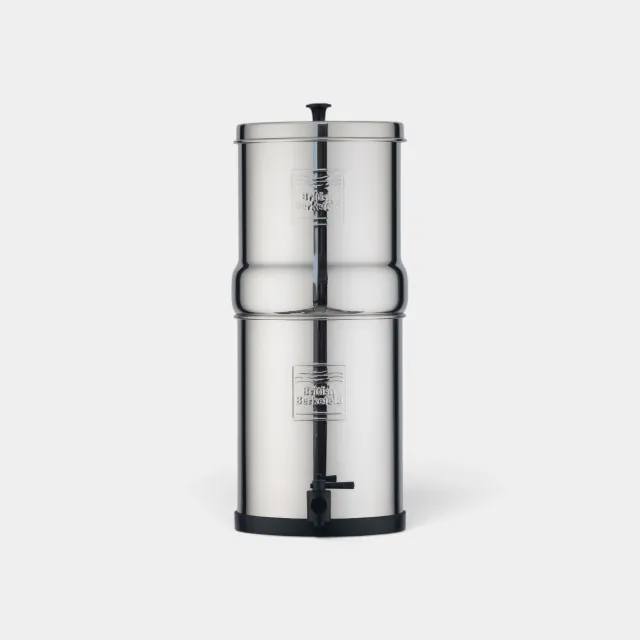
Gravity water filter · £166.95 typical UK price
Best no-power backup filter
Buy now at AmazonBudget: Hilka Pro-Craft 10 Litre Water Container with Tap · £16.99 ›Premium: Klean Kanteen Reflect Bottle 800ml · £30 ›
Quick answer
The UK government's Be Ready advice is to keep bottled water for 3 days, at 3 litres of drinking water per person per day, so 9 litres each, plus extra for cooking and washing. Store sealed bottles somewhere cool and dark, rotate them every six months, and consider a ceramic gravity filter as a no-power backup.
Our picks
British Berkefeld Stainless Steel Gravity System + Ultra Sterasyl
British Berkefeld (Doulton)
- • Stainless steel body, ceramic candles
- • NSF/ANSI 42 and 53 certified for cysts and particulates
Honest caveat: The NSF data sheet covers cysts, particles and cloudiness only. It makes no certified claim for lead, chlorine or PFAS, even though the product page lists PFAS and lead. Treat those as brand claims. It is slow and takes up worktop space.
£166.95 typical UK price
Amazon · Doulton
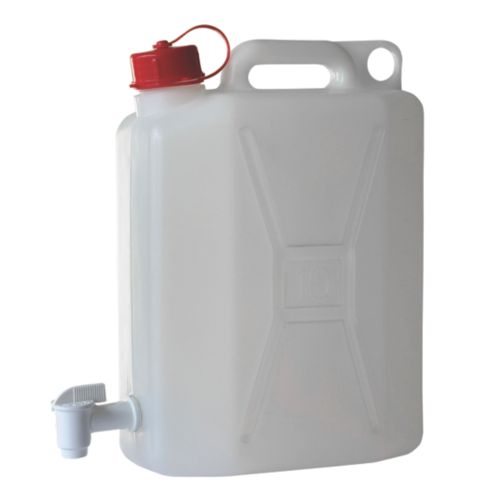
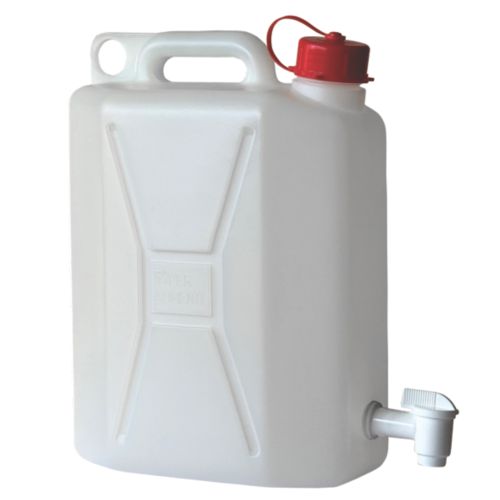
Hilka Pro-Craft 10 Litre Water Container with Tap
Hilka
- • 10 litres: two hold 2 people’s 3-day drinking water
- • HDPE, described as food grade (Screwfix)
Honest caveat: The listing does not say it is approved specifically for drinking water; white plastic lets some light in; 10 litres weighs about 10kg; refill every six months. The food grade wording is Screwfix’s and names no standard, and there is no BPA statement. Screwfix also sells a version without a tap (185PA).
£16.99
Screwfix


Klean Kanteen Wide Bottle 1900ml
Klean Kanteen
- • 1.9 litres
- • Single-wall stainless steel
Honest caveat: At 1.9 litres you need about five for one person’s 3-day drinking water; no product-level migration testing published.
£34.50
Klean Kanteen
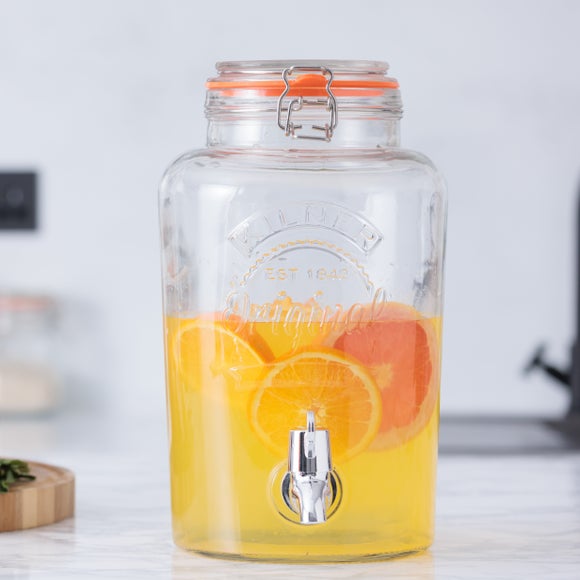
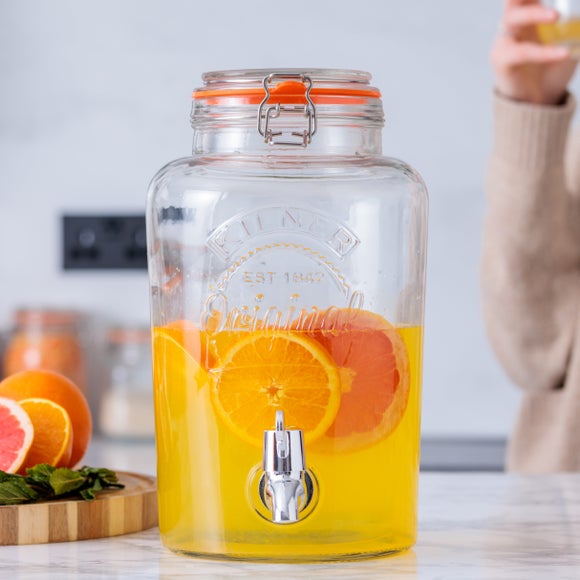
Kilner 8L Drink Dispenser
Kilner
- • 8 litres
- • Glass body
Honest caveat: Glass breaks and lets in light, so keep it low in a dark cupboard; the retailer does not state the tap material; heavy when full.
£30
Dunelm
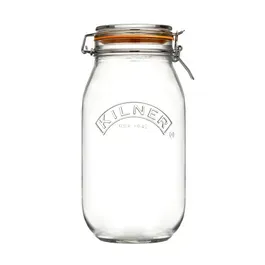

Kilner Clip Top Round Jar 2 Litre
Kilner
- • All-glass body with clip lid
- • 2 litre capacity
Honest caveat: Soda-lime glass is less resistant to sudden temperature changes than borosilicate, and Kilner advises against pouring boiling water directly in. The rubber seal type is not specified.
£9.50
Kilner


British Berkefeld Ultra Sterasyl Replacement Filter
British Berkefeld (Doulton)
- • Fits British Berkefeld gravity systems
- • NSF 42, 53, 372 and 401 (per Doulton)
Honest caveat: Doulton says each element lasts up to six months in regular use; bacteria data is lab testing, not NSF certification; no virus data.
£23.95
Doulton
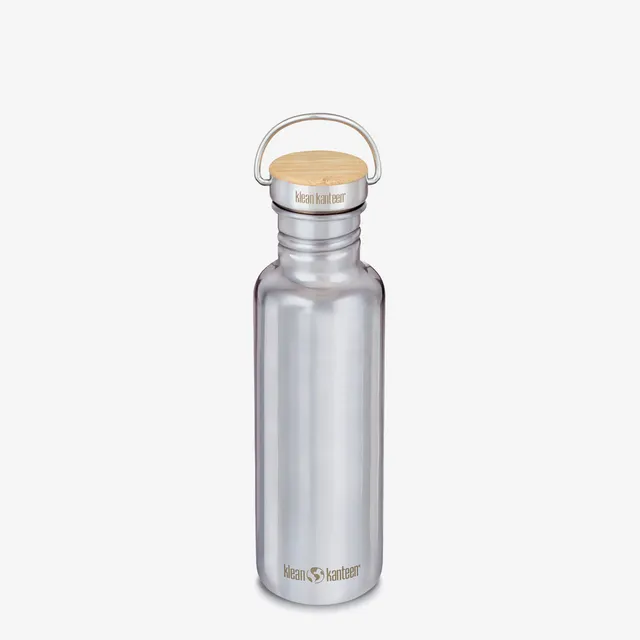
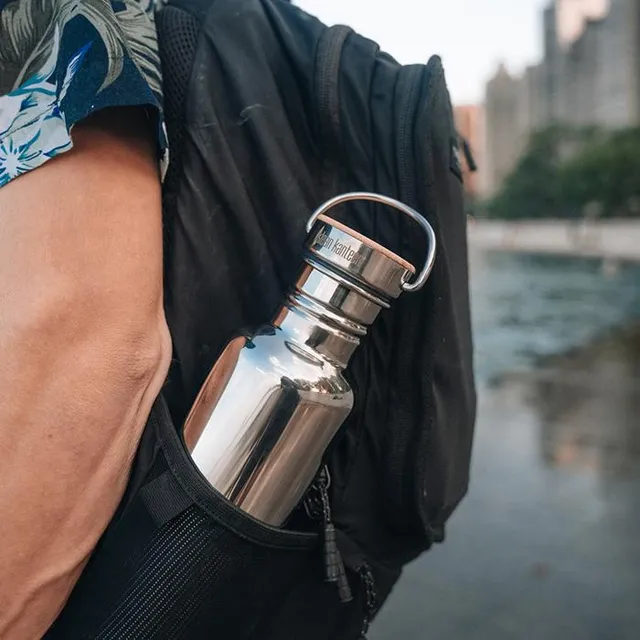
Klean Kanteen Reflect Bottle 800ml
Klean Kanteen
- • Steel, bamboo and silicone only, no plastic
- • Unpainted 18/8 stainless steel
Honest caveat: The silicone gasket in the cap is a polymer, though not a plastic in the usual sense, and the bamboo top needs hand washing and drying to stay in good condition. No independent migration testing is published for this model.
£30
Klean Kanteen · Amazon
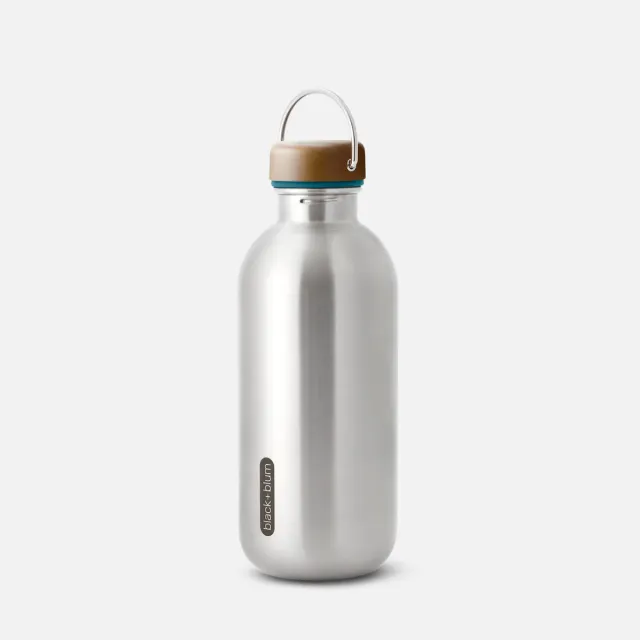
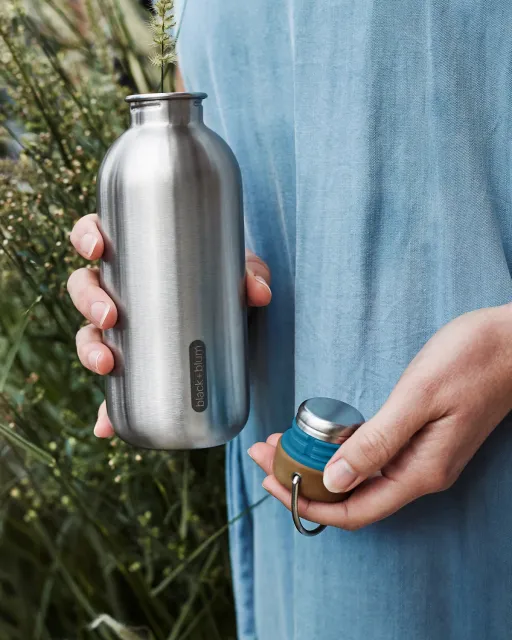
Black+Blum Steel Bottle 600ml
Black+Blum
- • Under £15
- • Brand states full steel liquid contact
Honest caveat: The outer lid is polypropylene (the product image name says PP lid), even though the liquid side is steel. Single-wall steel gets condensation and warms up quickly.
£14.95 typical UK price
Amazon · Black+Blum
We may earn a commission if you buy through our links. How we choose ›
How strong is the research? What our grades mean ›
- Strong research
- Independent certification or lab data for the specific claim.
- Promising research
- The material is well supported, but there is no product-level testing.
- Early research
- Little independent research.
- Mixed research
- Research findings disagree.
- £
- Under £20
- ££
- £20 to £79
- £££
- £80+
What the government actually advises
On 23 October 2026 the government launched its Be Ready campaign, asking every household to be able to cope with 3 days of disruption from things like floods, storms, power cuts or cyber attacks. For water, the checklist is short: keep bottled water for 3 days, allowing 3 litres per person per day for drinking, and it adds that "more would be needed for other tasks such as cooking and washing". It also asks you to check your kit every six months and swap out anything near its date.
You may still see an older 10 litres per person per day figure from the previous government page. The current advice is 3 litres of drinking water, plus extra for everything else and for pets.
If you have medical needs for a constant supply, join your water company's Priority Services Register.
How much water should I store for 3 days?
The official drinking figure is 9 litres per person for 3 days. The second column below adds our own suggested buffer of 2 litres per person per day for basic cooking, brushing teeth and a quick wash, so 5 litres a day in total. This buffer is our estimate, not official guidance.
| People in home | Drinking only (official, 3 days) | With cooking and basic washing (our buffer) | Roughly in 2 litre bottles |
|---|---|---|---|
| 1 | 9 litres | 15 litres | 8 bottles |
| 2 | 18 litres | 30 litres | 15 bottles |
| 3 | 27 litres | 45 litres | 23 bottles |
| 4 | 36 litres | 60 litres | 30 bottles |
| 5 | 45 litres | 75 litres | 38 bottles |
Prices checked
For flushing the toilet, a filled bath or a bucket of rainwater does the job.
What is the easiest way to store emergency water?
Sealed bottled water is the simplest option and is what the government checklist names. Buy multipacks of the still water you already drink, keep them in their outer wrap, check the best-before date and use the oldest first. The CDC says to follow the date printed on shop-bought water.
Refillable containers filled from your tap are the cheaper option. The small amount of chlorine left in tap water fades over time, which is why Water UK advises changing water in an open jug every 24 hours. For a sealed emergency supply, the CDC advises:
- start with a container made for food or drinking water, never one that held bleach, fuel or garden products
- scrub with soap and water, rinse, then sanitise with a weak unscented bleach solution and air-dry
- fill straight from the cold kitchen tap and seal tightly
- store somewhere cool (roughly 10 to 21°C), dark and away from fuel, paint and garden products
- replace stored tap water every six months
Label each container with the date you filled it.
Does water stored in plastic bottles leach anything?
Most UK bottled water comes in PET (polyethylene terephthalate) bottles, made using a little antimony (a metal), and traces can move into the water. Research agrees on two points:
- Heat is the main driver. A study of British and Nigerian bottles found fresh British bottled water was almost always under the EU limit, even at 40 to 60°C for 48 hours; it was exceeded at 80°C, far hotter than a home. A Chinese study of 16 brands found antimony release was low at 4°C and 25°C but rose sharply at 70°C.
- Time adds up slowly. A study of 132 brands found antimony in European bottled water rose over six months at room temperature, and the British study found some bottles over the EU limit after 11 months.
So keep bottles out of sunlight, sheds, car boots and lofts, and rotate them every six months, as the official advice already asks. The effect of heat is well established; long-term health effects at normal levels are Mixed research.
What about BPA? BPA (bisphenol A) is not used to make PET bottles. It is found in polycarbonate, the hard clear plastic used in some large office water-cooler bottles. The Chinese study above measured very low BPA from PET. EFSA cut its tolerable daily intake (the amount considered acceptable each day) for BPA about 20,000-fold in 2023, so if you want a reusable plastic container, choose BPA-free HDPE rather than polycarbonate.
Microplastics? The WHO says, based on limited information, that microplastics in drinking water do not appear to be a health risk at current levels, and that more research is needed. That is Early research, not a reason to panic.
Which container is best: plastic, stainless steel or glass?
| Material | Good for | Watch out for |
|---|---|---|
| Food-grade HDPE (opaque plastic) | Cheap bulk storage, light, will not shatter | Pick containers sold for food or drinking water; keep out of the light |
| Gravity water filterStainless steel | Long-term storage with no plastic contact | Costs more; larger steel water cans are hard to find in the UK |
| Glass | Inert (does not react with water), easy to see if clean | Breaks if dropped, heavy, lets light in |
The CDC says to avoid glass because it can break. That is fair for a supply you might need to move, but for a small part of your stock on a low shelf at home, glass is a reasonable lower-exposure choice. We suggest bottled water or HDPE for bulk, with steel or glass for the water you drink first.
What should I do if my water supply is cut off?
Citizens Advice says that in England, after an emergency such as a burst main, supply should normally be restored within 12 hours. If it lasts longer, the company should provide bottled water or bowsers (street water tanks), and you are usually entitled to compensation (£20 for the first 24 hours).
What does a boil water notice mean?
It means germs are found or suspected in the supply. The Drinking Water Inspectorate (DWI) advises:
- bring water to a rolling boil, let it cool naturally, then store it in a clean container in the fridge and use it within 24 hours
- use boiled water for drinking, brushing teeth, ice, preparing food, cleaning feeding equipment and for pets
- bathing and showering are fine, but keep the water out of your mouth
- washing clothes and flushing the toilet carry on as normal
If you are told not to use tap water at all, use bottled water or your water company's supply, not a filter.
Are gravity water filters worth it as a backup?
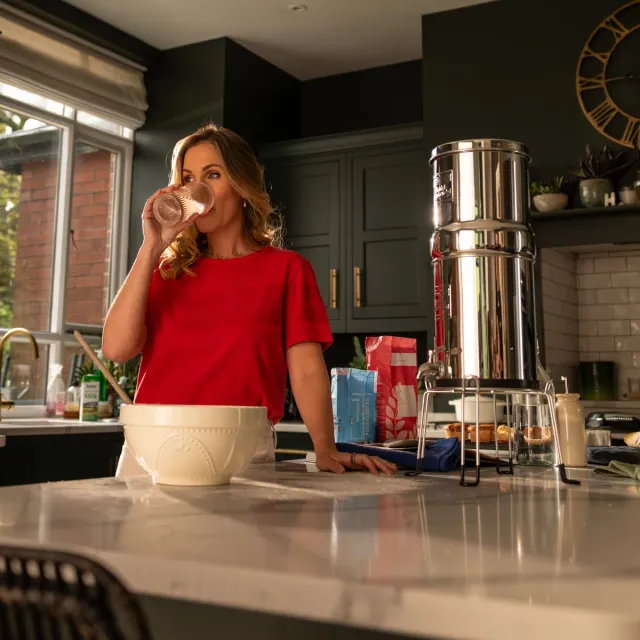
A gravity filter is two stacked containers: water drips through ceramic filter candles from the top into the bottom, and you draw it off through a tap. No mains or electricity is needed. For a 3-day kit it is a useful extra rather than essential.
British Berkefeld is the gravity range made by Doulton in Staffordshire. Its Ultra Sterasyl elements are listed by Doulton as certified by NSF (an independent US standards body) to NSF/ANSI 42 (taste and chlorine), 53 (health-related contaminants such as lead), 372 (low lead materials) and 401 (emerging contaminants). Doulton's test data also reports over 99.99% removal of bacteria such as E. coli and of Cryptosporidium and Giardia cysts, though that bacteria data is lab testing rather than an NSF certification, and no virus data is listed. See what NSF 53 means.
What about Berkey? Berkey's US maker has been in a dispute with the US Environmental Protection Agency, which treated its silver-treated filter elements as pesticides needing registration. A stop-sale order halted manufacturing and, by the company's own account, its legal challenge was dismissed in November 2023 and then appealed. UK stock is patchy, and we could not find a current NSF certification for Black Berkey elements. If you are buying new in the UK, we prefer a filter with a published independent certification.
Our picks at a glance
| Product | Best for | Key feature | Price | Evidence grade |
|---|---|---|---|---|
| Gravity water filterBritish Berkefeld Stainless Steel Gravity System + Ultra Sterasyl | No-power backup filter | NSF 42, 53, 372 and 401 certified elements | £166.95 typical UK price | Strong |
| Water containerHilka Pro-Craft 10 Litre Water Container with Tap | Cheap bulk storage | Food-grade HDPE with tap | £16.99 | Promising |
| Water bottleKlean Kanteen Wide Bottle 1900ml | Plastic-free stored water | Single-wall stainless steel | £34.50 | Promising |
| Drinks dispenserKilner 8L Drink Dispenser | Glass storage at home | 8 litres, glass body, tap | £30 | Promising |
| Food storage containerKilner Clip Top Round Jar 2 Litre | Boiled water in the fridge | Glass, airtight clip seal | £9.50 | Promising |
| Water filter cartridgeBritish Berkefeld Ultra Sterasyl Replacement Filter | Spare filter for your kit | Same certified ceramic element | £23.95 | Strong |
| Water bottleKlean Kanteen Reflect Bottle 800ml | Everyday carry bottle | Steel and bamboo, no plastic | £30 | Promising |
| Water bottleBlack+Blum Steel Bottle 600ml | Budget steel bottle | Full steel liquid contact | £14.95 typical UK price | Promising |
How we chose
We started from the official Be Ready advice, then looked for products that store or treat water with lower plastic exposure. We favoured independent certification over brand claims, food-grade materials and UK availability, and checked every price on a live UK page in October 2026. Doulton is an affiliate partner of ours; that did not change our grading, and we have set out the limits of its test data.
Our picks in detail
British Berkefeld Stainless Steel Gravity System + Ultra Sterasyl
The 6 litre size (for 1 to 2 people) has two ceramic Ultra Sterasyl candles in a stainless steel housing; 8.5 and 12 litre versions suit larger homes. The elements are NSF certified for chlorine, lead and emerging contaminants, and Doulton's lab data covers bacteria and cysts. Caveat: it is slow when the candles are new or clogged, there is no published virus data, and it is a big spend for a 3-day kit if your tap water is normally fine. For everyday filtering, see our water filter guide.
Hilka Pro-Craft 10 Litre Water Container with Tap
A plain 10 litre HDPE container with a removable tap, sold by Screwfix and described as food grade. Two of these hold 20 litres, enough drinking water for two people for three days. Caveat: the listing does not say it is approved for drinking water specifically, the white plastic lets some light in, and 10 litres weighs 10kg.
Klean Kanteen Wide Bottle 1900ml
A large stainless steel bottle with a steel-lined cap, so stored water does not touch plastic. Caveat: at 1.9 litres you would need five for one person's 3-day drinking supply, so it suits the water you drink first, not your whole stock.
Kilner 8L Drink Dispenser
A glass dispenser holding 8 litres, close to one person's 3-day drinking allowance. Glass is inert and easy to clean. Caveat: glass breaks and lets in light, so keep it low down in a dark cupboard, and the retailer does not state what the tap is made of.
Kilner Clip Top Round Jar 2 Litre
A cheap glass jar for following DWI boil notice advice: boil, cool, keep in the fridge and use within 24 hours. Caveat: not for bulk storage, and the rubber seal should be replaced if it cracks.
British Berkefeld Ultra Sterasyl Replacement Filter
The same certified ceramic candle, so a cracked or clogged filter does not leave you stuck. Caveat: Doulton says each element lasts up to six months in regular use, so a spare only helps if you rotate it.
Klean Kanteen Reflect Bottle 800ml
Stainless steel, bamboo and food-grade silicone, with no paint or plastic. Caveat: more expensive than most steel bottles, and it is a drinking bottle, not storage. See our glass and stainless steel bottle guide.
Black+Blum Steel Bottle 600ml
A light, leak-proof steel bottle with full steel liquid contact, good for a grab bag. Caveat: 600ml is small, so you will refill it often.
Your emergency water checklist
- Work out your total: 9 litres of drinking water per person for 3 days, plus extra for cooking and washing
- Buy sealed bottled water or food-grade containers (HDPE, steel or glass)
- Clean and sanitise refillable containers before filling
- Label each container with the fill date
- Store somewhere cool, dark and away from fuel, paint and garden products
- Set a six-month reminder to rotate stored water
- Keep a clean jug or jar for boiled water during a boil notice
- Join your water company's Priority Services Register if you have medical needs
- Save your water company's phone number
For the rest of your kit, see our 3-day emergency kit, healthy emergency food and power cut kit guides.
What to avoid
- Storing bottles in heat or sunlight, such as sheds, lofts, conservatories or car boots, where antimony release rises.
- Reusing old milk, juice or chemical containers. They are hard to clean, and the CDC warns against containers that held bleach or pesticides.
- Using a filter in place of a "do not use" notice. Follow your water company.
- Buying unverified "survival" filters with no published independent testing. Read do you actually need a water filter and our guide to filters for lead and PFAS first.
Bottom line
Follow the official advice: 3 litres of drinking water per person per day for 3 days, plus extra for cooking and washing. Sealed bottled water is simplest; tap-filled HDPE containers are cheapest. For lower exposure, keep everything cool and dark, rotate every six months, and use steel or glass for the water you drink first. A certified ceramic gravity filter is a sensible extra if you want a backup that needs no power.
Frequently asked questions
How much water should I store for an emergency in the UK?
+
The government's Be Ready advice is 3 litres of drinking water per person per day for 3 days, so 9 litres each, or 36 litres for a family of four. You need more for cooking, brushing teeth and washing, so many households aim for around 5 litres per person per day. Remember pets need water too.
How long can you store tap water for emergencies?
+
Sealed in a clean, food-grade container kept somewhere cool and dark, stored tap water should be replaced every six months, according to the CDC. Water left in an open jug is different: Water UK advises changing it at least every 24 hours because the small amount of chlorine that keeps it fresh fades over time.
Is it OK to store bottled water for a long time?
+
Use it by the best-before date and rotate it every six months, using the oldest first. Studies show antimony from PET bottles rises with heat and with long storage, though levels in UK bottles at normal room temperature were almost always under the EU limit. Keep bottles out of sunlight, sheds, lofts and car boots.
Should I store emergency water in glass or plastic?
+
Both work. Food-grade HDPE plastic is light, cheap and will not shatter, so it suits bulk storage. Glass is inert and avoids plastic contact but breaks and lets in light, which is why the CDC advises against it. A sensible mix is plastic or bottled water for bulk, with glass or stainless steel for the water you drink first.
What should I do if there is a boil water notice?
+
The Drinking Water Inspectorate says to bring water to a rolling boil, let it cool, store it in a clean container in the fridge and use it within 24 hours. Use boiled water for drinking, brushing teeth, ice, food and pets. Showering is fine if you keep water out of your mouth. If told not to use tap water at all, use bottled water.
Can I buy a Berkey water filter in the UK?
+
Some UK resellers still list Berkey systems, but supply is patchy. Berkey's US maker has been in a dispute with the US EPA, which treated its silver-treated elements as pesticides, and a stop-sale order halted manufacturing. We could not find a current NSF certification for Black Berkey elements, so we prefer filters with published independent certification, such as British Berkefeld.
Is British Berkefeld the same as Berkey?
+
No. British Berkefeld is a ceramic gravity filter range made by Doulton in Staffordshire. Berkey is a separate US brand that uses a similar stacked design. Doulton lists its Ultra Sterasyl elements as NSF certified to standards 42, 53, 372 and 401, and publishes lab data for bacteria and cysts. No virus data is published.
What happens if my water supply is cut off?
+
Your water company should tell you where to get an alternative supply. In England, Citizens Advice says supply should normally be restored within 12 hours after an emergency such as a burst main. If it takes longer, the company should provide bottled water or bowsers, and you are usually entitled to compensation. Join the Priority Services Register if you have medical needs.
Last updated