Home, Air & Renovation
3-Day Emergency Kit UK: The Government Checklist, Done the Healthy Way
How we grade ›Sources checked on Our independence ›
We may earn a commission if you buy through our links. How we choose ›
Our top pick

Wet wipes · £3.25
Best fragrance-free wipes
Buy now at OcadoBudget: St John Ambulance Heat Retaining Foil Blanket · £1.30 ›Premium: British Berkefeld Stainless Steel Gravity System + Ultra Sterasyl · £166.95 typical UK price ›
Quick answer
The UK government's Be Ready advice (23 October 2026) asks every household to be ready for 3 days without normal services. Store 3 litres of drinking water per person per day, no-cook food you already eat, a torch, an FM radio, a power bank, cash, document copies, a first aid kit, medicines, warm layers and hygiene products.
Our picks

WaterWipes Baby Wipes Sensitive Newborn Plastic Free Wipes (60)
WaterWipes
- • No added fragrance
- • Plastic-free wipe material
Honest caveat: Benzalkonium chloride is a preservative some people with very sensitive skin react to. Opened packs dry out within weeks, so keep a sealed pack in the kit and add an unscented alcohol hand gel.
£3.25
Ocado


OXO Stainless Steel Can Opener
OXO
- • Stainless steel blades
- • Lifetime guarantee (John Lewis listing)
Honest caveat: We have not seen independent test scores for this exact model (Which? results are behind a login). A cheaper option is the OXO Good Grips Locking Can Opener at £14.99 from Lakeland.
£20
John Lewis


Snugpak Grab A4 Document Holder
Snugpak
- • A4 size
- • Waterproof 600D polyester PVC cover (maker’s claim)
Honest caveat: The cover is PVC-coated polyester, not our preferred material, and the waterproof claim is the maker’s own with no independent rating. A zip-lock freezer bag inside any folder is a cheap alternative.
£22.95
Militarykit

St John Ambulance Heat Retaining Foil Blanket
St John Ambulance
- • 204 x 140 cm
- • Reflects body heat (maker states over 90%)
Honest caveat: Single use, noisy and easily torn. It is a stopgap for a grab bag, not a replacement for the blankets and warm clothing on the official checklist.
£1.30
Sja
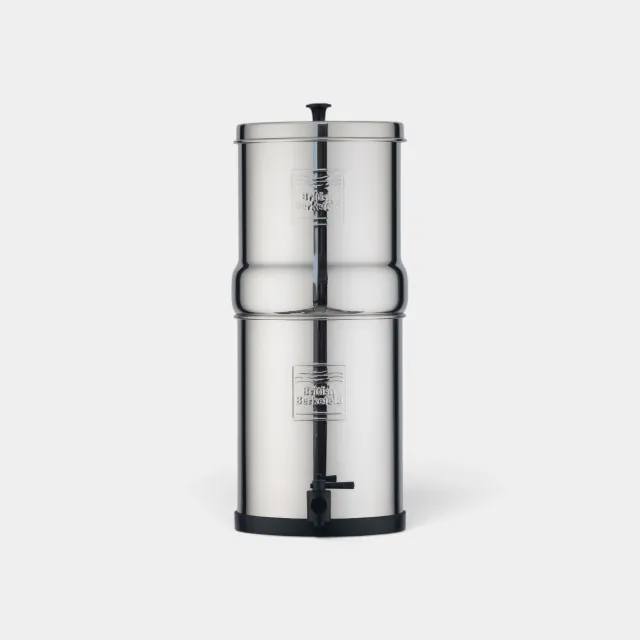
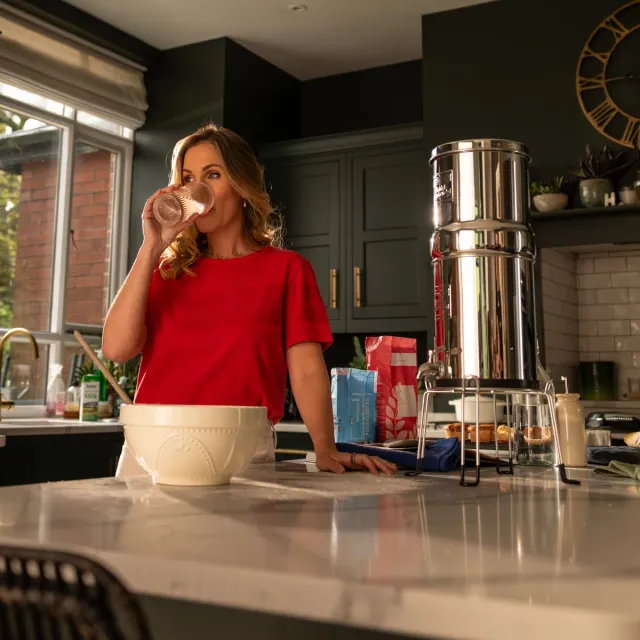
British Berkefeld Stainless Steel Gravity System + Ultra Sterasyl
British Berkefeld (Doulton)
- • Stainless steel body, ceramic candles
- • NSF/ANSI 42 and 53 certified for cysts and particulates
Honest caveat: The NSF data sheet covers cysts, particles and cloudiness only. It makes no certified claim for lead, chlorine or PFAS, even though the product page lists PFAS and lead. Treat those as brand claims. It is slow and takes up worktop space.
£166.95 typical UK price
Amazon · Doulton

Camphill Village Trust Honeycomb Candle Duo 100% Pure Beeswax
Camphill Village Trust
- • 100% beeswax
- • No added fragrance
Honest caveat: Beeswax is still combustion: every burning candle releases fine particles and formaldehyde, whatever the wax. Burn briefly, away from draughts, with a window open, and trim the wick.
£8.50
Camphill Village Trust
We may earn a commission if you buy through our links. How we choose ›
How strong is the research? What our grades mean ›
- Strong research
- Independent certification or lab data for the specific claim.
- Promising research
- The material is well supported, but there is no product-level testing.
- Early research
- Little independent research.
- Mixed research
- Research findings disagree.
- £
- Under £20
- ££
- £20 to £79
- £££
- £80+
What did the government announce on 23 October 2026?
On 23 October 2026 the UK government launched its Be Ready campaign, asking every household to be able to manage for 3 days if everyday services are disrupted by severe weather, floods, power cuts or cyber attacks. The official Be Ready for emergencies page explains the reasoning plainly: being ready for 3 days "helps you manage while support reaches those most in need". It also says you do not need to do it all at once.
Coverage was calm. ITV News reported that ministers want people to be "alert not alarmed", and STV News summarised the same checklist and the six-monthly expiry check.
What the government actually advises
The official Be Ready checklist (PDF) is short and sensible. The key numbers:
- 3 days of supplies for everyone in your home, including pets.
- 3 litres of drinking water per person per day, plus more for cooking and washing. (Older pages still quote "10 litres" from the previous Prepare website; the current figure is 3 litres for drinking, with extra for everything else.)
- Food that needs no fridge and no cooking, ideally things you already eat.
- "Torches are safer than candles."
- Request repeat prescriptions up to 5 working days before you need them.
- Report a power cut on 105 (England, Scotland and Wales) or 03457 643643 (Northern Ireland).
- Check the kit every six months.
The full Be Ready checklist, with a healthier upgrade
Below is the official list, grouped exactly by the government's sections, to print and tick off. Each "Longer Living upgrade" is optional: a lower-exposure or longer-lasting way to meet the same advice.
Water
- Bottled water for 3 days: 3 litres per person per day for drinking, plus extra for cooking and washing
Longer Living upgrade: store water in glass or stainless steel where you can, rotate bottled water before its date, and keep it cool and out of sunlight. A gravity filter lets you turn tap or stored water into drinking water without power. Full detail in our emergency water storage guide and best water filter guide.
Food
- Non-perishable food for 3 days that needs no fridge or cooking (for example tinned meat, fish or vegetables, dried fruit and nuts)
- Choose foods you would usually eat
Longer Living upgrade: pick nutrient-dense, no-cook foods: tinned oily fish, beans and lentils (ready to eat from the tin), nut butters, oatcakes, dried fruit and a good olive oil to add calories and flavour. See our healthy emergency food guide, and store opened dry goods in glass food storage containers.
Hygiene
- Hand sanitiser, wet wipes, and hygiene and bathroom products
Longer Living upgrade: choose fragrance-free wipes and an unscented alcohol-based sanitiser. Fragrance is a common irritant for sensitive skin.
Light and warmth
- Torch, plus spare batteries
- Blankets, sleeping bags and warm clothing
Longer Living upgrade: a torch or head torch for every adult, rechargeable if possible. Wool layers (base layer, jumper, socks, hat) keep you warm even if slightly damp. If you keep candles at all, make them beeswax and treat them as a backup, never left unattended. Our power cut kit guide covers torches and lanterns, and our candles and home fragrance guide covers what is in a candle.
Communication and information
- FM radio (battery or wind-up)
- Charged power bank
- Written list of national and local radio station frequencies
Longer Living upgrade: a wind-up or solar radio removes the battery worry. Recharge the power bank every three months. Details in the power cut kit guide.
Money and documents
- Cash in a mix of coins and notes, plus cards
- Copies of ID and important documents
- Important phone numbers and information, including regular medication and doses
Longer Living upgrade: keep paper copies in a waterproof zipped pouch, plus a USB stick or encrypted cloud copy.
Medical and health
- First aid kit or first aid items
- Essential medication and medical supplies (order repeat prescriptions up to 5 working days early)
Longer Living upgrade: a written list of every medicine, dose and timing for each person, and the name of your GP and pharmacy.
Baby products
- Baby formula (ready-to-feed is best, as you may not be able to boil water for powdered formula)
- Nappies and wipes
Pet products
- Pet food and bottled water
Our picks at a glance
These are the items the spoke guides do not cover in depth. Water filters, food and lighting each have their own guide, linked above.
| Product | Best for | Key feature | Price | Evidence grade |
|---|---|---|---|---|
| St John Ambulance Home First Aid Kit | Every household | Compact grab bag, plastic-free plasters | £10.50 | Promising |
| Wet wipesWaterWipes Baby Wipes Sensitive Newborn Plastic Free Wipes (60) | Hygiene for all ages | Water plus grapefruit seed extract, unscented | £3.25 | Promising |
| Can openerOXO Stainless Steel Can Opener | Opening tinned food without power | Stainless steel blades, lifetime guarantee | £20 | Promising |
| Document pouchSnugpak Grab A4 Document Holder | Documents, cash and numbers | Waterproof cover, shoulder strap | £22.95 | Early |
| Foil blanketSt John Ambulance Heat Retaining Foil Blanket | Grab bag warmth | 204 x 140 cm, pocket sized | £1.30 | Promising |
| Gravity water filterBritish Berkefeld Stainless Steel Gravity System + Ultra Sterasyl | Drinking water with no power | NSF/ANSI 401 certified filters | £166.95 typical UK price | Strong |
| CandlesCamphill Village Trust Honeycomb Candle Duo 100% Pure Beeswax | Backup light only | 100% beeswax, hand rolled | £8.50 | Promising |
Prices checked
How we chose
We started from the official checklist and looked only for items that fill a gap in it. Each pick had to be on sale today at a UK retailer or brand shop, with a price we checked on 24 October 2026. We favoured fewer plastics and fragrances, items that work with no electricity, and makers that publish what is in the product. We did not lab test them; grades reflect published certification and materials.
Which first aid kit should I buy for home?
St John Ambulance Home First Aid Kit (£10.50). Bought from the charity's own shop, it comes in a compact grab bag with mesh pockets, and uses plastic-free plasters, paper-wrapped dressings and gloves in cardboard pouches. It is a good base for the "first aid items" line on the checklist. Caveat: it is a small home kit, not a workplace kit built to the BS 8599-1 standard, so add your own painkillers, any allergy medicine and extra plasters. If you want something larger, the Universal Plus grab bag is £18.
What wet wipes are best for an emergency kit?
WaterWipes Sensitive Newborn Plastic Free Wipes (£3.25 for 60). The ingredient list is short (water, grapefruit seed extract and a trace of benzalkonium chloride, a preservative) and there is no added fragrance, which matters if you are using wipes for hands, faces and babies for three days. Caveat: wipes do not replace hand sanitiser for cleaning hands before eating, so keep a small unscented alcohol gel too. Once opened, packs dry out within weeks, so keep a sealed pack in the kit.
Do I really need a manual tin opener?
Yes, if your food store is mostly tins. OXO Stainless Steel Can Opener (£20, John Lewis) has stainless steel blades and a lifetime guarantee. Which? notes that both common cutting methods work, so pick whichever feels easiest in your hand. Caveat: the full Which? scores are behind a login and this exact model's result is not public. For a lower price, Lakeland sells the OXO Good Grips Locking Can Opener at £14.99, or buy ring-pull tins.
Where should I keep copies of documents?
Snugpak Grab A4 Document Holder (£22.95). An A4 pouch with a waterproof cover, zipped compartments and a shoulder strap, sized for copies of passports, insurance papers, a medicines list and some cash. Caveat: the cover is PVC-coated polyester, which is not our first choice for materials, and the waterproof claim is the maker's own with no independent rating. A good zip-lock freezer bag inside any folder is a cheap alternative.
Are foil emergency blankets worth it?
St John Ambulance Heat Retaining Foil Blanket (£1.30). A pocket-sized metallised film blanket (204 x 140 cm) that reflects body heat back to you. Ideal for a grab bag, where weight matters. Caveat: it is single use and noisy, and at home a wool blanket or sleeping bag is far more comfortable. Buy one per person for the grab bag.
What is the best way to get drinking water without power?
British Berkefeld Stainless Steel Gravity System + Ultra Sterasyl (from £166.95, 6 litre). It needs no electricity or water pressure, is made from stainless steel, and its filters are certified to NSF/ANSI Standard 401, according to Doulton. It turns stored or tap water into drinking water during a long outage. Caveat: it is expensive and does not replace stored water if your supply is cut off completely. Full comparison in our best water filter guide.
Should I keep candles in my emergency kit?
Only as a backup. The government says "Torches are safer than candles" and we agree. If you keep any, the Camphill Village Trust Honeycomb Candle Duo 100% Pure Beeswax (£8.50) is hand rolled from 100% beeswax with no added fragrance, and buying it supports a charity. Caveat: any flame is a fire risk during a power cut, especially with children or pets. Use a stable holder and never leave it burning. More in our candles and home fragrance guide.
How much does a 3-day emergency kit cost?
Approximate costs for a two-adult household. Prices marked "checked" were verified on retailer pages on 24 October 2026; others are typical UK shop prices. Cash is kept, not spent.
| Item | Budget kit | Upgraded kit |
|---|---|---|
| Water (18 litres for 2 people) | approx £5 bottled | £166.95 gravity filter (checked) plus stored water |
| No-cook food for 3 days | approx £20 to £30 | approx £40 to £60 (oily fish, nut butters, olive oil) |
| Torch, batteries, FM radio, power bank | approx £35 to £50 | approx £60 to £90 (wind-up radio, head torches) |
| First aid | £10.50 Home kit (checked) | £18 Universal Plus kit (checked) |
| Hygiene | £3.25 WaterWipes (checked) plus approx £2 gel | Same, fragrance-free |
| Tin opener | approx £5 basic | £20 OXO stainless (checked) |
| Documents | zip-lock bag, approx £2 | £22.95 Snugpak pouch (checked) |
| Warmth | blankets you own; 2 foil blankets £2.60 (checked) | wool layers, often already owned |
| Backup light | none (torches only) | £8.50 beeswax candles (checked) |
| Approximate total | £85 to £110 | £340 to £420 |
What goes in a grab bag versus the stay-at-home kit?
The Be Ready checklist is a stay-at-home kit. A grab bag (or go bag) is a light rucksack by the door in case you are asked to leave, for example in a flood.
| Grab bag (to leave) | Stay-at-home kit (to stay) |
|---|---|
| 1 to 2 litres of water per person and snacks | 3 litres per person per day for 3 days |
| Document pouch, cash, phone numbers | Full food store and tin opener |
| Medicines for 3 days and your written list | Spare medicines and first aid kit |
| Torch, power bank and cable | Radio, torches, spare batteries |
| Foil blanket, warm layer, hat | Blankets, sleeping bags, wool layers |
| Small first aid kit, wipes, sanitiser | Hygiene and bathroom products |
| Keys, glasses, phone charger | Baby and pet supplies |
Who needs extra in their kit?
- Babies and young children: ready-to-feed formula, nappies, wipes, a familiar toy. Households with a child aged five or under can join the Priority Services Register.
- Older people and anyone with a health condition: extra medicines, glasses, hearing aid batteries and a written list of doses. People of pensionable age are eligible for the register too.
- People using medical equipment that needs power: sign up to the free Priority Services Register so your network operator knows. It offers a 24/7 priority line and extra help during interruptions. In Northern Ireland, ask about Customer Care Registers.
- Pets: 3 days of food and water, any medication, a lead or carrier.
How likely is a 3-day disruption?
For most households a long outage is unlikely in any given year, and most power cuts are fixed within hours. Think of the kit like a spare tyre. Building it slowly, an item or two with each shop as the government suggests, spreads the cost.
Final checks before you put the kit away
- Power cut number saved in your phone and on paper: 105 (03457 643643 in Northern Ireland)
- Priority Services Register eligibility checked
- Review date in your diary for six months' time
What to avoid
- The old 10 litre figure. Plan 3 litres of drinking water per person per day, plus washing water.
- Candles as your main light. Torches first; candles only as a supervised backup.
- Food you never eat. Buy what you normally eat and rotate it.
- Powdered formula as your only baby option. You may not be able to boil water.
- Panic buying. Build the kit slowly and review it every six months.
Bottom line
The government's advice is simple: 3 days of water, food, light, warmth, information, money, medicines and hygiene for everyone in your home. Start with the official list, add a first aid kit, a manual tin opener, fragrance-free wipes and a waterproof document pouch, and upgrade to a gravity filter, wool layers and nutrient-dense food over time. Then read our three detailed guides on emergency water storage, healthy emergency food and a power cut kit.
Frequently asked questions
What does the UK government say should be in an emergency kit?
+
The Be Ready checklist, published on 23 October 2026, lists bottled water and no-cook food for 3 days, a torch and spare batteries, a battery or wind-up FM radio, a charged power bank, cash and cards, copies of ID and documents, a first aid kit, essential medicines, blankets and warm clothing, hygiene products, and baby and pet supplies where needed.
How much water should I store per person in the UK?
+
The current government advice is 3 litres of drinking water per person per day, for 3 days, so 9 litres each. You will need more for cooking, washing and pets. Some older pages quote 10 litres per person per day from the previous Prepare website, which included washing water. Store bottled water somewhere cool and dark and rotate it before its date.
What is the difference between a grab bag and an emergency kit?
+
An emergency kit is for staying at home for 3 days during a power cut, storm or water outage. A grab bag, also called a go bag, is a small, light rucksack kept by the door in case you are asked to leave, for example during a flood. It holds documents, cash, medicines, a torch, a power bank, water, snacks and a warm layer.
What number do I call in a power cut?
+
Call 105 in England, Scotland and Wales. It is free and puts you through to your local electricity network operator, whoever supplies your energy. In Northern Ireland, call 03457 643643. Save the number in your phone and write it down in your kit, because your phone may be low on charge.
Who can join the Priority Services Register?
+
The Priority Services Register is free. You may be eligible if you are of pensionable age, have a child aged five or under, have a health condition or disability, rely on medical equipment that needs power, need communication support, or need short-term help after leaving hospital. Members get a priority phone line and extra help during interruptions. Northern Ireland has separate Customer Care Registers.
How much does a 3-day emergency kit cost in the UK?
+
A basic kit for two adults costs roughly £85 to £110 if you already own blankets and warm clothes, covering water, tinned food, a torch, radio, power bank, first aid kit, wipes and a tin opener. An upgraded kit with a gravity water filter, nutrient-dense food and a waterproof document pouch costs about £340 to £420. Building it slowly spreads the cost.
How often should I check my emergency kit?
+
The government advises checking your kit every six months. Look at expiry dates on water, food, medicines and batteries, recharge the power bank, and update the kit if your household has changed, such as a new baby, a pet or new medication. Putting a reminder in your diary, for example when the clocks change, makes it easy to remember.
Is prepping in the UK necessary?
+
You do not need to stockpile. The government asks households to be ready for 3 days, not weeks, so they can manage calmly while help reaches people most in need. Most power cuts are fixed within hours. Adding one or two items to each normal shop, and buying food you already eat, is enough for most homes.
Last updated