Cleaning
Best Eco Washing Up Liquid UK (2026): Fragrance-Free Picks Compared
Quick answer
The best eco washing up liquids are fragrance-free, use a preservative without a strong allergy record and offer refills. Ecover Zero is our top pick (Allergy UK endorsed, about £2.50). Bio-D Fragrance Free is cheapest per use, and Nonscents Organic is the SLS-free, certified organic choice. Wear gloves for long wash-ups.
Our picks
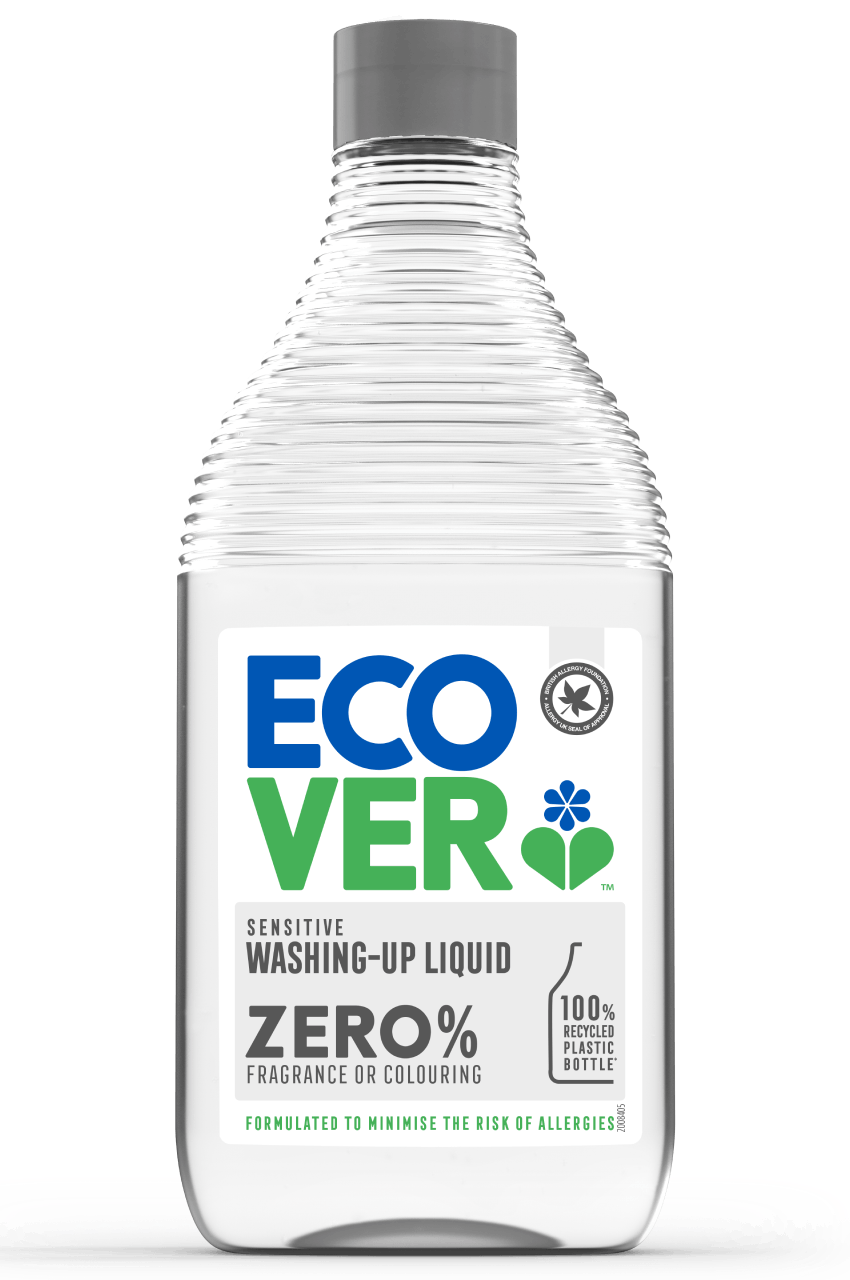
Ecover Zero Washing Up Liquid
Ecover
- • Allergy UK endorsed
- • Fragrance-free and dye-free
Honest caveat: The base surfactant is sodium lauryl sulfate, which dries hands with long contact, so gloves still help. Ecover’s page does not state an EU Ecolabel.
Ecover
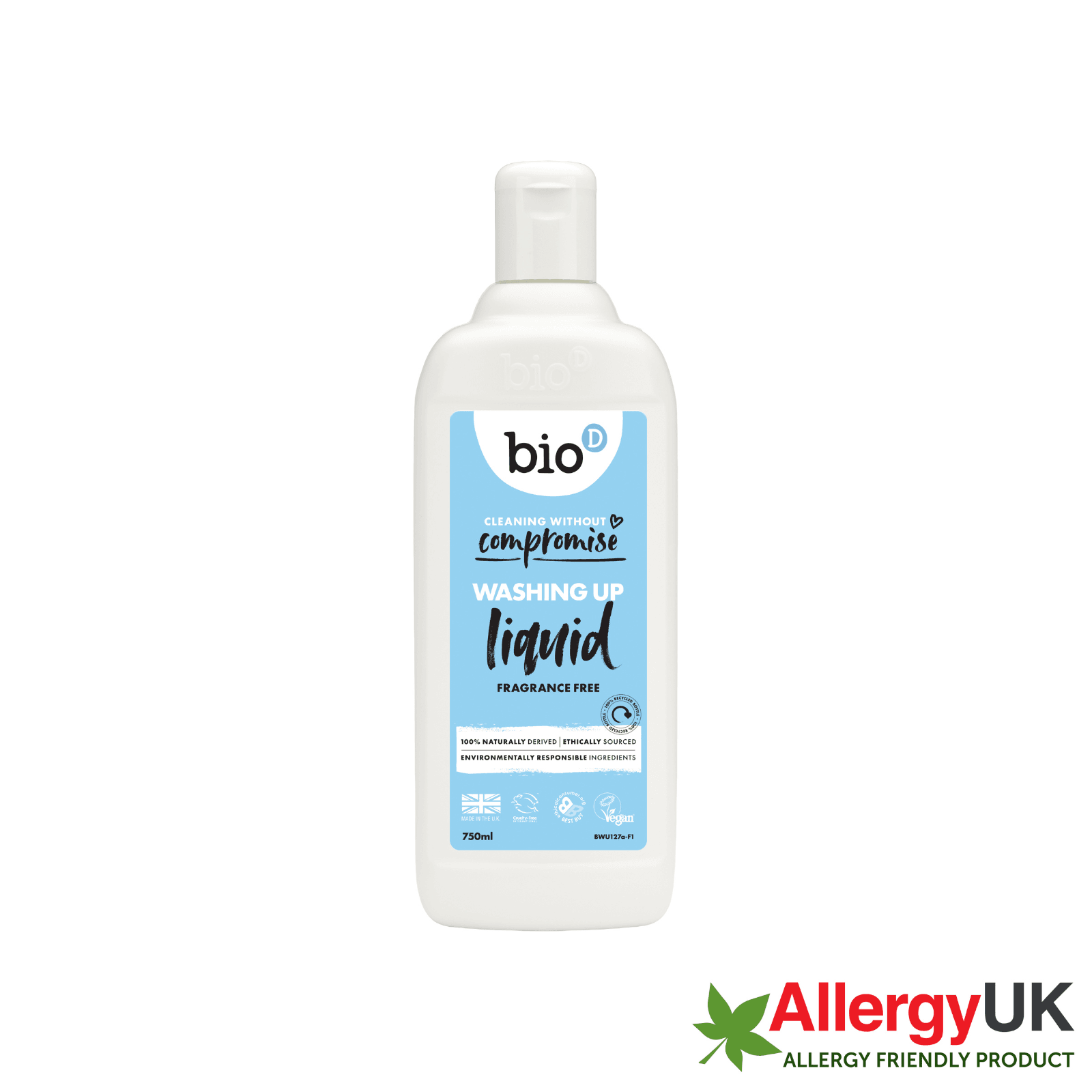

Bio-D Fragrance Free Washing Up Liquid 750ml
Bio-D
- • Allergy UK accredited
- • Fragrance-free
Honest caveat: With a pH of 11.5 it is noticeably alkaline, so wear gloves if your hands are sensitive. It showed out of stock on Bio-D’s own shop when we checked.
Bio-D


Nonscents Organic Washing Up Liquid
Greenscents
- • SLS and SLES-free
- • Fragrance-free Nonscents variant
Honest caveat: It costs three times the price of the supermarket picks, and plant-glucoside formulas foam less, so many people over-dose. Organic certification is about ingredient sourcing, not skin testing.
Greenscents


Surcare Washing Up Liquid
Surcare
- • 0% fragrance and dyes
- • Sodium benzoate preservative
Honest caveat: There is no named third-party endorsement on the product page and no refill option, so you are buying a new plastic bottle each time.
Surcare
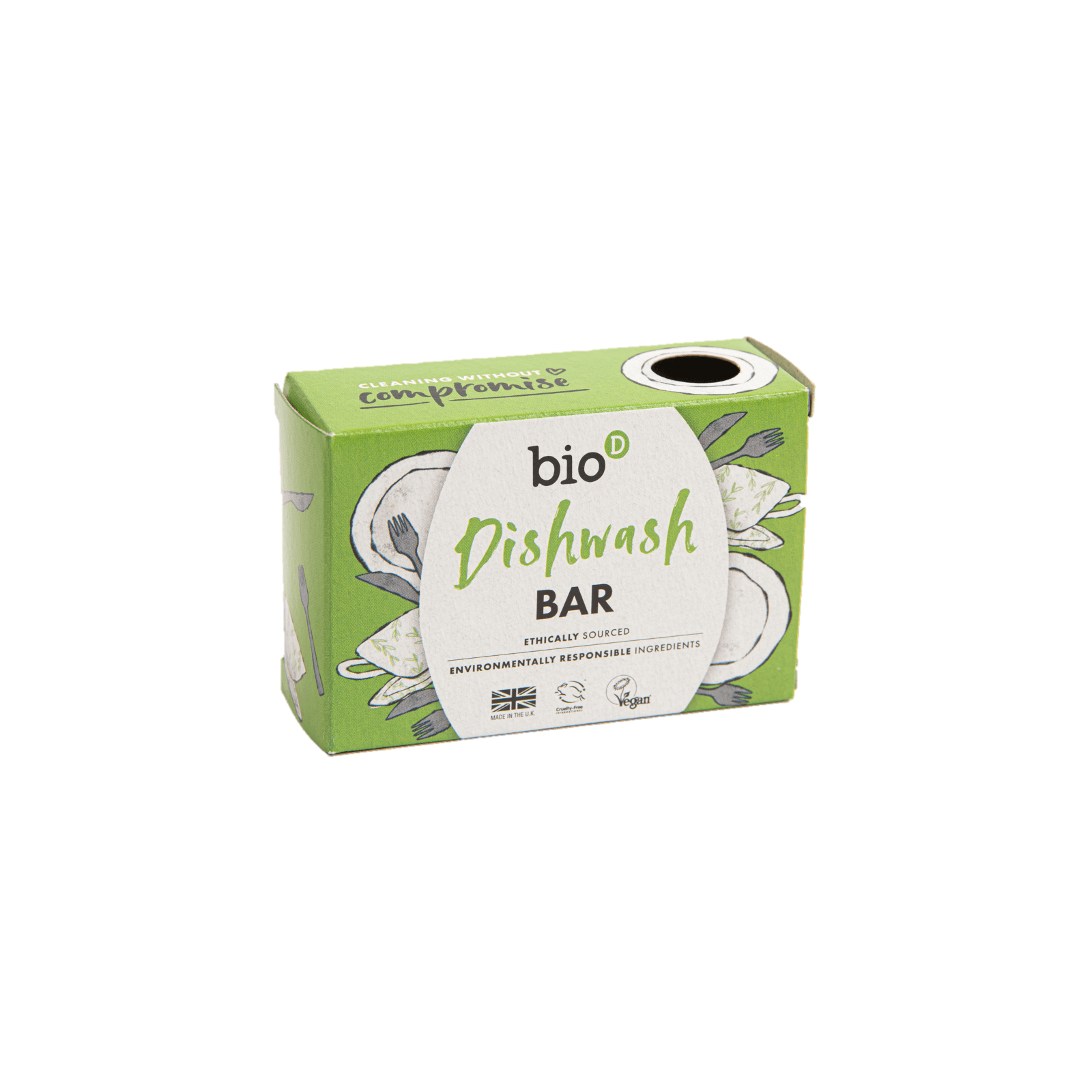

Bio-D Dishwash Bar 90g
Bio-D
- • Plastic-free cardboard pack
- • No fragrance listed
Honest caveat: Bio-D says ’no synthetic fragrances’ rather than ’fragrance-free’, and the bar is not in its Allergy UK accredited range. It was out of stock on Bio-D’s shop when we checked.
Bio-D


Koh Dishwashing Liquid 1.5L
Koh
- • Fragrance-free
- • Contains enzymes
Honest caveat: It is preserved with methylchloroisothiazolinone/methylisothiazolinone (MCIT/MIT). Regulators banned MIT from leave-on cosmetics after a rise in contact allergy, so we flag it for hand-contact products even though washing up is rinse-off.
Koh
We may earn a commission if you buy through our links. How we choose ›
How strong is the research? What our grades mean ›
- Strong research
- Independent certification or lab data for the specific claim.
- Promising research
- The material is well supported, but there is no product-level testing.
- Early research
- Little independent research.
- Mixed research
- Research findings disagree.
- £
- Under £20
- ££
- £20 to £79
- £££
- £80+
What makes a washing up liquid "eco" and lower exposure?
Washing up liquid touches your hands every day and leaves a trace on dishes if not rinsed, so the formula matters more than the bottle colour. The evidence supports three priorities: no fragrance (perfumes are a leading cause of contact dermatitis, per the NHS), a preservative that is not a known strong allergen, and refills to cut plastic. "Eco" on the front of the bottle is not regulated, so we judge by the ingredient list.
Our picks at a glance
| Product | Best for | Material/key feature | Price | Evidence grade |
|---|---|---|---|---|
| Ecover Zero Washing Up Liquid | Best overall | Fragrance-free, Allergy UK endorsed | £2.50 (450ml) | Strong |
| Bio-D Fragrance Free Washing Up Liquid 750ml | Budget | Allergy UK accredited, about 3p a use | £1.82 | Strong |
| Nonscents Organic Washing Up Liquid | Premium, SLS-free | Soil Association organic | £7.50 (500ml) | Moderate |
| Surcare Washing Up Liquid | Supermarket sensitive brand | 0% fragrance, enzymes, dyes | £2.99 (450ml) | Moderate |
| Bio-D Dishwash Bar 90g | Plastic-free | Solid bar in cardboard | £3.63 | Limited |
| Koh Dishwashing Liquid 1.5L | Enzyme degreasing | Fragrance-free, but MCIT/MIT preserved | £10.95 | Contested |
How we chose
We reviewed fragrance-free and eco washing up liquids sold in the UK and kept those with no added fragrance or essential oils and a published ingredient list. Many popular eco brands only sell scented versions (lemon, grapefruit, rhubarb), so they did not make the list. Allergy UK accreditation earned a "strong" grade; brand-only claims earned "moderate". We flagged preservatives with a known allergy record. Prices checked October 2026.
The best eco washing up liquids in the UK
Ecover Zero Washing Up Liquid: best overall
Fragrance-free and dye-free, dermatologically tested on sensitive skin, and included on Allergy UK's endorsed Ecover Zero list. At around £2.50 in Ocado, Waitrose, Tesco and Boots, it is the easiest swap to make, and there is a 5L refill. Caveat: its main surfactant is sodium lauryl sulfate, which dries hands with long contact, so gloves still help.
Bio-D Fragrance Free Washing Up Liquid: best budget
Accredited as Allergy Friendly by Allergy UK, and about 3p a use with 5L and 20L refills. Caveat: at pH 11.5 it is noticeably alkaline, so wear gloves if your hands are sensitive. It showed out of stock on Bio-D's shop when we checked, but it is stocked by eco retailers.
Nonscents Organic Washing Up Liquid: best premium
Greenscents' fragrance-free version uses decyl glucoside with soap nut and shikakai extracts, contains no SLS or SLES, and is Soil Association certified organic with plastic-free refills. Caveat: it costs three times as much as the supermarket picks, and glucoside formulas foam less, which tempts people to overdose.
Surcare Washing Up Liquid: supermarket alternative
Declared 0% fragrance, enzymes, acids and dyes, preserved with sodium benzoate. Caveat: no named third-party endorsement and no refill option.
Bio-D Dishwash Bar: best plastic-free
A solid bar in cardboard with no fragrance on its ingredient list, used with a brush or sponge. Caveat: Bio-D says "no synthetic fragrances" rather than "fragrance-free", and the bar is not in its Allergy UK accredited range. It was out of stock on Bio-D's shop when we checked.
Koh Dishwashing Liquid: also consider, with a warning
Fragrance-free with protease, amylase and lipase enzymes that help break down food soils. Caveat: it is preserved with methylchloroisothiazolinone/methylisothiazolinone (MCIT/MIT). Regulators banned MIT from leave-on cosmetics after scientists found no adequately demonstrated safe level for contact allergy (Regulation 2016/1198). Washing up is rinse-off, but if you already react to MIT, skip this one.
How much washing up liquid do you actually need?
Far less than most people use. Concentrated liquids are designed for a small squirt (around 5ml, or a teaspoon) in a full bowl of hot water. Squirting directly onto a sponge under a running tap uses several times more, which means more surfactant on your hands, more down the drain and more residue on dishes. Two easy habits help: fill a bowl rather than washing under the tap, and add a pump dispenser so each press gives a measured dose. Glucoside-based formulas such as Nonscents make fewer bubbles, but bubbles are not a measure of cleaning power, so resist adding more until the foam looks familiar.
Are refills and bars worth it?
For plastic, yes. A 5L refill replaces around ten 450 to 500ml bottles, and Ecover, Bio-D and Greenscents all sell them; Greenscents also takes its containers back for cleaning and refilling. Refills are usually cheaper per wash as well. Solid dishwash bars go further by removing liquid packaging entirely, though they suit a brush-and-rinse style of washing more than a full sink. Whatever you choose, the formula matters more for exposure than the packaging: a fragrance-free liquid in plastic is a lower-exposure choice for your hands than a scented bar in cardboard.
Is SLS in washing up liquid a problem?
Sodium lauryl sulfate (SLS) is a cheap, effective grease-cutter used in most washing up liquids, including several eco ones. It is a known skin irritant at high concentrations and with long contact, which is why hands get dry after a big wash-up. It is not an allergen in the way fragrance or MIT can be. If your hands crack, the most effective fix is gloves; an SLS-free formula such as the Greenscents liquid is a second option.
Which preservatives should you watch for?
Water-based liquids need a preservative to stop bacteria and mould. UK detergent rules require preservatives to be named on the label (Detergents Regulation, Annex VII). Sodium benzoate, benzyl alcohol and dehydroacetic acid are common in our picks. The one to watch is the isothiazolinone family (methylisothiazolinone, methylchloroisothiazolinone, benzisothiazolinone), which is linked to contact allergy. The NHS lists preservatives among the common causes of allergic contact dermatitis (NHS).
Do you need to rinse dishes after washing up?
Rinsing removes detergent residue, and a 2023 lab study found that dishwasher rinse aid residues damaged human gut cells in the lab (Ogulur et al., 2023). That study looked at dishwasher rinse aid rather than hand washing up liquid, so it does not show harm from sink washing. A quick rinse under the tap is still a sensible, free habit, especially for glasses and baby bottles.
What to avoid
- Scented "eco" washing up liquids if anyone at home has eczema or fragrance sensitivity; essential oils such as lemon contain limonene, a labelled allergen.
- Antibacterial washing up liquids; plain detergent and hot water are enough for dishes.
- Isothiazolinone preservatives if you have a known reaction.
For dishwasher users, see our non-toxic dishwasher tablets guide, and for the rest of the house, the non-toxic cleaning products hub.
Bottom line
Choose fragrance-free, check the preservative, and buy refills. Ecover Zero is the best all-rounder at a supermarket price, with Allergy UK endorsement. Bio-D Fragrance Free is the cheapest per use, and Nonscents is the pick if you want an SLS-free certified organic formula.
Frequently asked questions
What is the most eco-friendly washing up liquid?
+
Look for a fragrance-free formula with readily biodegradable surfactants and a refill scheme. Ecover Zero, Bio-D Fragrance Free and Greenscents Nonscents all offer 5L refills. A solid dishwash bar in cardboard removes plastic altogether. The biggest environmental saving is usually using less: a small squirt in a bowl is enough.
Is Fairy washing up liquid bad for you?
+
Mainstream washing up liquids are tested for consumer use, but most contain fragrance and some contain preservatives linked to contact allergy. They are not a concern for most people. If you have eczema, sensitive hands or fragrance sensitivity, a fragrance-free option with an Allergy UK accreditation is a sensible switch.
Why do my hands get dry from washing up?
+
Surfactants such as sodium lauryl sulfate strip natural oils from skin, and hot water makes it worse. The NHS lists soaps and detergents as common causes of irritant contact dermatitis. Gloves are the most effective fix, followed by an SLS-free formula and a fragrance-free hand cream afterwards.
Do I need antibacterial washing up liquid?
+
No. Detergent and hot water remove food and the germs in it from dishes, and rinsing and drying finish the job. Antibacterial additives add exposure without a clear benefit for home kitchens. Replace sponges and cloths regularly or wash them hot, as they harbour more bacteria than the plates.
What does fragrance-free mean on washing up liquid?
+
It should mean no perfume or essential oils have been added. UK detergent labels must list perfumes and named fragrance allergens such as limonene. Be careful with "unscented", which sometimes means a masking scent has been added, and with "natural" scented liquids, since lemon and orange oils contain limonene.
Last updated