Food & Kitchen
Healthy Emergency Food UK: What to Stockpile for 3 Days
How we grade ›Sources checked on Our independence ›
We may earn a commission if you buy through our links. How we choose ›
Our top pick
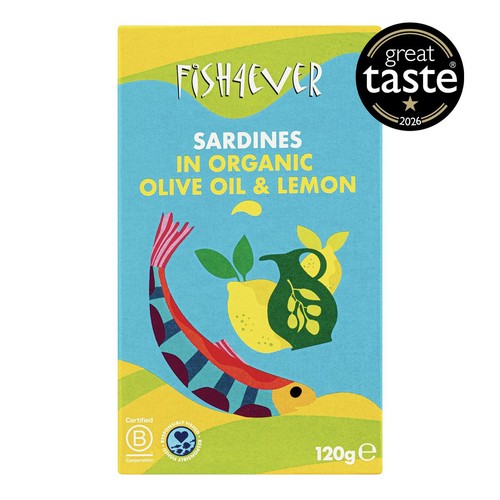
Tinned fish · £3.70
Best tinned fish for protein and omega-3
Buy now at OcadoBudget: Nairn’s Traditional Rough Oatcakes (290g) · £1 ›Premium: Delicius Mackerel Fillets in Organic Extra Virgin Olive Oil (90g) · £4.90 ›
Quick answer
UK government advice is to keep three days of non-perishable food that needs no fridge or cooking, plus 3 litres of drinking water per person per day. For a healthier store, choose tinned oily fish, tinned pulses, oats or oatcakes, nuts and nut butter, dried fruit, extra virgin olive oil and long-life milk, and rotate it every six months.
Our picks
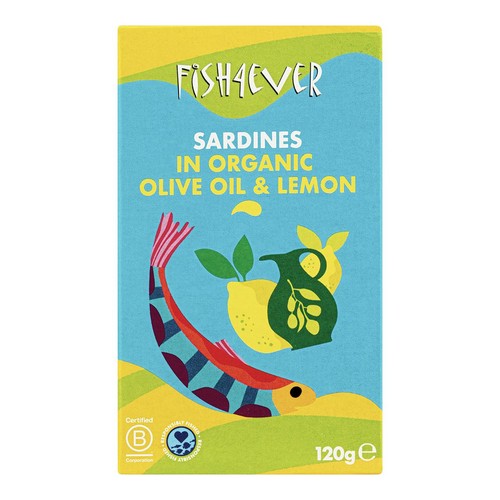
Fish 4 Ever Whole Sardines in Organic Lemon & Olive Oil (120g)
Fish 4 Ever
- • 21g protein per 100g on the label
- • Omega-3 listed on the label (2.9 per 100g, unit not stated by the retailer)
Honest caveat: The retailer page makes no BPA-free or BPA-NI lining claim, so we cannot verify the lining. At 393 kcal per 100g including the oil it is rich, and at £3.70 a tin it costs more than own-brand sardines.
£3.70
Ocado

Nairn’s Traditional Rough Oatcakes (290g)
Nairn's
- • 90% wholegrain oats, four ingredients
- • 10.4g fibre per 100g (high fibre)
Honest caveat: They contain sustainable palm fruit oil and 1.46g salt per 100g, which is moderate. The £1 price is an Ocado offer ending 3 November 2026; the usual price is £1.60. Contains oats and may contain milk. Nairn’s says the palm fruit oil replaced sunflower oil temporarily because of a shortage, so the oil may change back. Nairn’s lists the pack as 291g and Ocado as 290g.
£1
Ocado

Delicius Mackerel Fillets in Organic Extra Virgin Olive Oil (90g)
Delicius
- • 640mg EPA and DHA per 100g drained (label)
- • 26g protein per 100g
Honest caveat: A small 90g tin at £4.90 is expensive per gram, and the retailer page does not state the can lining. Own-brand mackerel or salmon in water is a cheaper alternative. The species, catch area and drained weight are not published, and the country of origin is blank on Ocado.
£4.90
Ocado


Pip & Nut Smooth Peanut Butter (300g)
Pip & Nut
- • 99.5% Argentinian hi-oleic peanuts, 0.5% sea salt
- • No palm oil
Honest caveat: Peanuts are a major allergen, so check everyone in the household and any guests. It is very energy-dense (593 kcal per 100g), which helps in an emergency but is easy to overdo day to day. Ocado and Morrisons show slightly different nutrition figures, which may reflect a label update. Morrisons adds a ’may contain nuts’ warning.
£3.50
Ocado

Belazu Early Harvest Arbequina Extra Virgin Olive Oil (1L)
Belazu
- • First olives of the season
- • Litre bottle
Honest caveat: No polyphenol figure published, and Arbequina is a mild variety. Also sold in 500ml and 3L bag-in-box sizes, so check which size you are buying.
£11.50
Belazu
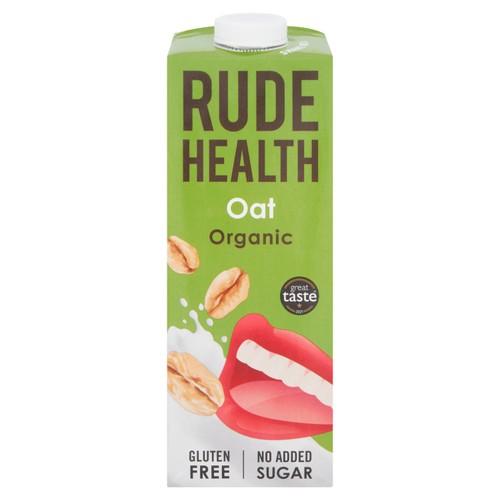
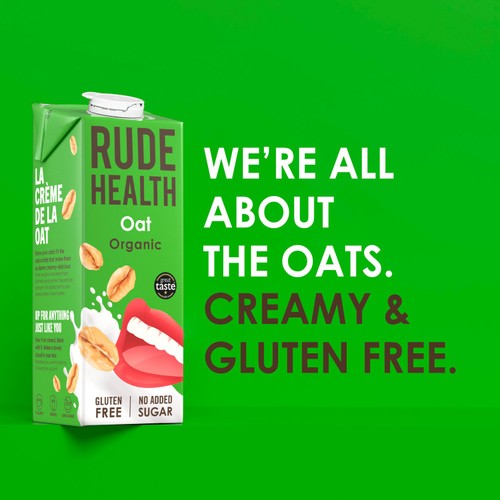
Rude Health Organic Oat Drink Longlife (1L)
Rude Health
- • Four-ingredient organic oat drink
- • Stored at room temperature until opened
Honest caveat: It is not fortified with calcium or vitamins and has only 0.5g protein per 100ml. Once opened it needs a fridge and use within 5 days, so in a power cut buy smaller cartons or choose UHT dairy milk for more protein.
£2.30
Ocado
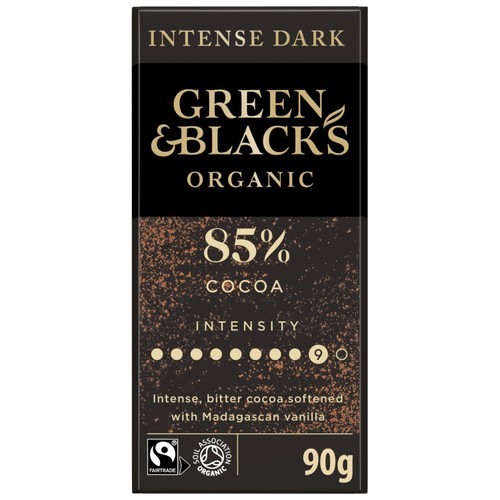
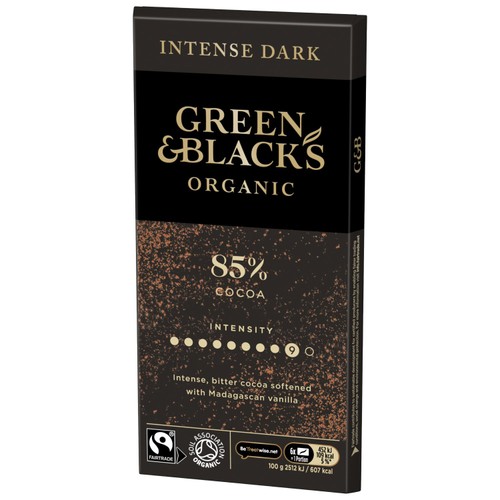
Green & Black’s Organic 85% Dark Chocolate Bar (90g)
Green & Black's
- • 85% cocoa, organic ingredients
- • 13g fibre and 14g sugars per 100g
Honest caveat: Research on cocoa and health is mixed, so this is here for energy and comfort, not as a health food. The £2.75 price is an Ocado offer ending 3 November 2026 (usually £3.25).
£2.75
Ocado
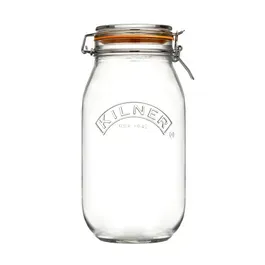

Kilner Clip Top Round Jar 2 Litre
Kilner
- • All-glass body with clip lid
- • 2 litre capacity
Honest caveat: Soda-lime glass is less resistant to sudden temperature changes than borosilicate, and Kilner advises against pouring boiling water directly in. The rubber seal type is not specified.
£9.50
Kilner
We may earn a commission if you buy through our links. How we choose ›
How strong is the research? What our grades mean ›
- Strong research
- Independent certification or lab data for the specific claim.
- Promising research
- The material is well supported, but there is no product-level testing.
- Early research
- Little independent research.
- Mixed research
- Research findings disagree.
- £
- Under £20
- ££
- £20 to £79
- £££
- £80+
On 23 October 2026 the government asked every UK household to be ready to cope for three days without normal services. This guide takes the official no-cook, no-fridge food list and upgrades it with foods that suit everyday healthy eating: oily fish, pulses, nuts, wholegrains and olive oil.
What the government actually advises
The Be Ready campaign asks you to keep non-perishable food for three days: "food with a long shelf life that doesn't need refrigeration or cooking", such as tinned meat, fish or vegetables, dried fruit and nuts. It also says to buy foods you would normally eat. The official checklist adds:
- bottled water: 3 litres of drinking water per person per day, with more needed for cooking and washing (see our emergency water storage guide)
- ready-to-feed baby formula, because you may not be able to boil water to make up powdered formula
- pet food and bottled water for pets
- a reminder every six months to check dates and replace anything out of date
Some older pages still quote "10 litres per person per day"; the current figure is 3 litres for drinking, plus extra for everything else. Food is one part of a wider kit; our 3-day emergency kit guide and power cut kit guide cover the rest.
How many calories and how much protein do you need for 3 days?
The NHS says an average adult needs about 2,000 kcal a day for women and 2,500 kcal for men. The reference intakes printed on UK food labels are 2,000 kcal, 50g protein and 6g salt a day for an average adult.
So for one adult over three days, plan for roughly:
| Per adult | 1 day | 3 days |
|---|---|---|
| Energy (women) | 2,000 kcal | 6,000 kcal |
| Energy (men) | 2,500 kcal | 7,500 kcal |
| Protein (label reference) | 50g | 150g |
| Salt (upper reference) | 6g | 18g |
Prices checked
These are guide figures, not personal targets; children, older people and anyone with a medical condition will differ. Aim for enough energy, some protein at each meal, and not too much salt, especially if water is limited.
What are the best healthy foods to stockpile in the UK?
The government's own food advice for a power cut lists tinned vegetables and fish, beans, dried cereals such as oats, and pouched pre-cooked rice or grains as foods that last well beyond seven days. Build from that: tinned sardines, mackerel or salmon (in olive oil or water, not heavy brine) for protein and omega-3; tinned chickpeas, lentils and beans, which can be eaten cold once drained; oats, oatcakes and ready-to-eat grain pouches; nuts, seeds, nut butters and extra virgin olive oil; dried fruit and tinned fruit in juice; long-life milk or plant drink; and a bar of dark chocolate.
Our picks at a glance
| Product | Best for | Key feature | Price | Evidence grade |
|---|---|---|---|---|
| Tinned fishFish 4 Ever Whole Sardines in Organic Lemon & Olive Oil (120g) | Protein and omega-3 | 21g protein per 100g, traceable catch | £3.70 | Promising |
| OatcakesNairn's Traditional Rough Oatcakes (290g) | Budget wholegrain base | 90% wholegrain oats, high fibre | £1 | Promising |
| Tinned fishDelicius Mackerel Fillets in Organic Extra Virgin Olive Oil (90g) | Premium oily fish | 640mg EPA and DHA per 100g on label | £4.90 | Promising |
| Nut butterPip & Nut Smooth Peanut Butter (300g) | Calorie-dense spread | Two ingredients, no palm oil | £3.50 | Promising |
| Olive oilBelazu Early Harvest Arbequina Extra Virgin Olive Oil (1L) | Adding energy to cold food | Early harvest extra virgin oil | £11.50 | Promising |
| Oat drinkRude Health Organic Oat Drink Longlife (1L) | Dairy-free long-life drink | Four ingredients, stored at room temperature | £2.30 | Early |
| ChocolateGreen & Black's Organic 85% Dark Chocolate Bar (90g) | Morale and energy | 85% cocoa, 13g fibre per 100g | £2.75 | Early |
| Food storage containerKilner Clip Top Round Jar 2 Litre | Decanting oats and nuts | Glass with airtight seal | £9.50 | Promising |
How we chose
We started from the official Be Ready list and the government's power cut food advice, then looked for versions that fit NHS Eatwell-style everyday eating: more oily fish, pulses, wholegrains and unsaturated fats, and less added salt and sugar. Every product was checked on a live UK retailer page in October 2026 for price, size and label nutrition. We prefer short ingredient lists and foods you can eat cold and would eat in a normal week. We have not lab-tested these products.
Which tinned fish is best for an emergency food store?
Fish 4 Ever Whole Sardines in Organic Lemon & Olive Oil (top pick)
Sardines are small oily fish, so they bring protein and omega-3 fats in one tin with no cooking. This tin lists 21g protein per 100g and is responsibly fished in Portugal, with a QR code to trace the catch. Caveat: the retailer page makes no BPA-free lining claim, and at 393 kcal per 100g (including the oil) it is rich, which is useful in an emergency but worth knowing day to day.
Delicius Mackerel Fillets in Organic Extra Virgin Olive Oil (premium pick)
Boneless fillets in organic extra virgin olive oil, with the label stating 640mg of EPA and DHA (the main omega-3 fats) per 100g drained. Caveat: it is a small 90g tin at £4.90, and the page does not state the lining. For a cheaper option, supermarket own-brand mackerel or salmon in water works too. If you take omega-3 for other reasons, our omega-3 supplement guide explains the evidence.
What should you eat with tinned fish if you cannot cook?
Nairn's Traditional Rough Oatcakes (budget pick)
Oatcakes are a sturdy, long-life wholegrain base: 90% wholegrain oats and 10.4g fibre per 100g. They do not crumble to dust in a cupboard like some crackers. Caveat: they contain palm fruit oil and 1.46g salt per 100g, which is moderate, and the £1 price is a short-term Ocado offer.
Pip & Nut Smooth Peanut Butter
Just peanuts and a little sea salt, with 27g protein per 100g and no palm oil. Two spoonfuls on oatcakes is a quick, filling meal. Caveat: nuts are a common allergen, so check every household member and any guests; once opened, use within the time on the jar.
Belazu Early Harvest Arbequina Extra Virgin Olive Oil
A tablespoon over drained chickpeas or beans adds around 120 kcal and makes cold food far more pleasant. Caveat: 1 litre is more than three days needs; it earns its place because you will use and rotate it in normal cooking.
Which long-life milk or plant drink is best?
Rude Health Organic Oat Drink Longlife
Four ingredients (water, oats, sunflower oil, sea salt) and stored at room temperature until opened. It makes overnight oats without a fridge. Caveat: it is not fortified with calcium or vitamins and has only 0.5g protein per 100ml, and once opened it needs a fridge and use within 5 days, so buy small cartons if the power is out. UHT dairy milk gives far more protein if you drink it.
What snacks are good to stockpile?
Green & Black's Organic 85% Dark Chocolate Bar
High-cocoa chocolate is energy-dense, keeps for months, and a square or two genuinely helps morale. The label lists 13g fibre and 14g sugars per 100g. Caveat: research on cocoa and health is mixed, so this is here for energy and comfort, not as a health food.
How should you store emergency food?
Kilner Clip Top Round Jar 2 Litre
A glass clip-top jar keeps oats, nuts or dried fruit away from damp and pests. Glass is inert (it does not react with food), which is why we favour it for long-term dry storage; our glass food storage guide and plastic food storage guide explain more. Caveat: glass is heavy and breakable, so keep jars low down.
Are tin linings and BPA something to worry about?
Most food tins have a thin plastic lining. Some older linings used BPA (bisphenol A). In 2023 the European Food Safety Authority lowered its tolerable daily intake for BPA about 20,000 times and said typical dietary exposure exceeded the new level. Not every expert body agreed: Germany's risk assessment institute proposed a limit 1,000 times higher than EFSA's. The EU has since moved to ban BPA in food contact materials, and the UK Food Standards Agency consulted on a similar ban in late 2025, publishing a response summary in March 2026.
In proportion: three days of tins is a tiny share of a year's diet. For lower exposure, choose brands that state BPA-NI (non-intent) linings, rotate tins, and keep some foods in glass jars. Our plastic food storage guide covers which swaps make the biggest difference.
Should you buy 25-year emergency food buckets?
Freeze-dried ration buckets have a real role: they are light, compact and some last decades, which suits small homes or a long-term reserve. But most need hot water, which breaks the no-cook rule, and many meals are high in salt (which raises thirst) and use flavourings and thickeners. For a three-day store you rotate, ordinary tins and packets you already eat are cheaper and a better fit with everyday healthy eating. If you buy a bucket, check salt per portion and water needed.
Sample 3-day no-cook menu for one adult
Approximate values from typical pack labels, rounded. Check your own packs.
| Day | Breakfast | Lunch | Dinner | Snacks | Approx total |
|---|---|---|---|---|---|
| 1 | 50g oats soaked in 200ml long-life oat drink, 30g raisins | Tin of sardines in olive oil on 4 oatcakes | Drained tin of chickpeas, small tin of sweetcorn, 1 tbsp olive oil | 30g almonds, 2 squares dark chocolate | about 1,850 kcal, 65g protein |
| 2 | 4 oatcakes with 30g peanut butter, 30g dried apricots | Tin of mackerel in olive oil with a drained tin of mixed beans, 1 tbsp olive oil | Ready-to-eat grain pouch with a tin of salmon in water | Protein bar, 2 squares dark chocolate | about 1,850 kcal, 95g protein |
| 3 | 50g oats with 200ml UHT milk, 15g seeds, 30g raisins | 4 oatcakes with 30g peanut butter, tin of peaches in juice | Tin of sardines with a drained tin of lentils | Fruit and nut bar, 30g nuts | about 1,950 kcal, 80g protein |
Men and active adults should add a snack or larger portions to reach around 2,500 kcal. Protein lands well above the 150g reference. If you are sweating or unwell, our electrolytes guide explains when rehydration salts help.
What about babies, special diets and pets?
- Babies: store ready-to-feed formula, as official advice says, plus nappies and wipes.
- Allergies and coeliac disease: use your usual free-from foods; choose oats labelled gluten-free if needed.
- Diabetes or medically supervised diets: ask your GP or dietitian what to keep.
- Older relatives: choose ring-pull tins and softer foods.
- Pets: their usual food, bottled water and any prescription diet.
Emergency food checklist
- 3 litres of drinking water per person per day, plus extra for washing
- Two or more tins of oily fish per adult
- Three or more tins of pulses
- Oats, oatcakes or wholegrain crackers
- Nuts, seeds or nut butter, and extra virgin olive oil
- Dried fruit and tinned fruit in juice
- Small cartons of long-life milk or plant drink
- Snacks and dark chocolate
- Ready-to-feed formula and pet food if needed
- Manual tin opener, spoons, bowls, bin bags
- Six-monthly reminder to check dates
How do you rotate an emergency food store?
Use "first in, first out": new tins at the back, eat from the front. Every six months, check dates, eat anything close to its date in normal meals and replace it. Best before dates are about quality; use by dates must be followed. Add a few items each shop rather than buying everything at once.
What to avoid
- Very salty foods: heavy brine, instant noodles and salty snacks increase thirst.
- Foods that need cooking: dried pasta and rice suit longer outages, not a no-cook three days.
- Camping stoves or barbecues indoors: the government warns of carbon monoxide risk.
- Foods nobody eats: they will be wasted.
- Large cartons and jars: most need a fridge once opened, so buy small.
Bottom line
You do not need special emergency food. Follow the official three-day, no-fridge, no-cook advice, then fill it with foods that support everyday health: tinned oily fish, pulses, oats, nuts and nut butters, olive oil and some dark chocolate. Store dry goods in glass, rotate every six months, and keep 3 litres of drinking water per person per day alongside it.
Frequently asked questions
How much food do I need to stockpile for 3 days in the UK?
+
Plan for about 6,000 kcal per woman and 7,500 kcal per man over three days, based on NHS guide figures of 2,000 and 2,500 kcal a day, and around 150g protein. In practice that is roughly six to nine tins of fish and pulses, a packet of oats or oatcakes, nuts or nut butter and some dried fruit per adult.
What food should I keep in an emergency without a fridge or cooker?
+
The government's Be Ready advice is long-life food that needs no refrigeration or cooking, such as tinned meat, fish and vegetables, dried fruit and nuts. Good healthy choices include tinned sardines or mackerel in olive oil, drained tins of chickpeas or beans, oatcakes, peanut butter, ready-to-eat grain pouches and small cartons of long-life milk.
How much water should I store for an emergency in the UK?
+
The current government advice is bottled water for three days at 3 litres of drinking water per person per day, with more for cooking and washing. Some older pages quote 10 litres per person per day from the previous campaign page. Remember pets need water too, and salty foods increase thirst.
Is freeze-dried emergency food worth buying in the UK?
+
It can be, for long-term storage in a small space, because some freeze-dried meals last decades. For a three-day store, though, most need hot water, many are high in salt, and they cost more than ordinary tins. Most households do better with foods they already eat, rotated every six months.
Are tinned foods lined with BPA in the UK?
+
Some can linings have used BPA. EFSA lowered its tolerable intake for BPA sharply in 2023, though Germany's BfR disagreed with how low it went. The EU is phasing BPA out of food contact materials and the UK FSA has consulted on a similar ban. Three days of tins is a small exposure; choose BPA-NI linings or glass jars if you prefer.
What baby food should I keep for an emergency?
+
Official UK advice is to keep ready-to-feed infant formula, because you may not be able to boil water to make up powdered formula. Keep nappies and wipes too. If your baby is on solids, store pouches or jars they already eat, and ask your health visitor if your baby has special feeding needs.
How long does long-life food last and how do I rotate it?
+
Tinned fish, pulses, oats and dried goods typically last months to years; check the date on each pack. Use first in, first out: put new items at the back and eat from the front. The government suggests reviewing your kit every six months, using anything close to its date in normal meals and replacing it.
Last updated