Home, Air & Renovation
How to Get Rid of Black Mould: Low-Toxin Removal, When to Call a Professional and Your Rights as a Renter
How we grade ›Sources checked on Our independence ›
We may earn a commission if you buy through our links. How we choose ›
Quick answer
For a small patch, open a window, wear waterproof gloves, eye protection and an FFP2 or FFP3 mask, then wipe it off with a purpose-made mould remover, bag the cloth and throw it away. Never mix bleach-based products with other cleaners, and do not brush or vacuum mould, as that spreads spores. Large areas, mould in more than one room, or anyone with asthma, lung disease or a weakened immune system doing the cleaning are reasons to get professional help. Cleaning only treats the surface: the damp has to be fixed, and in rented homes that is usually the landlord's job.
Evidence grade: strong for the health risks of damp and mould and the removal advice below, which comes from UK government guidance, an NHS-linked patient charity and council guidance.
Why mould matters for health
Damp and mould mainly affect the airways and lungs. UK government guidance lists coughing, wheezing, breathlessness, airway infections, new or worse asthma and rhinitis, eczema and skin irritation, and in the most severe cases serious illness and death. Those most at risk include people with asthma, COPD or cystic fibrosis, people with weakened immune systems, pregnant women, children, older people, people with mental health conditions, and people who are housebound or have mobility problems.
If you have symptoms, speak to your GP or call NHS 111.
Before you start: who should not clean mould
Ask someone else to do it if you have asthma, lung disease, aspergillosis or a weakened immune system (Aspergillosis Trust; GOV.UK).
Get professional help if the mould covers a large area or affects more than one room (Aspergillosis Trust). GOV.UK says "larger areas of mould should only be addressed by qualified professionals."
Step by step: removing a small patch
- Check who should do it. If you have asthma, lung disease, aspergillosis or a weakened immune system, ask someone else.
- Check the size. Large areas, walls or ceilings, or more than one room need a professional or, for large areas, a fungicidal wash that carries a Health and Safety Executive (HSE) approval number (Oxford City Council).
- Ventilate. Open a window during and after cleaning, where possible, and shut the door to the rest of the home to limit spores spreading.
- Protect yourself. Wear waterproof gloves and eye protection. A well-fitting FFP2 or FFP3 mask can reduce inhalation of mould spores, but it does not protect against chemical gases (Aspergillosis Trust).
- Wipe, do not brush or vacuum, using a purpose-made mould remover as directed on the label. GOV.UK says "mould and mildew products should be used in preference to bleach, for health and safety reasons."
- Never mix bleach or a bleach-based mould remover with another cleaning product. Many purpose-made mould removers contain sodium hypochlorite (bleach); quat-based products are another option.
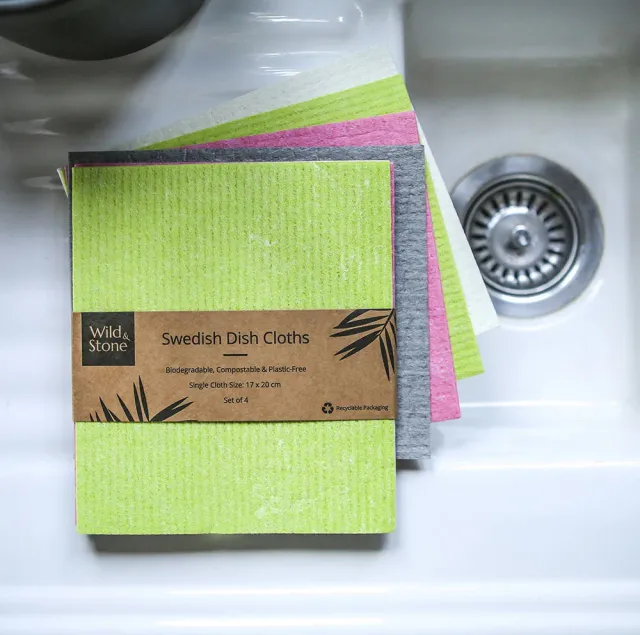
- Bag and bin. Place used cloths, sponges and removed material in a bag, seal it and throw it away. Shampoo mouldy carpets; badly affected carpets, soft furnishings or ceiling tiles may need to go.
- Fix the cause: condensation, ventilation, heating or leaks. If you rent, report it to your landlord.
Large areas, porous materials and when to call a professional
GOV.UK says larger areas of mould should only be addressed by qualified professionals, and that "absorbent materials such as carpets, soft furnishings and ceiling tiles may have to be thrown away if they become mouldy." There is no official UK size threshold in the sources we checked, so use "a large area or more than one room" as the trigger for professional help.
What not to do
- Do not brush or vacuum mould: it "can release spores into the air" (Oxford City Council).
- Do not mix cleaning products, especially anything containing bleach.
- Do not paint or wallpaper over untreated mould. Once the area is dry and the cause is fixed, fungicidal paint can be used when redecorating.
Stop it coming back: condensation and ventilation
"Simply removing surface mould will not prevent the damp and mould from reappearing" (GOV.UK). Shelter's condensation tips include opening windows regularly, covering pans, drying clothes outdoors or in a dryer, closing internal doors when cooking or showering, using extractor fans, leaving a gap between furniture and external walls, and wiping condensation from window sills each morning.
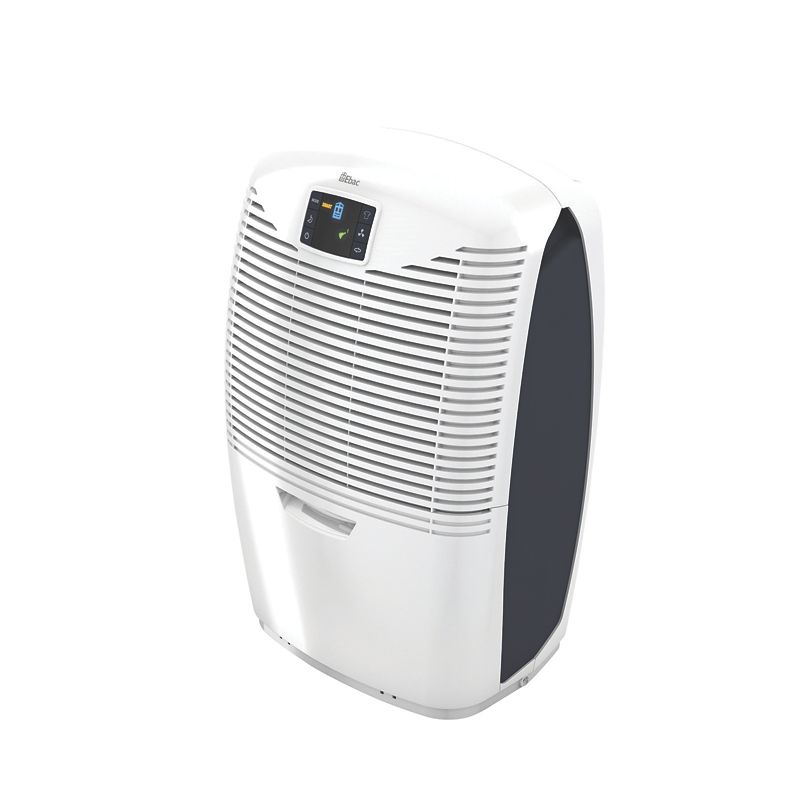
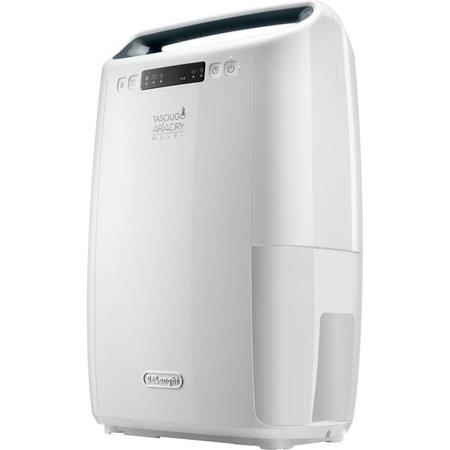
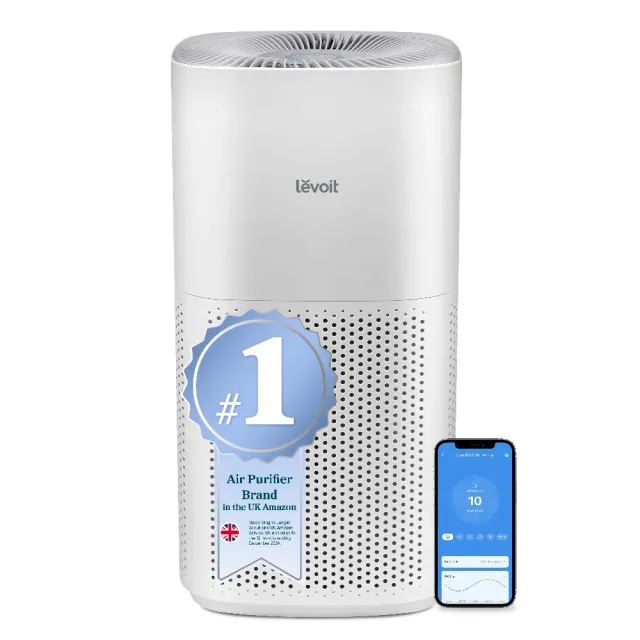
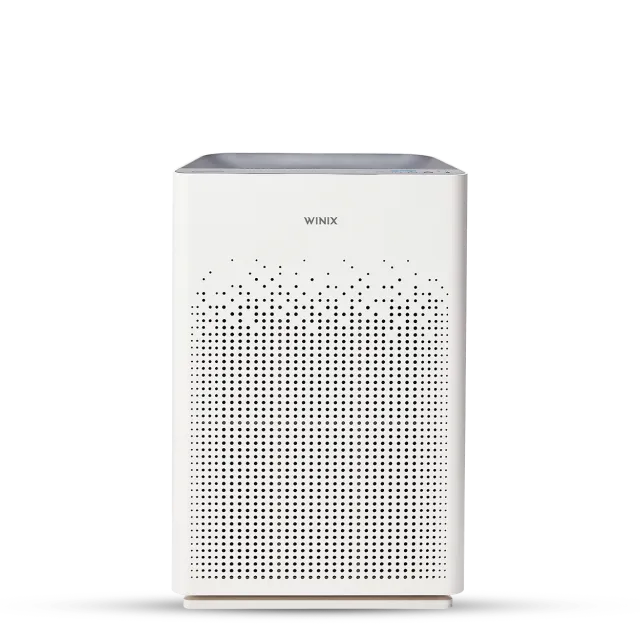
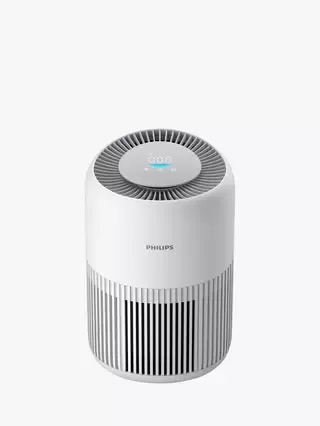
The Centre for Sustainable Energy suggests keeping indoor humidity between 40 and 60%. Our dehumidifier guide compares models and running costs, and our air purifier guide covers HEPA filtration. If you want to understand what is in the air before or after treatment, see our radon and mould testing guide.
Renting? Landlord duties, Awaab's Law and the council
GOV.UK says "it is totally unreasonable to blame damp and mould in the home on 'lifestyle choices'." The fundamental causes are building deficiencies, inadequate ventilation, inadequate heating and poor energy efficiency. Most tenants could reasonably be expected to remove condensation and very small amounts of mould, but this "should not be a substitute" for fixing the underlying problem.
Private renting in England. Homes must be free of category 1 hazards, including damp and mould, under the Housing Act 2004 (HHSRS), and councils must act on category 1 hazards. Under the Homes (Fitness for Human Habitation) Act 2018, tenants can take their own action (GOV.UK).
What to do, according to Shelter:
- Report it to your landlord and "keep a record of all conversations, emails and messages."
- Landlords must fix causes of damp, such as structural problems, leaking pipes and roofs, poor ventilation and broken boilers or heating, and repair damage such as plaster or carpets. "Your landlord should check if damp and mould return at least 6 weeks after the repairs."
- You do not pay for a damp surveyor.
- "You can ask your council for an environmental health inspection if the problem is serious." "The council can order your landlord to fix damp and mould."
Awaab's Law (social housing in England). Named after Awaab Ishak, aged two, who died in December 2020 after prolonged exposure to damp and mould in his home. From 27 October 2025, it applies to damp and mould hazards that present a significant risk of harm, and to all emergency hazards, in social housing (GOV.UK).
| Requirement | Timescale |
|---|---|
| Investigate a potential hazard | Within 10 working days of becoming aware |
| Written summary to the tenant | Within 3 working days of the investigation ending |
| Emergency hazards | Dealt with within 24 hours |
| Make the home free of the hazard (significant hazards) | Within 5 working days of the investigation |
| Further works | Begin within 5 working days, physically starting within 12 weeks |
It extends to further hazards in 2026 and the remaining HHSRS hazards in 2027. The government has pledged to extend Awaab's Law to the private rented sector, with details to be consulted on. Landlords should also advise tenants to consult a health professional about symptoms.
Bottom line
Small patches can be wiped off with a purpose-made mould remover, with the window open and gloves, eye protection and an FFP2 or FFP3 mask on. Do not brush, vacuum, mix cleaners or paint over it. Large areas, more than one room or a vulnerable person in the home mean professional help, and the damp itself has to be fixed, usually by the landlord if you rent.
Frequently asked questions
Is black mould dangerous?
+
Damp and mould can cause or worsen breathing problems, asthma, infections and skin problems, and children, older people and people with lung conditions are most at risk (GOV.UK). If you have symptoms, speak to your GP or NHS 111.
Should I use bleach on mould?
+
GOV.UK advises mould and mildew products in preference to bleach. Many mould removers contain bleach (sodium hypochlorite), so never mix them with other cleaners (Aspergillosis Trust).
Can I just paint over mould?
+
No. Do not paint or wallpaper over untreated mould; once the cause is fixed and the area is dry, fungicidal paint can be used (Oxford City Council).
When should I call a professional?
+
If it covers a large area or more than one room (Aspergillosis Trust), or for large areas generally (GOV.UK).
Is mould my landlord's responsibility?
+
Usually, if it comes from damp, leaks, poor ventilation or heating. Report it in writing and keep records; the council can order a private landlord to fix it (Shelter). Damp and mould should not be blamed on "lifestyle choices" (GOV.UK).
What is Awaab's Law?
+
Since 27 October 2025, social landlords in England must investigate significant damp and mould hazards within 10 working days and deal with emergencies within 24 hours (GOV.UK).
Why does mould keep coming back?
+
Wiping it off does not stop damp; the cause (condensation, poor ventilation, heating or leaks) has to be fixed (GOV.UK).
Last updated