Food & Kitchen
Best Plastic-Free Kitchen Swaps (UK 2026): Brushes, Cloths, Wraps
Quick answer
The easiest plastic-free kitchen swaps are a wooden dish brush, cellulose sponges, Swedish dishcloths, beeswax wraps and wool dryer balls. They cut plastic waste and shedding at low cost. Evidence that they change your health is early, so keep them clean and dry, and put bigger spending into glass or steel food storage.
Our picks

Ecoliving Long Handle Wooden Dish Brush
Ecoliving
- • Beech handle, tampico bristles
- • Replaceable head
Honest caveat: Plant bristles soften and splay faster than nylon, so expect to swap heads every couple of months. Let it dry head-up between uses or it can go mouldy.
£11.95
babipur.co.uk

Redecker Dish Brush Tampico Fibre
Redecker
- • Oiled beech, tampico fibre
- • Scraping edge
Honest caveat: The head is not replaceable, so the whole brush goes in the compost or bin when it wears out. Tampico bristles are softer than nylon.
£7.68
fredaldous.co.uk

Wild & Stone Compostable Swedish Dish Cloth Pack of 4
Wild & Stone
- • 70% FSC cellulose, 30% cotton
- • Pack of four
Honest caveat: They go stiff when dry, which is normal. Wash them hot regularly, as any damp cloth can harbour bacteria, and keep separate cloths for raw-meat spills.
£5.50
babipur.co.uk

Ecoliving Compostable Sponge 2 Pack
Ecoliving
- • Cotton, wood pulp and flax
- • Two sizes in the pack
Honest caveat: Every sponge becomes a bacteria hotspot with use, plant-based or not. Rinse, squeeze and dry it between uses and replace it often.
£4.30
babipur.co.uk
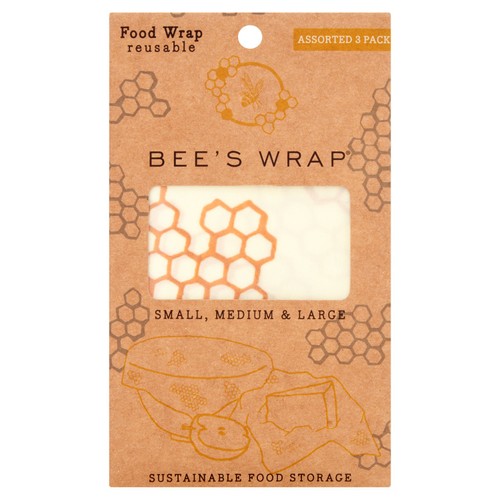
Bee’s Wrap Reusable Food Wraps, Assorted 3 Pack
Bee's Wrap
- • Small, medium and large
- • Beeswax, tree resin, jojoba oil
Honest caveat: Wraps can only be washed in cool water, so they are not suited to raw meat. Tree resin can be an allergen for some people. Ocado often runs offers, so the price you see may differ.
£23
ocado.com

Lakeland All-Natural Wool Dryer Balls (3)
Lakeland
- • 100% wool
- • Pack of three
Honest caveat: Claims of big energy savings are not backed by independent testing we could find. Lakeland suggests adding essential oils, but that brings fragrance back, so skip it if fragrance is what you want to avoid.
£5.99
lakeland.co.uk
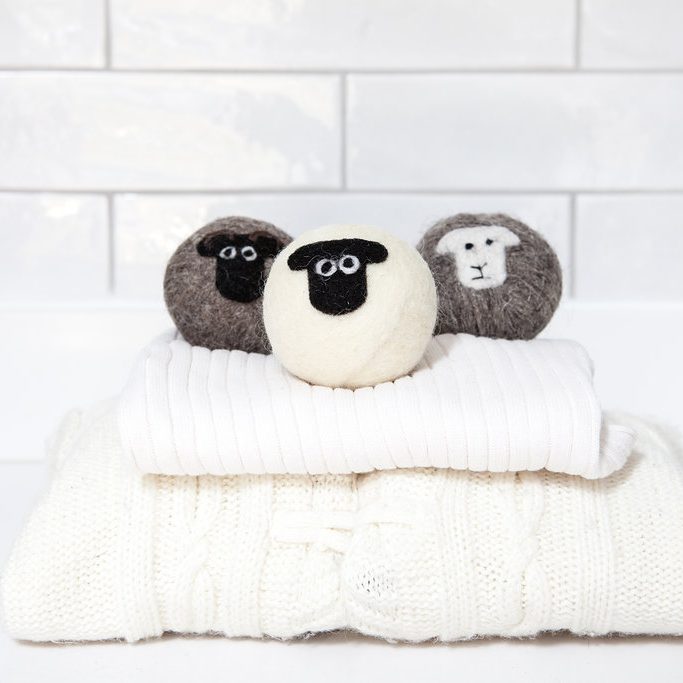
British Wool Dryer Balls Pack of 3 Mixed Sheep
British Wool
- • British wool
- • Suffolk, Shetland and Herdwick
Honest caveat: They do the same job as cheaper wool balls; you are paying for provenance. As with all dryer balls, the evidence for energy savings is thin.
£24
shop.britishwool.org.uk

Ecoliving Plastic-Free Kitchen Starter Set Large
Ecoliving
- • Brush, spare head, pot brush
- • Loofah and coconut pad
Honest caveat: Bundles can include things you will not use. Natural fibres wear out faster than plastic, so budget for refills.
£21.95
babipur.co.uk
We may earn a commission if you buy through our links. How we choose ›
How strong is the research? What our grades mean ›
- Strong research
- Independent certification or lab data for the specific claim.
- Promising research
- The material is well supported, but there is no product-level testing.
- Early research
- Little independent research.
- Mixed research
- Research findings disagree.
- £
- Under £20
- ££
- £20 to £79
- £££
- £80+
Our picks at a glance
| Product | Best for | Material/key feature | Price | Evidence grade |
|---|---|---|---|---|
| Ecoliving Long Handle Wooden Dish Brush | Best dish brush | Beech, tampico bristles, replaceable head | £11.95 | Early |
| Redecker Dish Brush Tampico Fibre | Budget dish brush | Oiled beech, scraper edge | £7.68 | Early |
| Ecoliving Compostable Sponge 2 Pack | Foam sponge swap | Cotton, wood pulp and flax | £4.30 | Early |
| Wild & Stone Swedish Dish Cloth (4) | Kitchen roll and microfibre swap | 70% FSC cellulose, 30% cotton | £5.50 | Early |
| Bee's Wrap Assorted 3 Pack | Cling film swap | Beeswax, resin, jojoba, organic cotton | £23 | Early |
| Lakeland Wool Dryer Balls (3) | Budget dryer sheet swap | 100% wool | £5.99 | Early |
| British Wool Dryer Balls (3) | Traceable British wool | Suffolk, Shetland, Herdwick wool | £24 | Early |
| Ecoliving Kitchen Starter Set Large | Whole-sink swap in one box | FSC wood, plant fibres, cellulose cloths | £21.95 | Early |
What are the easiest plastic-free kitchen swaps?
The quickest wins are the things you replace often: sponges, cloths, dish brushes, cling film and dryer sheets. Swapping these cuts plastic waste every month. For food storage, which matters more for what touches your food, see our separate guides to glass food storage and stainless steel lunch boxes, where we cover Pyrex, Kilner and Elephant Box.
It helps to be clear about why you are swapping. Some swaps reduce plastic that touches food or sheds into your kitchen. Others mainly cut waste going to landfill. Both are worthwhile, but they are different reasons.
| Swap | Main benefit | Evidence |
|---|---|---|
| Foam sponge to cellulose sponge | Less plastic shed into sink water; compostable | Early: sponges shed fibres as they wear, but little product testing |
| Microfibre cloth or kitchen roll to Swedish dishcloth | Less waste; no synthetic fibres | Early |
| Plastic brush to wooden brush | Less plastic waste; compostable head | Early |
| Cling film to beeswax wrap | Less single-use plastic | Early: reduces waste; not for raw meat |
| Dryer sheets to wool balls | No added fragrance or softener chemicals | Early: energy claims unproven |
Are wooden dish brushes and cellulose sponges hygienic?
Every kitchen sponge and brush picks up bacteria, whatever it is made of. A 2017 study in Scientific Reports found used kitchen sponges held up to 54 billion bacterial cells per cubic centimetre, and that sponges people said they cleaned regularly still carried potentially harmful species. The lesson is not that plant-based sponges are better or worse, but that all sponges should be rinsed, squeezed and dried between uses and replaced often.
Wooden brushes dry faster than sponges because the bristles are exposed, which helps. Stand them head-up, or hang them, so water does not sit in the head.
Why swap foam sponges and plastic tools at all?
Conventional sponges are polyurethane foam with a nylon or polyester scourer. As they wear they break into small pieces that go down the drain. Lab studies show plastic kitchen items shed particles with use: for example, plastic chopping boards shed microplastics when cut, and plastic food containers release far more particles when heated. We could not find equivalent testing for sponges specifically, so we grade this swap as early evidence. The UK Committee on Toxicity says the health effects of swallowed microplastics cannot yet be fully assessed. Cutting your exposure where it is cheap and easy is reasonable; expecting a measurable health change is not.
How we chose
We picked items sold by UK retailers, checked live pages and prices in October 2026, and looked for clear material lists. We favoured products with replaceable parts, FSC-certified wood or cellulose, and honest care instructions. We skipped items whose UK stock or price we could not confirm.
Ecoliving Long Handle Wooden Dish Brush: best dish brush
Beech handle, tampico (agave) bristles, no plastic or metal, and a head you can swap without replacing the handle. Made in Germany. Caveat: plant bristles wear faster than nylon, so expect a new head every couple of months.
Redecker Dish Brush Tampico Fibre: budget pick
A classic oiled beech brush with a scraper edge, under £8 at Fred Aldous. Caveat: the head is not replaceable, so the whole brush is replaced when worn.
Ecoliving Compostable Sponge: best sponge swap
Made in the UK from cotton, wood pulp and flax, with no foam or plastic scourer, and home compostable. Caveat: no scrubbing layer, and like any sponge it needs drying and regular replacing.
Wild & Stone Swedish Dish Cloths: best cloth
These are 70% cellulose from FSC-marked forests and 30% waste cotton, made in Sweden. They soak up a lot, dry quickly and can be machine washed many times. Caveat: they go stiff when dry, which is normal, and should be washed hot often.
Bee's Wrap Assorted 3 Pack: best cling film swap
Organic cotton coated in beeswax, tree resin and jojoba oil, in three sizes. Good for bowls, cheese, bread and half-used veg. Caveat: wash only in cool water, so do not use it for raw meat or fish; not vegan, and tree resin can irritate some people.
Wool dryer balls: Lakeland budget pick and British Wool premium pick
Lakeland's three 100% wool balls cost £5.99; British Wool's pack (£24) uses named UK breeds and supports UK farmers. Both tumble with laundry to separate clothes. Caveat: we found no independent testing of energy savings, and adding essential oils puts fragrance back in.
Ecoliving Kitchen Starter Set Large: best bundle
A wooden dish brush, spare head, pot brush, loofah, coconut pad and four sponge cloths, with FSC-certified wood, for £21.95. Caveat: bundles can include things you will not use.
How do you look after natural cleaning tools?
Natural materials last well if you let them dry. Knock water out of brushes after each use and stand them head-up or hang them. Rinse sponges and Swedish dishcloths in hot water, squeeze them hard and leave them somewhere airy, not in a puddle by the tap. Swedish dishcloths can go in a hot wash or the top rack of the dishwasher every few days. Beeswax wraps should be washed in cool soapy water, air-dried and refreshed with a little wax block or refresher drops when they lose their cling. Wool dryer balls last for years; if they start to felt or shrink, retire them to the compost.
What about food storage?
Swapping what touches your food is a bigger change than swapping what you clean with. Plastic tubs release far more particles when heated, so the most useful single swap is reheating food in glass rather than plastic. Our microwave explainer and our glass food storage and stainless steel lunch box guides cover the best options, from Pyrex Zero Plastic dishes to Kilner jars and Elephant Box tins.
What to avoid
- Beeswax wraps on raw meat or hot food.
- Leaving brushes or sponges sitting wet in the sink.
- Products labelled "eco" with no material list.
- Throwing out working plastic items just to replace them; use them up first.
Bottom line
Plastic-free kitchen swaps are cheap, low-risk and cut plastic waste. The evidence that they change your health is early at best, so treat them as sensible housekeeping rather than a health fix. Start with the items you buy most often (sponges, cloths and dish brushes), keep them clean and dry, and put your bigger spend into glass or stainless steel for food storage.
Frequently asked questions
Are Swedish dishcloths worth it?
+
For most kitchens, yes. They are mostly cellulose (wood pulp) with some cotton, soak up a lot of liquid, dry quickly and can be machine washed many times before composting. They replace kitchen roll and microfibre cloths. Wash them hot regularly and keep a separate one for raw meat spills, as any damp cloth can carry bacteria.
Can you use beeswax wraps for raw meat?
+
No. Beeswax wraps can only be washed in cool soapy water, because heat melts the wax, so they cannot be cleaned well enough after raw meat or fish. Use them for cheese, bread, fruit, veg and covering bowls. For raw meat, use a glass or stainless steel container that can be washed hot.
Do wool dryer balls actually work?
+
They tumble with your laundry and separate clothes, which can soften fabrics a little and help air move. They are a fragrance-free alternative to dryer sheets. Claims of large energy savings are mostly from sellers; we found no independent testing, so treat savings as a possible bonus rather than a guarantee.
Are wooden dish brushes hygienic?
+
They are as hygienic as any brush if you look after them. Rinse the brush after use, shake out water and store it head-up or hanging so it dries. Replace the head when bristles splay or smell. Research on kitchen sponges shows all damp cleaning tools collect bacteria, so drying matters more than material.
How long do compostable sponges last?
+
Usually a few weeks of daily use, similar to a foam sponge. Rinse and squeeze them after use, let them dry, and replace them when they start to smell or break apart. At the end of their life they can go in a home compost bin, unlike foam sponges, which are plastic.
Should I throw out my plastic kitchen items now?
+
Not necessarily. Throwing out working items creates more waste. Replace sponges, cloths and brushes as they wear out, and prioritise swapping plastic that touches hot food, such as old containers you microwave, and worn black plastic utensils. Glass and stainless steel are good long-term replacements for food storage.
Last updated