Sleep
Best Red Night Lights, Bulbs and Lamps for Sleep UK (2026)
Quick answer
Red and amber bulbs give usable evening light with far less of the blue light that delays melatonin, the hormone that signals night-time. A red bulb in a bedside lamp and a dim red night light are a low-cost start. Dimming all lights and putting screens away before bed matter just as much.
Our picks

BlockBlueLight Twilight Red Light Bulb
BlockBlueLight
- • Peak 630nm, 1300K
- • Brand reports 0% output from 380 to 580nm
Honest caveat: The spectrum report is the brand’s own, not independent. At 400 lumens it is bright for a red bulb, and brightness matters too, so use it in a lamp rather than an overhead fitting. It is not dimmable.
£19.95
blockbluelight.co.uk

BlockBlueLight Sweet Dreams Sleep Light Bulb
BlockBlueLight
- • Amber 1800K, peak 585nm
- • Brand reports 0% output from 380 to 500nm
Honest caveat: It still emits green-yellow light (peak 585nm), which has a smaller but real effect on the body clock at high brightness. Brand spectrum data only, not dimmable.
£19.95
blockbluelight.co.uk

BON CHARGE Plug In Night Light
BON CHARGE
- • 600 to 640nm red, peak 630nm
- • 50 lumens, 0.5W
Honest caveat: The spectrometer result shown is from the brand. Check you select the UK plug at checkout, as the default variant listed is the US/Canada plug.
£29.99
boncharge.com

BON CHARGE Blue Light Blocking Lamp
BON CHARGE
- • Peak 630nm, 1200K
- • Brand reports 0% output from 380 to 580nm
Honest caveat: At 85 lumens it is dim, which is the point, but some people find red light tiring for long reading. Spectrum data is the brand’s own.
£44.99
boncharge.com

Lumie Bodyclock Shine 300
Lumie
- • Warm white, orange and red LEDs
- • 15 to 90 minute sunset and sunrise
Honest caveat: Class I medical devices are self-declared by the maker rather than assessed by an independent body, and the evening sunset feature has much less research behind it than morning light. The sunset dims warm light rather than delivering pure red.
£149 typical price
Amazon · Lumie
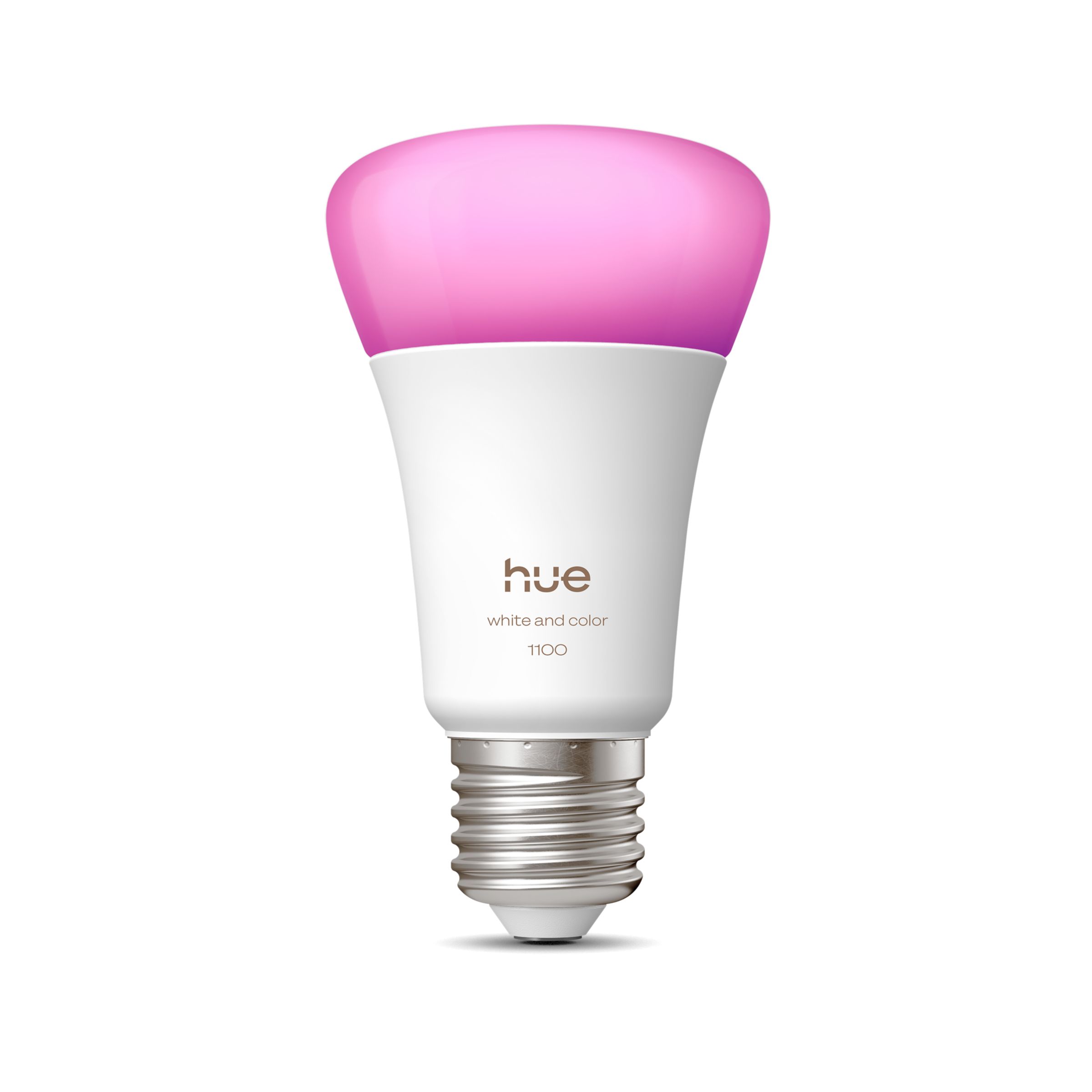
Philips Hue White and Colour Ambiance A60 E27 1100
Philips Hue
- • Up to 1,100lm, 8.1W
- • Dims to 0.2%
Honest caveat: Philips does not publish the spectrum of its red or amber settings, so we cannot confirm how much blue and green light remains; pick the deepest red and keep it dim. It costs more than a dedicated red bulb and uses a little standby power.
£54.99
philips-hue.com
We may earn a commission if you buy through our links. How we choose ›
How strong is the research? What our grades mean ›
- Strong research
- Independent certification or lab data for the specific claim.
- Promising research
- The material is well supported, but there is no product-level testing.
- Early research
- Little independent research.
- Mixed research
- Research findings disagree.
- £
- Under £20
- ££
- £20 to £79
- £££
- £80+
Our picks at a glance
| Product | Best for | Key feature | Price | Evidence grade |
|---|---|---|---|---|
| BlockBlueLight Twilight Red Light Bulb | Bedside and reading lamps | Peak 630nm, brand reports nothing from 380 to 580nm | £19.95 | Promising |
| BlockBlueLight Sweet Dreams Sleep Light Bulb | Whole-room evening light | Amber 1800K, 700lm | £19.95 | Promising |
| BON CHARGE Plug In Night Light | Hallways and night-time trips | 50lm red, motion mode, UK plug | £29.99 | Promising |
| BON CHARGE Blue Light Blocking Lamp | Reading a book in bed | Rechargeable red gooseneck lamp | £44.99 | Promising |
| Lumie Bodyclock Shine 300 | Sunset fade and sunrise alarm | Orange and red sunset, 15 to 90 min | £149 typical price | Early |
| Philips Hue White and Colour Ambiance A60 E27 1100 | Bright by day, red by night | Dims to 0.2%, schedules | £54.99 | Early |
Grades reflect how well the product's own claims are backed (most spectrum data is from brands) plus the research on evening light.
Why does light at night matter for sleep?
Your body releases melatonin (a hormone that signals night-time) as it gets dark. Light in the evening, especially blue light around 450 to 480nm, holds that signal back. A classic study mapped this sensitivity and found it peaks in the blue range with much weaker effects from red (Brainard et al.). Ordinary room light before bed suppressed and shortened melatonin compared with dim light (Gooley et al.), and reading on a light-emitting tablet delayed sleepiness and next-morning alertness compared with a paper book (Chang et al.).
Harvard Health suggests using dim red lights for night lights and avoiding bright screens two to three hours before bed (Harvard Health), and the NHS advises avoiding phones, tablets and computers for an hour before bed (NHS). An expert consensus recommends keeping evening light low for the three hours before bed and the bedroom as dark as possible (Brown et al.).
How we chose
We looked for products sold to UK buyers in GBP with a working buy page, and checked:
- Spectrum: peak wavelength and whether the brand publishes how much blue and green light is removed.
- Brightness (lumens): dim matters as much as colour.
- Fitting and plug: E27 screw or B22 bayonet bulbs, and a UK plug option for night lights.
- Flicker, dimming and price.
We did not measure spectra ourselves. For daytime and flicker-free lighting, see our guide to incandescent and flicker-free circadian lighting.
What does the evidence say about red light for sleep?
| Claim | Evidence grade | Best evidence |
|---|---|---|
| Bright evening light delays melatonin | Strong | Gooley 2011; Chang 2015 |
| Red light suppresses melatonin less than blue | Strong | Brainard 2001 |
| Red light bulbs improve sleep quality | Mixed | Zhao 2012; Pan 2023 |
| Red light boosts melatonin above normal | Early | Small studies only |
The best direct study is small: 20 basketball players who had red light therapy for 14 nights reported better sleep and had higher melatonin, but there was no placebo light (Zhao et al.). A 2023 sleep-lab study went the other way: red light before bed increased alertness, anxiety and negative mood in both healthy people and people with insomnia (Pan et al.). Brightness and timing probably explain much of the difference. So the case for red bulbs is mainly that they give you usable light with less of the wavelengths that matter most, not that red light is a sleep aid.
BlockBlueLight Twilight Red Light Bulb: our top pick?
A deep orange-red bulb (1300K, peak 630nm) that BlockBlueLight says emits nothing between 380 and 580nm, covering blue and green. It comes in E27 and B22 and costs under £20. Use it in a bedside or reading lamp for the last hour or two of the evening. Caveat: the spectrum report is the brand's own, it is not dimmable, and at 400 lumens it is fairly bright for a red bulb.
BlockBlueLight Sweet Dreams Sleep Light Bulb: for main rooms?
An amber bulb (1800K, 700 lumens) for living room lamps when red feels too gloomy. The brand reports no output below 500nm. Caveat: it still gives off green-yellow light (peak 585nm), so it is a step down in blue rather than a red-only bulb. Not dimmable.
BON CHARGE Plug In Night Light: best for hallways?
A small 50-lumen red night light (600 to 640nm) with constant and motion-sensing modes, so a night-time bathroom trip does not mean switching on bright overhead lights. Caveat: select the UK plug variant at checkout, and the spectrometer result shown is from the brand.
BON CHARGE Blue Light Blocking Lamp: for reading in bed?
A rechargeable gooseneck lamp with a 630nm peak and three brightness levels, useful for reading a paper book without lighting the whole room. Caveat: 85 lumens is dim, and some people find red light tiring to read by for long.
Lumie Bodyclock Shine 300: is a sunset lamp worth it?
Lumie, a UK brand, uses warm white, orange and red LEDs to fade the light over 15 to 90 minutes at bedtime and brighten it again before your alarm. It is listed as a Class I medical device under UK rules. Caveat: Class I is self-declared by the maker, and the sunset feature has much less research behind it than morning light; it dims warm light rather than giving pure red.
Philips Hue White and Colour Ambiance: can a smart bulb do the job?
One bulb can give bright white light by day and a deep red or amber scene in the evening on a schedule, dimming as low as 0.2%. It works over Bluetooth without a Bridge. Caveat: Philips does not publish the spectrum of its red setting, so pick the deepest red and keep it dim. It costs more than a dedicated red bulb.
If you already own the BON CHARGE Blue Light Blocking Light Bulb, it does a similar job to the Twilight bulb. For general daytime lighting we cover the Philips Hue White Ambiance A60 E27 1100 and the Philips LED WarmGlow P45 E14 Clear (CRI 90) separately.
What matters as much as the bulb?
- Brightness: dimming any warm bulb cuts the signal to your body clock a lot. A dim warm lamp may do as much as a bright red one.
- Screens: phones and tablets held close to your face are often the brightest light you see at night. Use night mode, dim the screen or put it away an hour before bed.
- Morning light: getting outside in daylight in the morning helps your body clock as much as dim evenings do.
- A dark bedroom: switch the night light off or to motion mode once you are in bed.
What to avoid
- Claims that a bulb "boosts melatonin" or treats insomnia: the evidence does not show this.
- Unbranded red bulbs with no fitting, lumen or wavelength details.
- Red light therapy bulbs (high-power 660/850nm "therapy" lamps) for bedside lighting: they are designed for a different job and are often far too bright.
- Red or blue light for babies' rooms without checking current NHS advice on baby sleep; a very dim night light used only when needed is enough.
Bottom line
For most people, a £20 red or amber bulb in the bedside lamp, dimmer lights through the evening and less screen time before bed is the practical, low-cost combination. Start with the BlockBlueLight Twilight Red Light Bulb for reading lamps and a red night light for night-time trips. If you still struggle with sleep for weeks, speak to your GP.
Frequently asked questions
Does red light help you sleep?
+
Red light affects your body clock much less than blue or white light, so it lets you see in the evening while keeping melatonin disruption low. Direct evidence that red light improves sleep comes from small studies with mixed results, and one sleep-lab study found it raised alertness. Dim lighting and less screen time before bed are just as important as the colour of the bulb.
Is red or amber light better at night?
+
Deep red (around 620 to 660nm) contains the least light in the blue and green range that affects melatonin most, so it is best for the last hour or two before bed. Amber is brighter and easier to live with in living rooms earlier in the evening. Many people use amber in main rooms and red at the bedside.
Should I sleep with a red night light on?
+
Darkness is best once you are asleep. Expert recommendations suggest keeping the bedroom as dark as possible. A dim red night light on a motion sensor is a good compromise for night-time trips to the bathroom or checking on children, without switching on bright overhead lights.
Can I just use a smart bulb set to red?
+
Yes, a smart colour bulb such as Philips Hue can be scheduled to switch to red or amber in the evening and dim very low. The downside is that most brands do not publish the spectrum of their red setting, so some blue or green light may remain. Choose the deepest red and keep it dim.
Do blue light blocking bulbs work as well as glasses?
+
They do different jobs. Red or amber bulbs change the light in the room for everyone, while glasses filter light reaching your eyes from any source, including screens. Neither has strong trial evidence for improving sleep on its own. Dimming lights and putting screens away an hour before bed, as the NHS suggests, matter as much.
Will red bulbs fit UK light fittings?
+
Check your fitting. Most UK ceiling lights and lamps use B22 bayonet or E27 screw; smaller lamps may use E14. BlockBlueLight offers E27 and B22 versions of its red and amber bulbs, and an E14 version separately. Night lights should have a UK plug option, which you may need to select at checkout.
Last updated