Trends Explained
Incandescent Bulbs, Flicker-Free LEDs and Circadian Lighting: What the research Says (UK 2026)
Quick answer
You do not need incandescent bulbs for healthier lighting. Sleep studies show bright evening light of any kind delays melatonin, so warm (2700 K or lower), dimmable bulbs at night matter most. EU scientists found no evidence LEDs harm healthy people in normal use, and UK rules have capped LED flicker since 2021.
Our picks
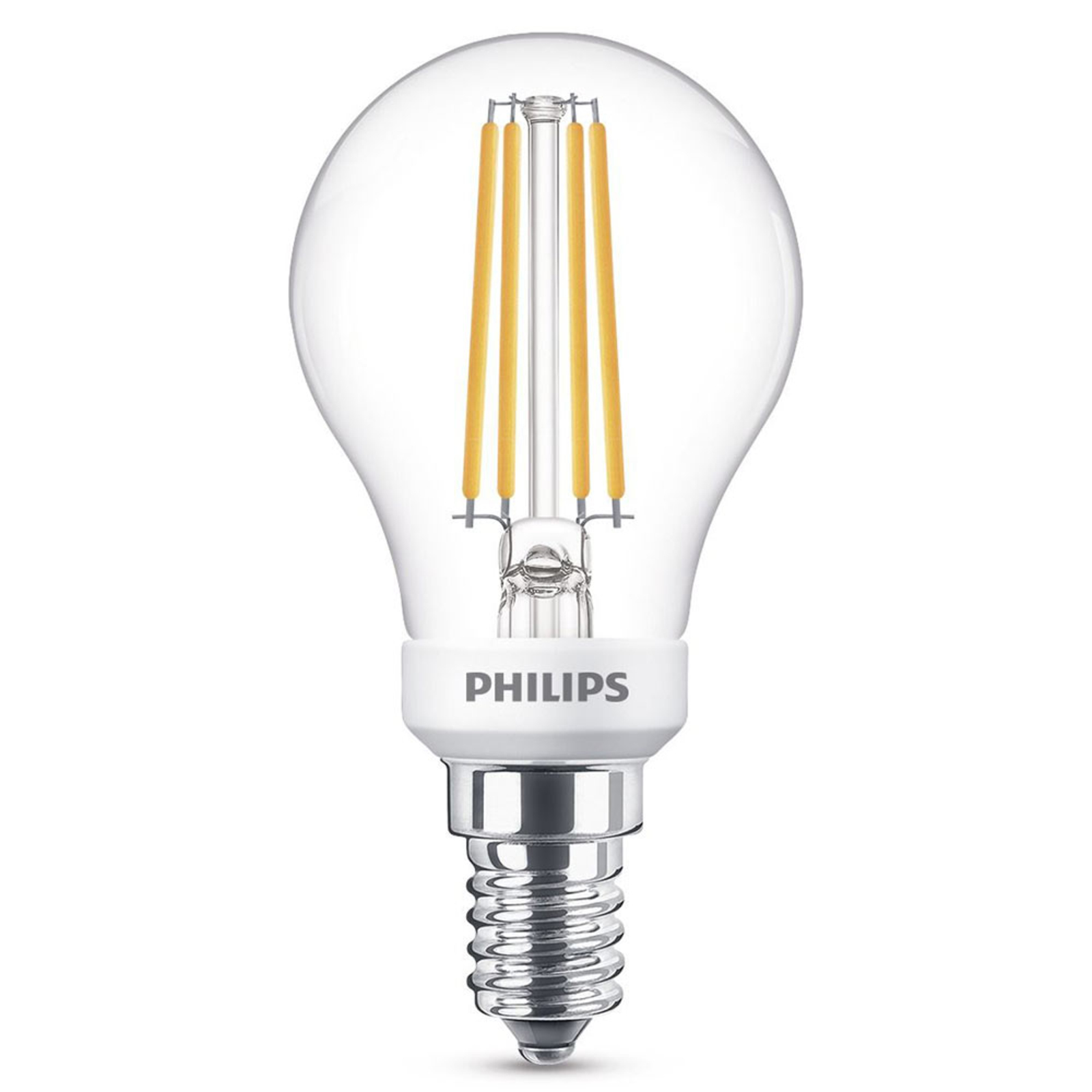
Philips LED WarmGlow P45 E14 Clear (CRI 90)
Philips
- • 2700 K, gets warmer when dimmed
- • CRI (Ra) 90
Honest caveat: Needs a compatible dimmer to get the warm-dim effect. 475 lumens is lamp-level brightness only. Flicker figures when dimmed are not published.
Philips

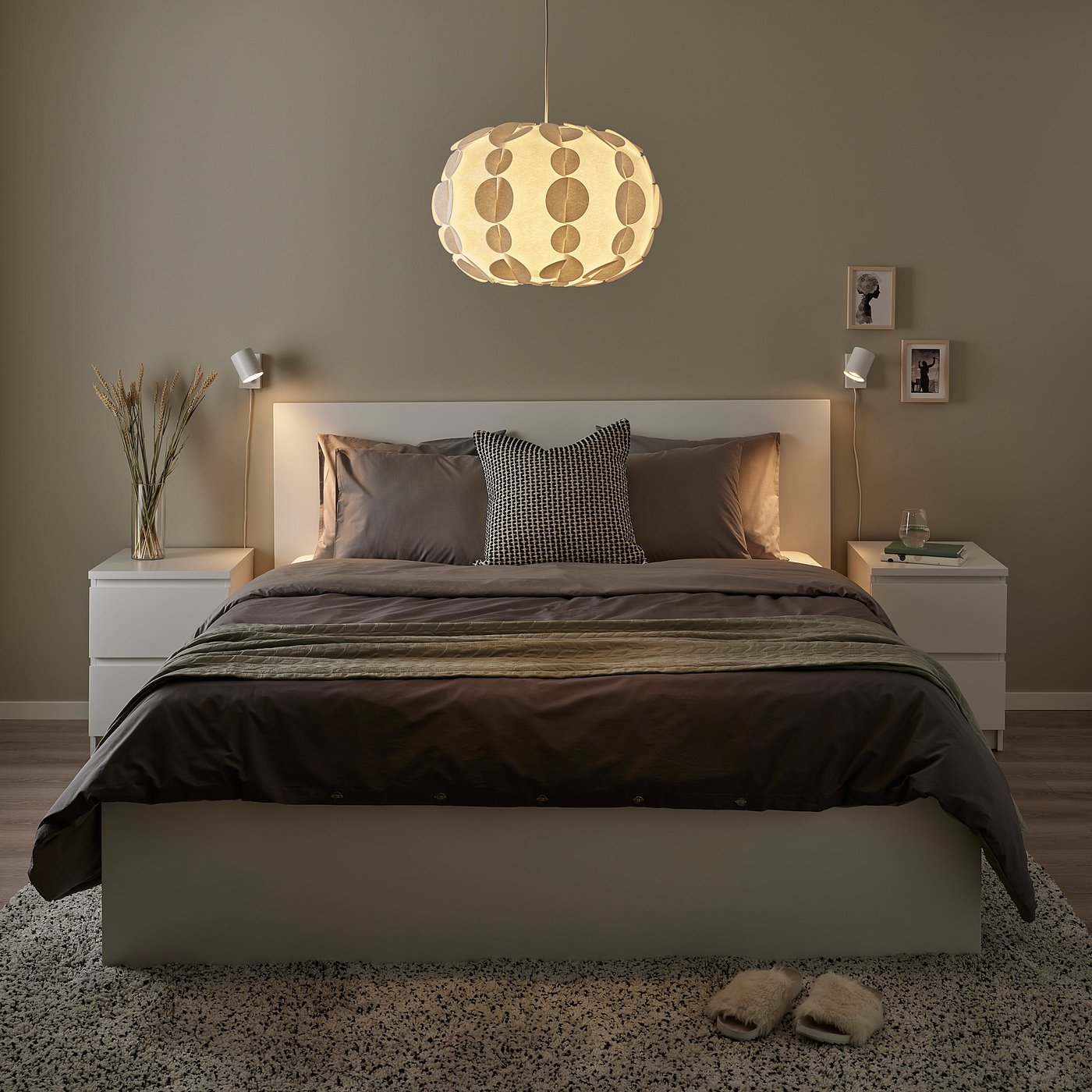
IKEA SOLHETTA LED bulb E27 806 lm dimmable
IKEA
- • 2700 K warm white, dimmable
- • 806 lumens (about a 60 W old bulb)
Honest caveat: IKEA does not publish a CRI or flicker figure on the page. Like every LED sold in Great Britain it must meet the legal flicker limits at full brightness, but dimmed behaviour is not regulated.
IKEA
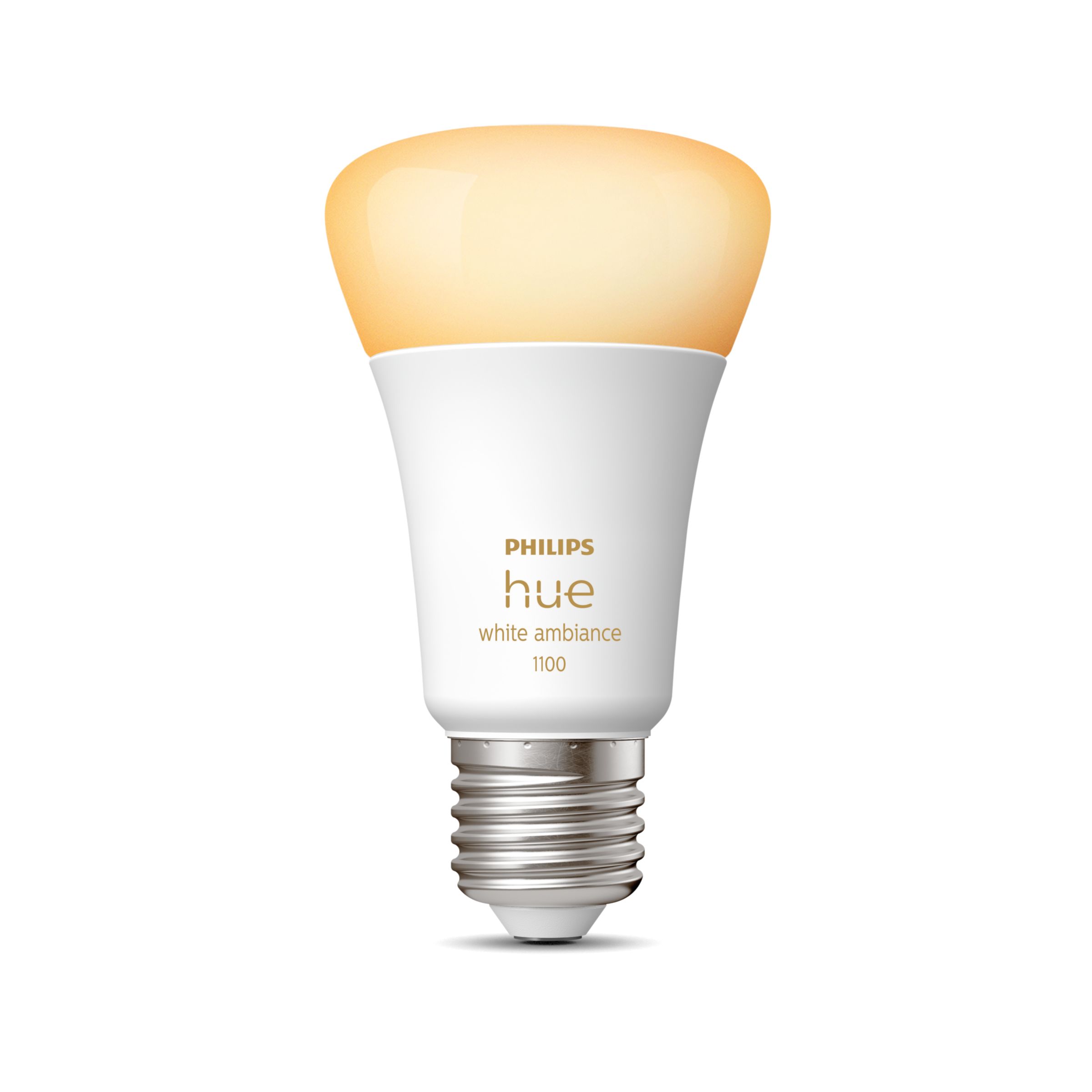
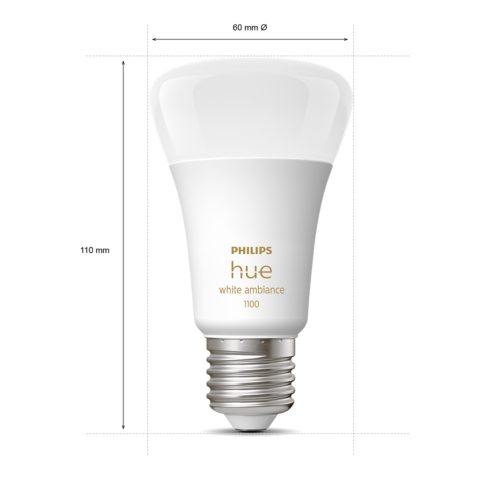
Philips Hue White Ambiance A60 E27 1100
Philips Hue
- • 2200 to 6500 K tunable
- • Up to 1,055 lumens
Honest caveat: CRI is only 80 or above, and flicker data are not published. Sale price was £20.99 (RRP £34.99) when checked. Voice control and some automations need a Hue Bridge.
Philips Hue


BON CHARGE Blue Light Blocking Light Bulb
BON CHARGE
- • Red light, brand states no blue or green
- • Brand states flicker-free
Honest caveat: Claims that it ’stimulates’ melatonin go beyond the evidence: removing blue light reduces suppression, it does not boost production. No independent spectrum test is published.
BON CHARGE
We may earn a commission if you buy through our links. How we choose ›
How strong is the research? What our grades mean ›
- Strong research
- Independent certification or lab data for the specific claim.
- Promising research
- The material is well supported, but there is no product-level testing.
- Early research
- Little independent research.
- Mixed research
- Research findings disagree.
- £
- Under £20
- ££
- £20 to £79
- £££
- £80+
A growing online trend says LED lighting is harming our sleep, eyes and hormones, and that we should return to incandescent bulbs, 'full spectrum' light or red bulbs at night. Some of this is grounded in good science about light and the body clock. Some of it is not. Here is what holds up.
What does the 'go back to incandescent' trend claim?
- LEDs give off too much blue light that disrupts sleep and the body clock (circadian rhythm).
- LEDs flicker invisibly, causing headaches, eye strain and stress.
- Incandescent and halogen bulbs give 'natural', full-spectrum light with near-infrared (heat) that is said to benefit health.
- Red bulbs at night protect melatonin and improve sleep.
Can you still buy incandescent bulbs in the UK?
Mostly no, for general home lighting. Traditional incandescent bulbs were phased out of general lighting under energy-efficiency rules from 2009 to 2012. The UK then went further: mains-voltage halogen bulbs (the 'eco' replacements) were banned from sale in September 2018, most remaining halogens from September 2021, and many fluorescent tubes from September 2023, under the Ecodesign lighting regulations. What you still see online is mostly old stock, specialist lamps (oven, appliance or 'rough service' bulbs), or a few exempt halogen types such as R7 linear lamps. Using bulbs you already own is legal; the rules cover what can be sold.
What does the evidence show?
| Claim | Evidence grade | Best evidence |
|---|---|---|
| Bright or blue-rich evening light delays melatonin and sleep | Strong | Room light before bed delayed melatonin in 99% of people; e-reader study, PNAS 2015 |
| LEDs specifically harm health at normal home use | None | EU SCHEER opinion 2018: no evidence of direct adverse effects in the general healthy population |
| Invisible LED flicker can cause headaches or eye strain in some people | Limited | 2026 focused review: suggestive but not causal; SCHEER flags flicker at 100 Hz as a potential concern |
| Incandescent bulbs are healthier than warm LEDs | None | No trials comparing them on health outcomes |
| Red or amber light at night disturbs the body clock less | Moderate | Body clock most sensitive to blue light; Harvard Health summary |
| 'Full spectrum' bulbs improve mood indoors | Limited | Bright light helps SAD at around 10,000 lux; household bulbs are far dimmer (see our SAD lamp guide) |
Evening light and sleep: well supported, but not LED-specific
This is the strongest part of the trend. A Harvard sleep lab study found that ordinary room light in the hours before bed delayed melatonin onset in almost everyone and shortened the melatonin 'night' by about 90 minutes. A second study found reading on a light-emitting e-reader instead of a printed book led to later melatonin release, longer time to fall asleep and lower alertness the next morning. Harvard Health notes that even around 8 lux, dimmer than most table lamps, can have an effect.
The key factors are brightness, colour temperature and timing, not the technology. A bright 6500 K 'daylight' LED at 10pm is a problem; a dim 2200 to 2700 K LED is similar to an old incandescent lamp.
Are LEDs dangerous? What regulators say
The EU's independent scientific committee SCHEER reviewed the evidence in 2018 and concluded there is no evidence of direct adverse health effects from LEDs in normal use (lamps and displays) by the general healthy population. It did note that evening light, including from LEDs and screens, may affect the body clock, that it is not yet clear whether this leads to health harm, and that children and older people may be more sensitive.
LED flicker: real, measurable and now regulated
Many cheap LEDs have a ripple in their light output, often at 100 Hz on UK mains, too fast to see directly. Older research on fluorescent lighting linked this to headaches in some people, and a 2026 review concludes continuous 100 Hz modulation can cause headaches and eye strain in some people and visual discomfort when the eyes move, but that evidence 'suggests caution, not causality'. (The review's lead author works for a UK lighting company, which is worth knowing.) SCHEER also lists flicker as a potential concern.
The good news is that UK law has caught up. Since 2021, LED bulbs sold in Great Britain must meet a visible-flicker limit (Pst LM of 1.0 or less) and, since September 2024, a stroboscopic-effect limit (SVM) of 0.4 or less at full brightness. The international lighting standard IEEE 1789 sets a stricter, risk-based guide used by some specialist makers. Two gaps remain: the legal limits do not apply when a bulb is dimmed, and cheap dimmers paired with non-dimmable bulbs are a common source of noticeable flicker.
Colour rendering (CRI): comfort, not health
The colour rendering index (CRI) measures how naturally colours look, with daylight and incandescent close to 100. CRI 90+ bulbs make skin and food look better. There is no evidence that CRI itself affects health, but it is a good sign of a better-made bulb.
Who might reasonably change their lighting?
- Anyone who struggles to fall asleep and uses bright, cool white lights late in the evening.
- People who notice headaches or a 'shimmer' under certain bulbs, especially when dimmed.
- Night-time wakers, parents doing night feeds, or anyone who needs a light at 3am.
Who should be careful?
- Do not stockpile or hunt down halogen or incandescent bulbs for health reasons. They use roughly five times more electricity, run hot (a burn and fire risk near fabrics) and offer no proven health advantage over a warm, well-made LED.
- People with photosensitive epilepsy should avoid visible flicker and strobe effects and follow their specialist's advice.
- Red or amber bulbs are too dim and colour-distorting for stairs, kitchens or reading, which raises trip and cut risks.
If you want to improve your lighting: what to look for
- Warm colour temperature (2700 K or lower) for evening lamps. Look for 'warm white' or 'extra warm' and the Kelvin number on the box.
- Dimmable bulbs on a compatible dimmer, or 'dim to warm' bulbs that turn more orange as they dim.
- CRI 90 or above if you can find it, as a quality signal.
- Flicker information. Look for 'flicker-free' backed by a figure, or brands that publish Pst and SVM values. If a bulb visibly shimmers on camera (point your phone at it in slow-motion mode), swap it.
- A dim red or amber light for night-time wake-ups, rather than switching on the main light.
- Bright light in the morning, ideally daylight outdoors, to anchor your body clock.
How we chose
We picked bulbs that make the evidence-backed change (warmer, dimmer evening light) easy and affordable, checked colour temperature, CRI and price on UK pages in October 2026, and added one night-time red bulb. We did not measure flicker; where makers do not publish flicker figures we say so. We do not recommend buying halogen or incandescent stock.
Our picks at a glance
| Product | Best for | Material/key feature | Price | Evidence grade |
|---|---|---|---|---|
| Philips LED WarmGlow P45 E14 (CRI 90) | Evening lamps | Dims to warmer light, CRI 90 | £7.49 | Moderate |
| IKEA SOLHETTA E27 806 lm dimmable | Budget whole-house swap | 2700 K, dimmable | £5 (2-pack) | Moderate |
| Philips Hue White Ambiance A60 E27 | Automatic day-to-night shift | 2200 to 6500 K tunable | £20.99 | Moderate |
| BON CHARGE Blue Light Blocking Light Bulb | Night-time wake-ups | Red light, no blue (brand claim) | £19.99 | Limited |
Philips LED WarmGlow P45 E14 (CRI 90): top pick
WarmGlow bulbs behave like an old filament lamp: as you dim them, the light turns warmer and more orange. This one has a CRI of 90 at 2700 K and costs £7.49. Caveat: you need a compatible dimmer to get the warm-dim effect, and Philips does not publish dimmed flicker figures.
IKEA SOLHETTA E27 806 lm dimmable: budget pick
At £5 for two, the cheapest way to replace cool white bulbs with warm 2700 K, dimmable ones throughout the house. Caveat: no published CRI or flicker data beyond the legal minimum.
Philips Hue White Ambiance A60 E27: premium pick
Tunable from bright 6500 K to very warm 2200 K, and can be scheduled so lights shift automatically through the day. Caveat: CRI is only 80+, it needs an app, and the £20.99 price was a sale (RRP £34.99).
BON CHARGE Blue Light Blocking Light Bulb: also consider for night-time
A red bulb for a bedside or bathroom lamp you switch on at night, so you can see without a burst of bright light. Caveat: the claim that it 'stimulates' melatonin is overstated, and the spectrum claim is the brand's own.
A note on halogen and 'full spectrum' bulbs
Halogen bulbs do give a continuous spectrum and high CRI, and they do not flicker much. But you can get most of the benefit from a warm, high-CRI LED on a good dimmer, at a fraction of the running cost. 'Full spectrum' household bulbs are not bright enough to act as light therapy; for winter mood, a proper SAD lamp is the evidence-based option.
Bottom line
You do not need incandescent bulbs to light your home well. Use bright light by day, then switch to warm (2700 K or lower), dimmable lamps in the evening, keep overhead lights off late at night, and use a dim red or amber light for night-time trips. Choose reputable LEDs, avoid pairing non-dimmable bulbs with dimmers, and replace any bulb you can see flickering.
Frequently asked questions
Are incandescent bulbs banned in the UK?
+
Traditional incandescent bulbs for general lighting were phased out under energy-efficiency rules from 2009 to 2012, mains-voltage halogens were banned from sale in 2018 and most remaining halogens in September 2021. You can still use bulbs you own. What is sold today is mainly old stock, specialist appliance bulbs or a few exempt halogen types.
Are LED lights bad for your health?
+
The EU scientific committee SCHEER found no evidence of direct adverse health effects from LEDs in normal use for healthy people. It noted that evening light from any source, including LEDs and screens, may affect the body clock, and that flicker is a potential concern. Choosing warm, dimmable LEDs for the evening addresses the main issue.
What does flicker-free mean on a light bulb?
+
It usually means the light output has little or no ripple. Since 2021 every LED bulb sold in Great Britain must meet a visible-flicker limit (Pst LM of 1.0 or less) and, since September 2024, a stroboscopic limit (SVM of 0.4 or less) at full brightness. 'Flicker-free' is not a legally defined term, so look for published figures.
What colour light is best before bed?
+
Dim, warm light. Studies show bright room light before bed delays melatonin, and the body clock is most sensitive to blue-rich light. Aim for 2700 K or lower and dim lamps in the last hour or two before sleep. For night-time wake-ups, a dim red or amber light disturbs the body clock least.
Do red light bulbs help you sleep?
+
A red bulb is a sensible choice for night lights because the body clock is least sensitive to red wavelengths, so it disturbs melatonin less than white light. There is no good evidence that red bulbs actively improve sleep or boost melatonin, and they are too dim for general lighting or reading.
Is CRI important for healthy lighting?
+
CRI (colour rendering index) measures how natural colours look, with incandescent close to 100. CRI 90 or above makes rooms look better and is a sign of a better-made bulb, but there is no evidence CRI itself affects health or sleep. Colour temperature and brightness in the evening matter far more.
Last updated