Trends Explained
Best SAD Lamp UK (2026): Light Therapy Lamps Checked Against the research
Quick answer
The best SAD lamp delivers 10,000 lux at a distance you will actually sit at, is UV-free and is a certified medical device. Our top pick is the Lumie Vitamin L (10,000 lux at 20 cm, Class IIa). Trials suggest bright light can ease winter depression, but the NHS and NICE describe the evidence as uncertain.
Our picks
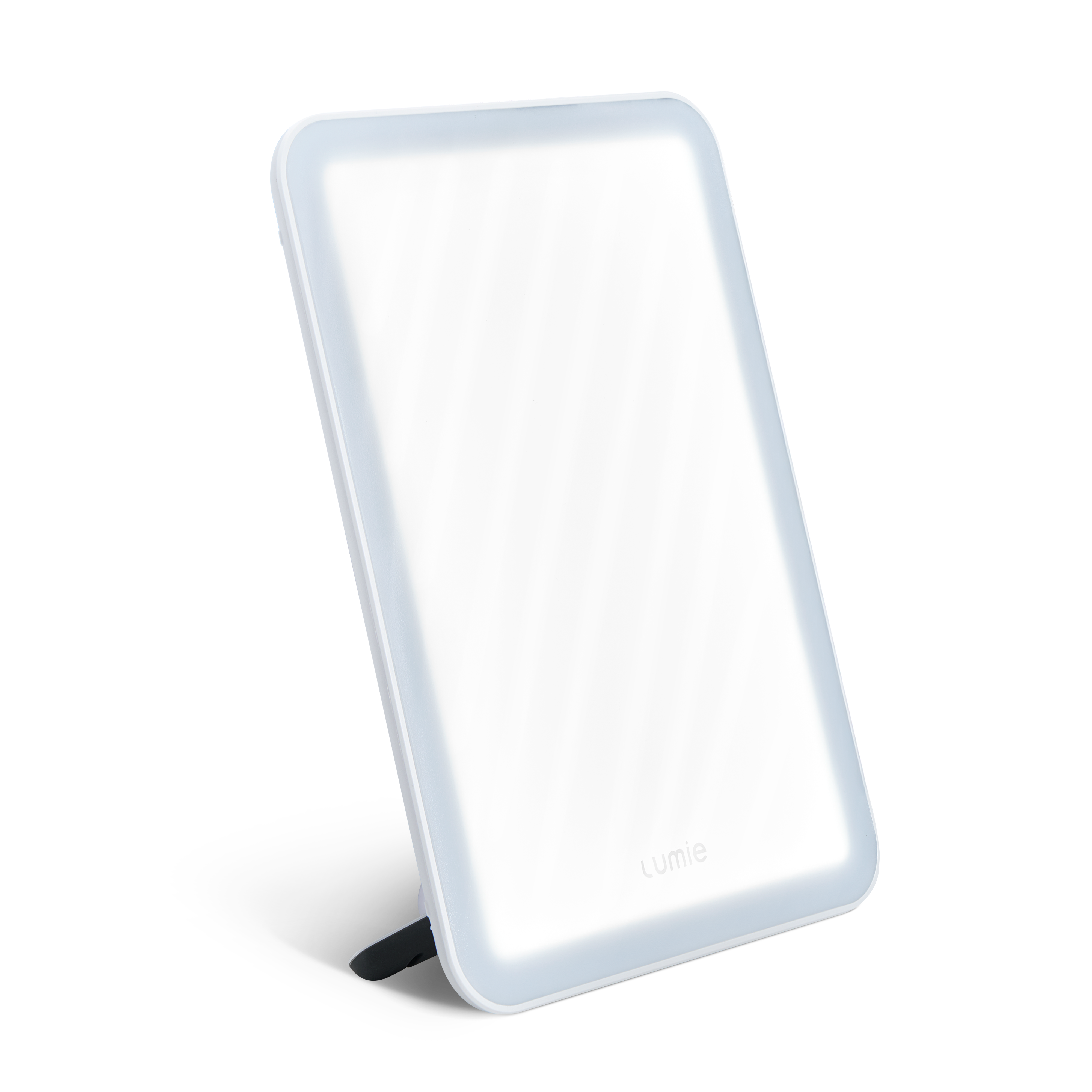

Lumie Vitamin L
Lumie
- • 10,000 lux at 20 cm, 2,500 lux at 50 cm
- • Class IIa medical device (UK MDR 2002)
Honest caveat: 20 cm is close: at a normal reading distance you get far less than 10,000 lux, so sessions need to be longer. Medical device certification covers safety and stated performance, not proof that it will help your mood.
Amazon · Lumie
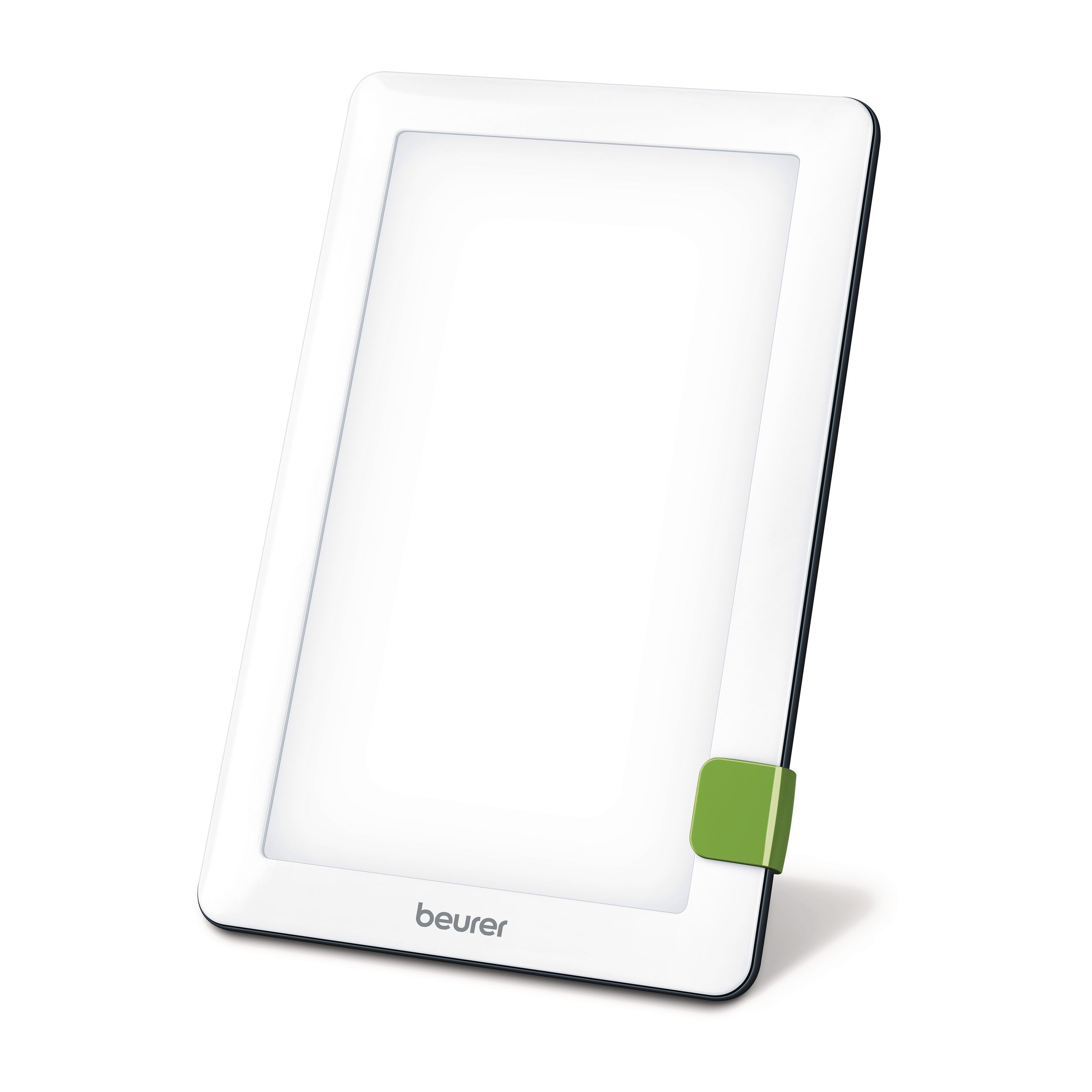
Beurer TL 30
Beurer
- • 10,000 lux at approx. 10 cm
- • Listed as a medical device, UV-free
Honest caveat: 10,000 lux is only reached at about 10 cm, which is closer than most people will sit. Expect much lower brightness at a normal distance and plan longer sessions.
Amazon · Beurer


Lumie Mini
Lumie
- • 10,000 lux at 12 cm, 2,500 lux at 35 cm
- • UV-free, 3-year warranty
Honest caveat: 10,000 lux only at 12 cm; at 35 cm it drops to 2,500 lux, so realistic sessions are long. The product page does not state its medical device class.
Amazon · Lumie
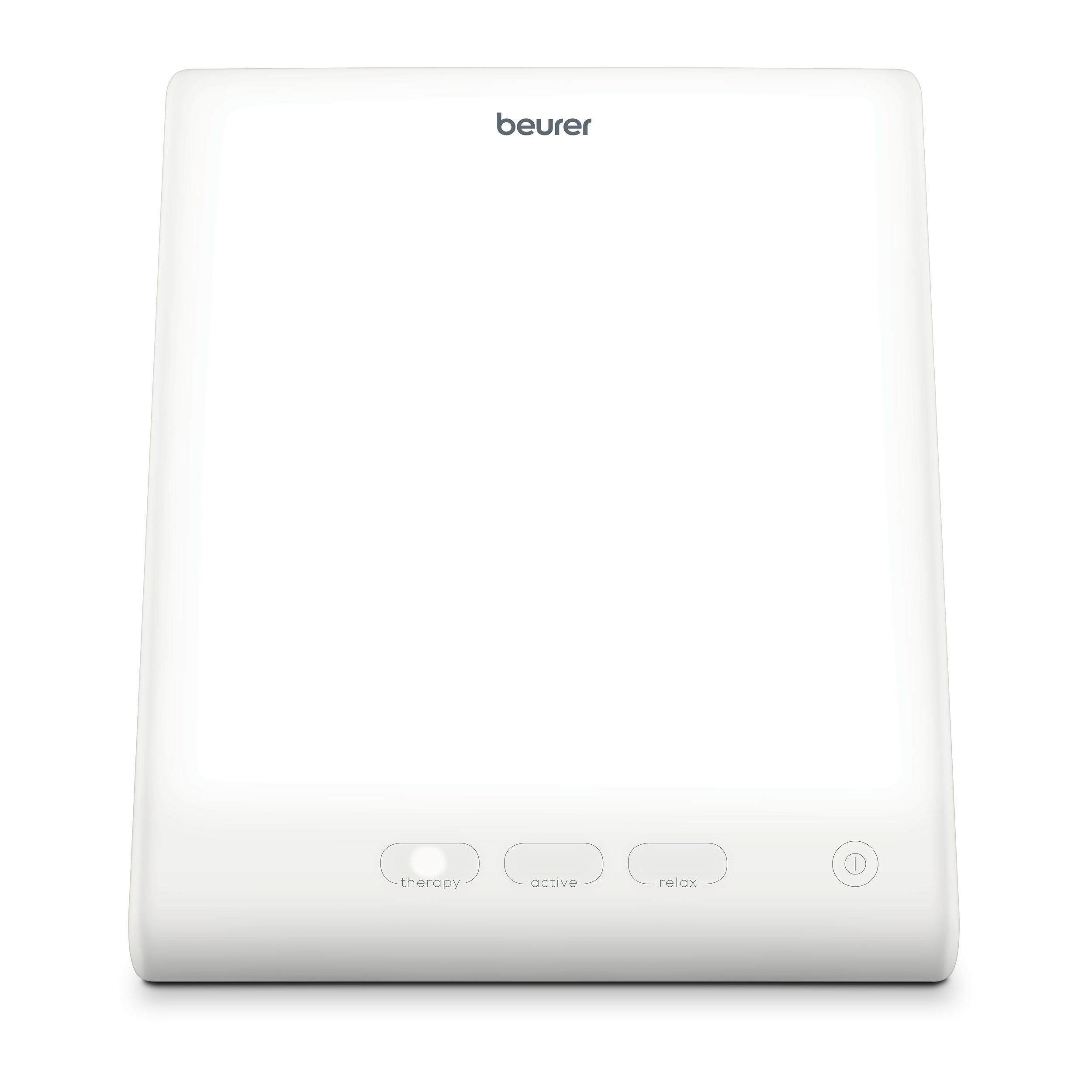
Beurer TL 45 Perfect Day
Beurer
- • 10,000 lux at approx. 20 cm
- • UV-free, medical device
Honest caveat: Beurer does not state the medical device class on the UK page, and gives brightness at only one distance, so it is harder to plan sessions at arm’s length.
Amazon · Beurer
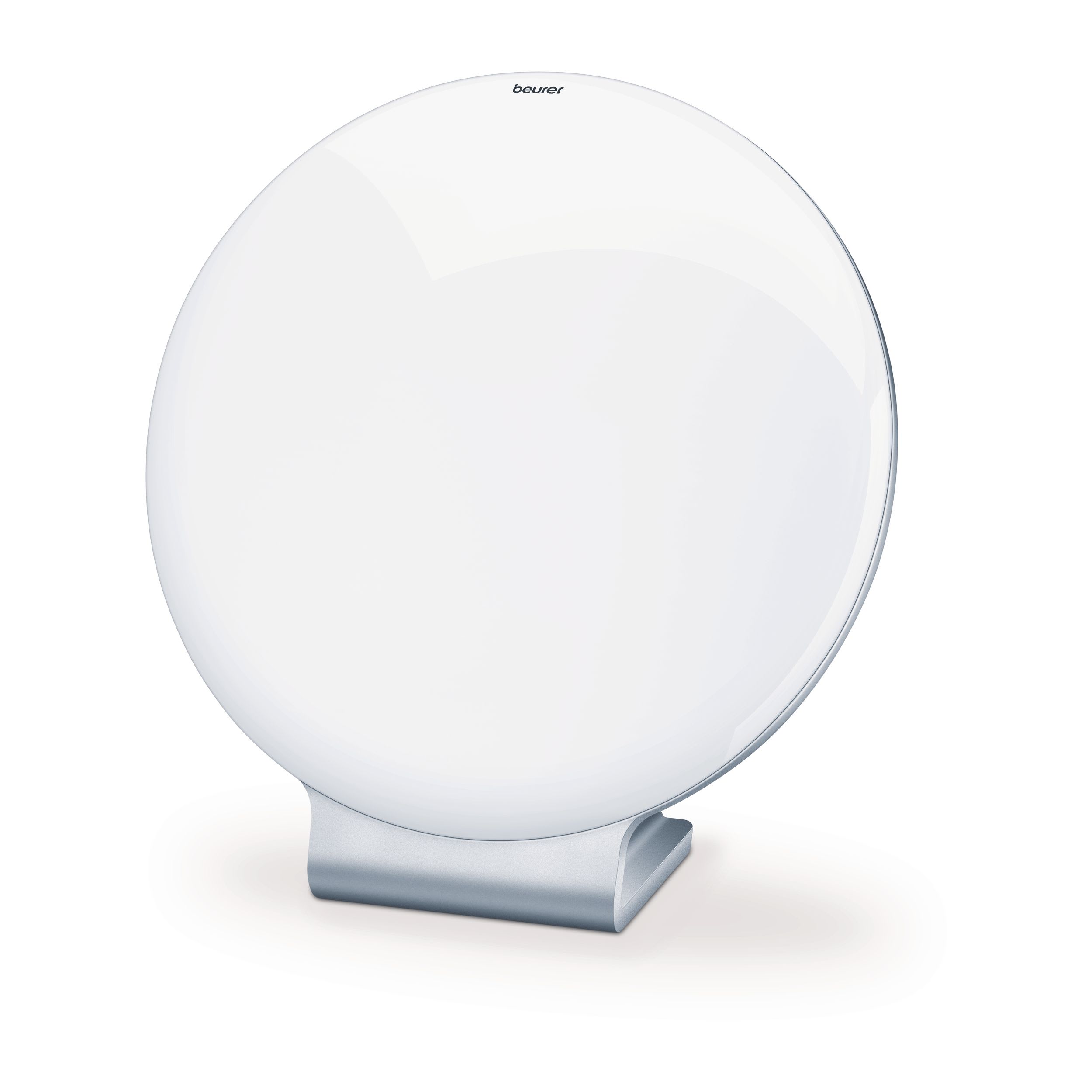
Beurer TL 50
Beurer
- • 10,000 lux at approx. 15 cm
- • 24.6 cm diameter even light area
Honest caveat: 10,000 lux at about 15 cm, so you still need to sit close. Retailer prices vary a lot; the Beurer UK RRP was £89.99 when we checked.
Beurer · Amazon


Lumie Dash
Lumie
- • 10,000 lux at 15 cm
- • CRI 95+, dimmable
Honest caveat: Same 10,000 lux headline as cheaper lamps, reached at 15 cm. High CRI is a comfort feature: there is no trial evidence that it improves results. The page does not state a medical device class.
Amazon · Lumie


Lumie Halo
Lumie
- • 10,000 lux at 20 cm day mode
- • Low-blue evening mode
Honest caveat: Expensive for what the therapy part does; the evening mode is a convenience, not a proven sleep aid. Check the medical device status on the product page if that matters to you.
Amazon · Lumie


Lumie Bodyclock Shine 300
Lumie
- • Sunrise and sunset simulation
- • Much dimmer than a SAD lamp
Honest caveat: A wake-up light is far dimmer than a SAD lamp and the trials behind dawn simulation are small. Think of it as an add-on to, not a swap for, bright light therapy.
Amazon · Lumie
We may earn a commission if you buy through our links. How we choose ›
How strong is the research? What our grades mean ›
- Strong research
- Independent certification or lab data for the specific claim.
- Promising research
- The material is well supported, but there is no product-level testing.
- Early research
- Little independent research.
- Mixed research
- Research findings disagree.
- £
- Under £20
- ££
- £20 to £79
- £££
- £80+
Do SAD lamps actually work?
Seasonal affective disorder (SAD) is depression that comes back at the same time each year, usually autumn and winter. A SAD lamp (also called a light box) gives a much brighter light than normal room lighting, typically 10,000 lux (a unit of brightness at the eye) compared with a few hundred lux indoors.
The evidence is better than for most wellness gadgets, but not watertight:
| Claim | Evidence grade | Best evidence |
|---|---|---|
| Bright light eases symptoms of winter SAD | Moderate | Meta-analysis 2005, 8 trials: effect size 0.84, similar to antidepressant trials; network meta-analysis 2024, 21 trials also positive but low quality |
| Bright light helps non-seasonal depression | Moderate | Randomised trial, 122 people: light alone and light plus fluoxetine beat placebo |
| Using a lamp before winter stops SAD coming back | Limited | Cochrane 2019: only one small trial, too uncertain to conclude |
| Dawn-simulating wake-up lights help SAD | Limited | Meta-analysis 2005, 5 small trials |
| SAD lamps give you vitamin D | None | Lamps are UV-free by design, and UVB is what makes vitamin D in skin |
The NHS says light therapy is not usually available on the NHS because there is not enough evidence to tell whether it is effective, while noting that many people find it helps. NICE guidance says people with winter depression who want to try light therapy instead of medication or talking therapy should be told the evidence is uncertain. Our reading: the trials are small and hard to blind (it is obvious when you are sitting in front of a bright light), but the results point in the same direction and side effects are mild. That makes it a reasonable thing to try alongside, not instead of, proper care.
How to use a SAD lamp
Most trials used 10,000 lux for around 30 minutes, early in the morning, every day through the darker months. Lower brightness needs longer sessions. You do not stare at the lamp: you sit with it to one side of your line of sight while reading, eating breakfast or working. Most people who respond notice a change within one to two weeks. Follow the maker's instructions on distance and timing.
Who should be careful?
The NHS advises speaking to a GP before trying light therapy, and notes it may not be suitable if you have:
- certain eye conditions (for example retinal disease, glaucoma or cataracts, or diabetes affecting the eyes)
- medicines that make you more sensitive to light, which can include some antibiotics, acne treatments, antipsychotics and the herbal remedy St John's wort.
Also:
- Bipolar disorder: a meta-analysis of seven trials found no increased risk of switching into mania with light therapy, but people with bipolar disorder should still only use it with their care team's agreement.
- Evening use can push your body clock later and disturb sleep. Use it in the morning unless told otherwise.
- Mild side effects include headache, eye strain and feeling 'wired'. Sit a little further away or shorten sessions if this happens.
- If you feel hopeless, cannot function or have thoughts of harming yourself, contact your GP, NHS 111 or Samaritans (116 123) straight away. A lamp is not a substitute for treatment.
What to look for when buying a SAD lamp
Following NHS buying advice ('bright enough (10,000 lux is standard), UV-free and has a UKCA or CE mark') and the trial evidence:
- 10,000 lux at a stated distance. This is the most important spec. A lamp giving 10,000 lux at 10 cm is far weaker at arm's length than one giving it at 20 or 30 cm. Brands that list brightness at several distances (Lumie does) make it easier to plan.
- UV-free. The therapeutic effect comes from visible light, so there is no reason to accept UV exposure.
- Medical device status, ideally with the class stated. A Class IIa device has been assessed by an outside body for safety and stated performance. A 'medical device' claim with no class may be self-declared.
- Size and light area. Larger panels give more even light and are more forgiving if you shift position.
- Where you will use it. A slim lamp that sits on the breakfast table gets used. A huge panel that lives in a cupboard does not.
Many very cheap lamps on marketplaces claim 10,000 lux without saying at what distance, and do not show medical device status. That is why our picks come from the two makers that dominate the UK market and publish this information.
How we chose
We checked the UK brand pages for stated lux and distance, UV output, medical device status, size and price in October 2026, and cross-checked availability at UK retailers. We did not measure brightness ourselves. We weighted usable distance and clear specifications above extra features like apps or colour modes.
Our picks at a glance
| Product | Best for | Material/key feature | Price | Evidence grade |
|---|---|---|---|---|
| Lumie Vitamin L | Best overall | 10,000 lux at 20 cm, Class IIa | £99 | Moderate |
| Beurer TL 30 | Budget | 10,000 lux at 10 cm, slim | £69.99 | Moderate |
| Lumie Mini | Cheapest, portable | 10,000 lux at 12 cm | £59.99 | Moderate |
| Beurer TL 45 Perfect Day | Value at 20 cm | 10,000 lux at 20 cm | £74.99 | Moderate |
| Beurer TL 50 | Even round panel | 10,000 lux at 15 cm, 24.6 cm panel | £89.99 | Moderate |
| Lumie Dash | Design and colour quality | CRI 95+, dimmable | £179 | Moderate |
| Lumie Halo | Day and evening modes | 10,000 lux at 20 cm plus low-blue mode | £219 | Moderate |
| Lumie Bodyclock Shine 300 | Dark mornings add-on | Dawn simulation | £149 | Limited |
Lumie Vitamin L: best overall
Lumie states 10,000 lux at 20 cm, 5,000 at 30 cm and 2,500 at 50 cm, which is unusually transparent. It is UV-free, certified as a Class IIa medical device under UK and EU rules, slim enough to stand on a table and comes with a three-year warranty. Caveat: 20 cm is still close, so at a comfortable distance you will need longer sessions.
Beurer TL 30: budget pick
Beurer's slim, low-cost lamp is UV-free and listed as a medical device, at £69.99 on Beurer UK. Caveat: 10,000 lux is only reached at about 10 cm, so at normal distances it is much weaker.
Lumie Mini: cheapest and portable
At £59.99, the Mini is Lumie's lowest-priced lamp and easy to take to work. Caveat: 10,000 lux at 12 cm drops to 2,500 lux at 35 cm, and the product page does not state the medical device class.
Beurer TL 45 Perfect Day: value at a usable distance
10,000 lux at about 20 cm for £74.99, matching the Vitamin L's distance for less money. UV-free and listed as a medical device. Caveat: brightness is given at one distance only and the device class is not stated.
Beurer TL 50: even, round panel
A 24.6 cm round panel gives very even light at 10,000 lux at about 15 cm, and it is widely stocked, including at Boots. Caveat: prices vary a lot between retailers; we recorded the £89.99 Beurer UK price.
Lumie Dash: design and colour quality
Broad-spectrum LEDs with a colour rendering index (how naturally colours look) of 95+, dimmable, UV-free. A lamp you will be happy to keep on show. Caveat: same headline brightness as cheaper lamps, at 15 cm; high colour quality is about comfort, not proven extra benefit.
Lumie Halo: day and evening in one
A 10,000 lux at 20 cm day mode plus a warm, low-blue evening mode, so it doubles as a desk or bedside lamp. Caveat: £219 is a lot to pay for the evening mode, which is a convenience rather than a proven sleep aid.
Lumie Bodyclock Shine 300: also consider for dark mornings
A wake-up light that brightens gradually before your alarm. Dawn simulation showed benefit in a small set of trials. Caveat: it is far dimmer than a SAD lamp, so treat it as an add-on, not a replacement.
What to avoid
- Lamps that quote '10,000 lux' with no distance.
- Anything that emits UV or is marketed as a 'sun lamp' or tanning light.
- Blue-only or 'energy' gadgets marketed with vague claims. Light therapy trials mostly used bright white light.
- Using a lamp late in the evening, which can disturb sleep.
Bottom line
For most people with winter low mood, a UV-free lamp that delivers 10,000 lux at 20 cm or more, used for about 30 minutes each morning, is the evidence-based way to try light therapy. The Lumie Vitamin L is our top pick for its transparent specs and Class IIa certification; the Beurer TL 45 is the value choice at the same distance. Talk to your GP first if you have eye problems, take light-sensitising medicines or have bipolar disorder, and seek help promptly if your mood is getting worse.
Frequently asked questions
Do SAD lamps really work?
+
Trials suggest they can. A meta-analysis of eight randomised trials found bright light reduced SAD symptoms with an effect similar to antidepressant trials, and a 2024 analysis of 21 trials agreed but rated quality low. The NHS says there is not enough evidence to be sure, though many people find it helps. It is worth trying alongside, not instead of, GP advice.
Is a SAD lamp available on the NHS?
+
Usually not. The NHS says light therapy is not usually available on the NHS because there is not enough evidence to tell whether it is effective. NICE advises clinicians to tell people who want to try it that the evidence is uncertain. Most people buy their own lamp, and the NHS suggests checking it is 10,000 lux, UV-free and UKCA or CE marked.
How long should I sit in front of a SAD lamp?
+
Most trials used 10,000 lux for about 30 minutes each morning. If your lamp only reaches 10,000 lux very close up and you sit further away, you get less light and need longer sessions, sometimes an hour or more. Follow the maker's instructions and start in the morning, as evening use can disturb sleep.
Do SAD lamps give you vitamin D?
+
No. Your skin makes vitamin D from UVB rays, and SAD lamps are designed to be UV-free. Light therapy works through the eyes, on mood and body clock, not through vitamin D. The UK government advises everyone to consider a 10 microgram vitamin D supplement daily in autumn and winter instead.
Who should not use a SAD lamp?
+
Speak to a GP first if you have an eye condition such as retinal disease, glaucoma or diabetic eye disease, or take medicines that make you sensitive to light, including some antibiotics, acne treatments and St John's wort. People with bipolar disorder should only use light therapy with their care team's agreement.
What is the difference between a SAD lamp and a wake-up light?
+
A SAD lamp gives very bright light, usually 10,000 lux, for a short daily session. A wake-up light (dawn simulator) brightens gradually before your alarm and is much dimmer. A few small trials found dawn simulation helped SAD, but the evidence is weaker, so it works best as an add-on to a SAD lamp.
Last updated