Wellness Trends, Fact-Checked
Best Red Light Therapy Caps and Helmets for Hair Loss UK (2026)
Our top pick
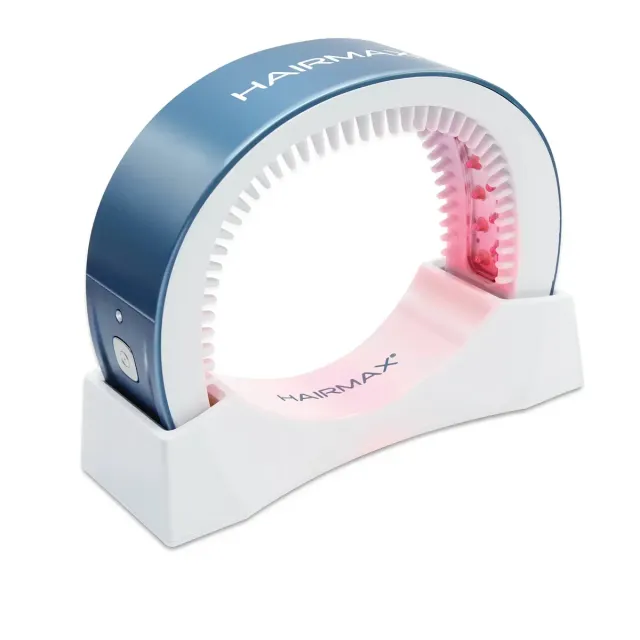
Everyday item · £599.99
Budget: HairMax Ultima 9 LaserComb · £249.99 ›Premium: HairMax Laser 272 PowerFlex Cap · £1,499.99 ›
Quick answer
Red light caps and helmets have promising evidence for pattern hair loss (androgenetic alopecia): meta-analyses of sham-controlled trials show modest gains in hair density, but not for other types of hair loss. Minoxidil remains the NHS-recognised first option. For a device, HairMax's FDA-cleared LaserBand 41 is our top pick for UK buyers.
Our picks
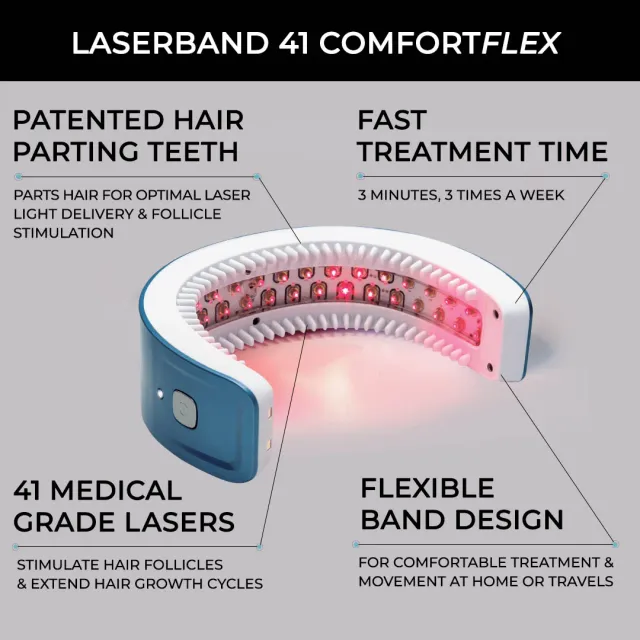
HairMax LaserBand 41 ComfortFlex
HairMax
- • 41 lasers (no LEDs)
- • Hair-parting teeth
Honest caveat: The band covers a strip of scalp at a time, so you move it across your head during a session, which takes more effort than a hands-free helmet. FDA clearance means the device was judged similar to an earlier cleared device; it is not proof of large results. Benefits fade if you stop using it.
£599.99
hairmax.co.uk
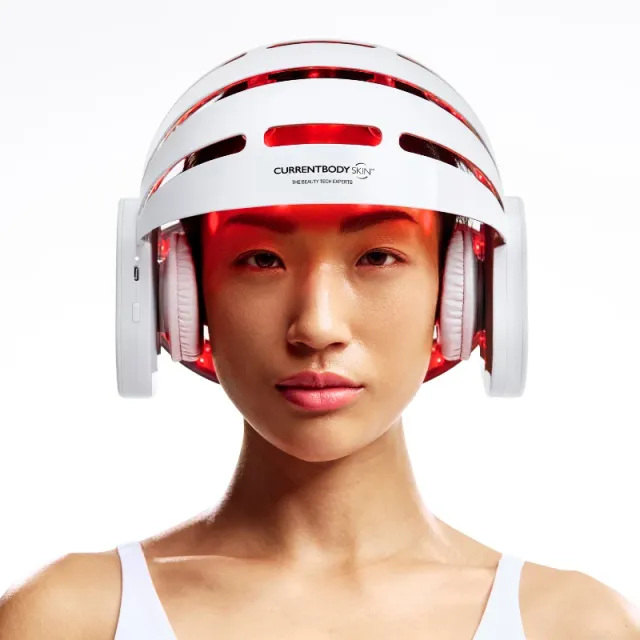
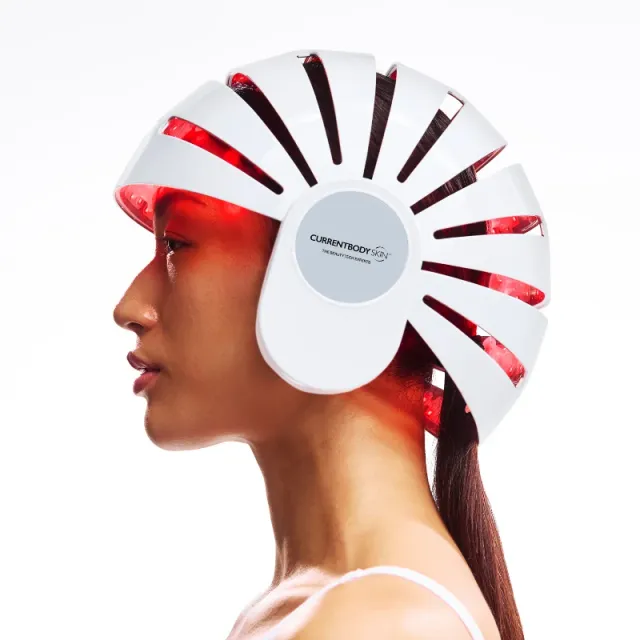
CurrentBody Skin LED Hair Growth Helmet
CurrentBody Skin
- • 120 red LEDs, 620 to 660nm
- • 10-minute sessions
Honest caveat: The headline results (such as ’123% increase in hair growth rate’) come from the brand’s own commissioned testing, not a published controlled trial, and we could not find an FDA clearance for this model. LED helmets give less concentrated light than lasers, and nobody has shown which is better.
£649.99
currentbody.com
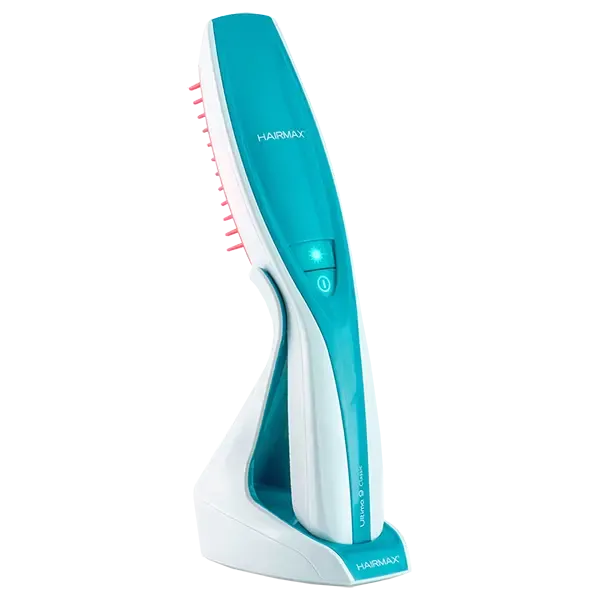
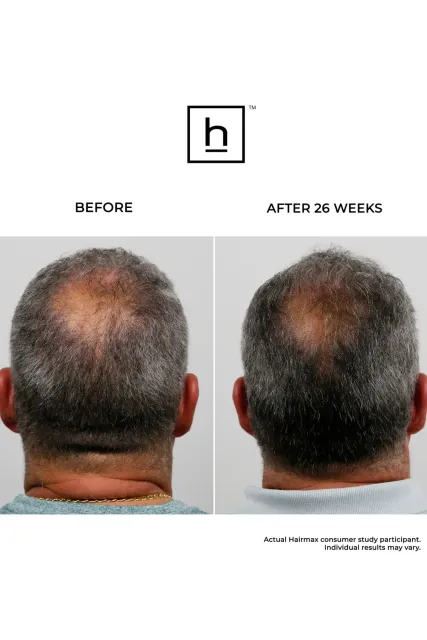
HairMax Ultima 9 LaserComb
HairMax
- • 9 lasers
- • About 11 minutes, 3 times a week
Honest caveat: Nine lasers is a small light source, so you have to glide it slowly over each area, and it is easy to miss patches. It suits a thinning crown or parting better than wide areas. Results, where they happen, take months and stop when you stop.
£249.99
hairmax.co.uk
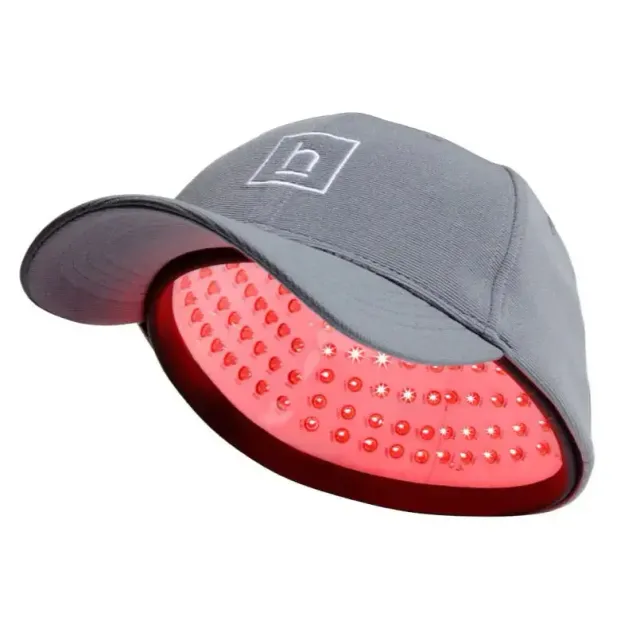
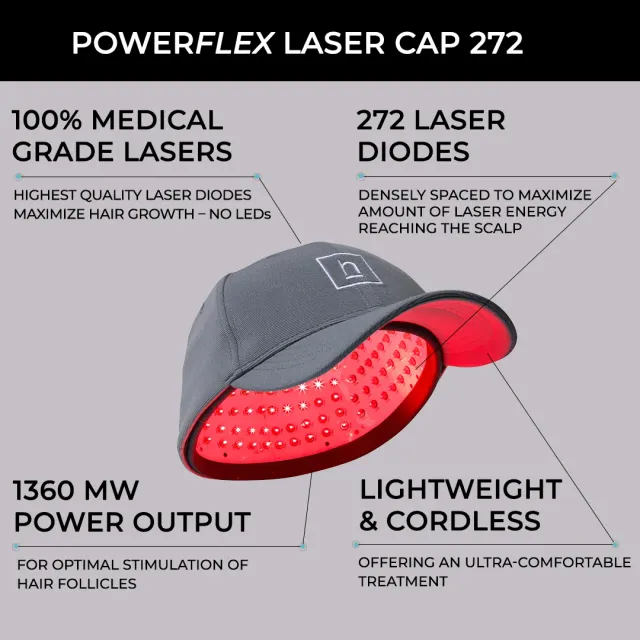
HairMax Laser 272 PowerFlex Cap
HairMax
- • 272 lasers
- • 7 minutes, every other day
Honest caveat: At about £1,500 it costs many years’ supply of over-the-counter minoxidil. More lasers do not guarantee proportionally better results; trials compare devices with sham devices, not with each other.
£1,499.99
hairmax.co.uk
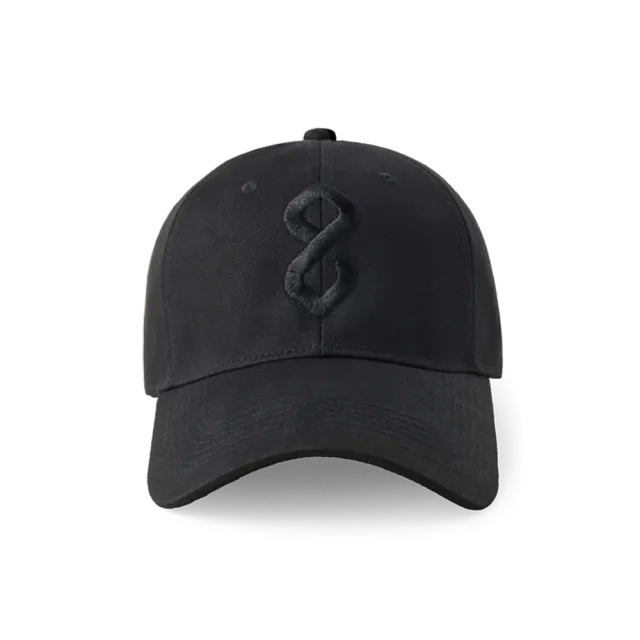
BON CHARGE Red Light Cap
BON CHARGE
- • 650nm red LEDs
- • Cordless, USB-C charging
Honest caveat: The page shows an ’FDA Cleared’ badge but gives no clearance number, and we could not find one under the brand name in the FDA database. LED count and irradiance are not published, and the warranty is only 1 year.
£349
uk.boncharge.com
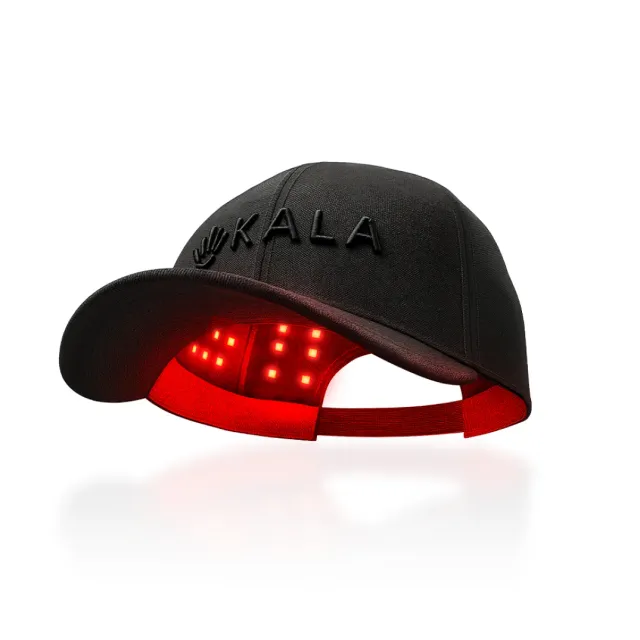

Kala Therapy Hat
Kala
- • 91 LEDs at 650nm
- • Cordless, USB-C
Honest caveat: Kala is a North American brand, so check delivery time and any import charges at checkout. Irradiance is not published and we found no FDA clearance for this model.
£272.32
kalaredlight.com
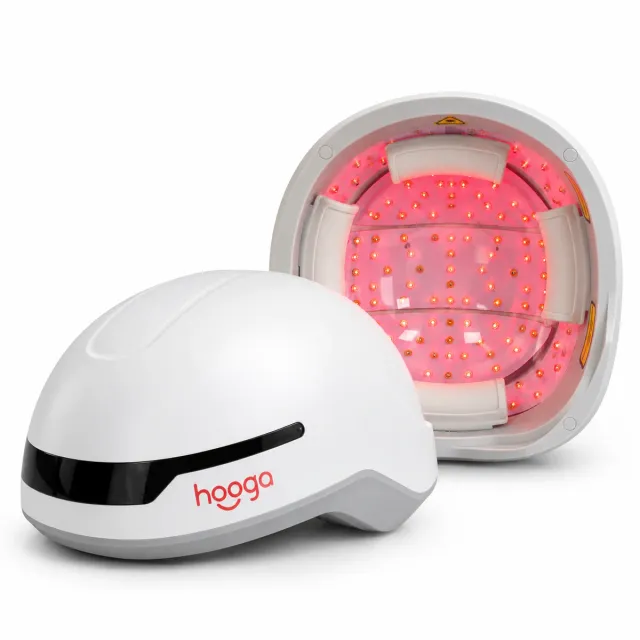
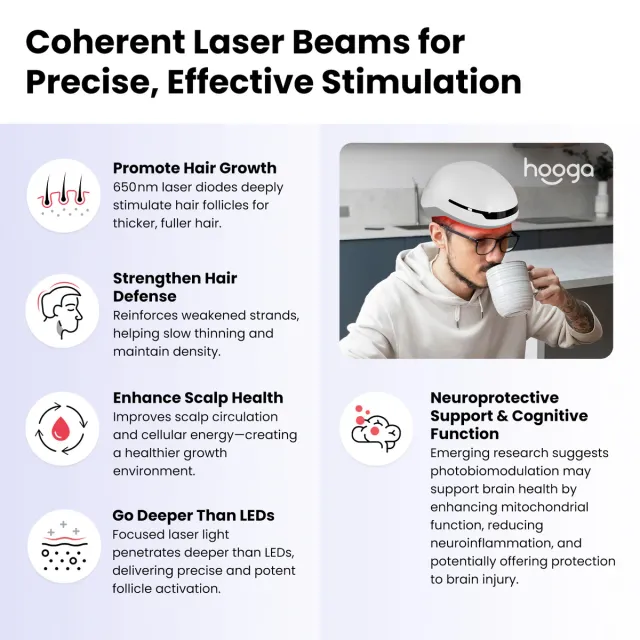
Hooga Red Light Therapy Laser Helmet
Hooga
- • 96 lasers, 650nm, 5mW each
- • 10-minute sessions, auto-pause sensor
Honest caveat: It ships from the US: Hooga says international orders can take up to 20 business days and duties and taxes fall on the buyer. It has not been tested in its own trials, so the evidence is borrowed from the device category.
£380
hoogahealth.com
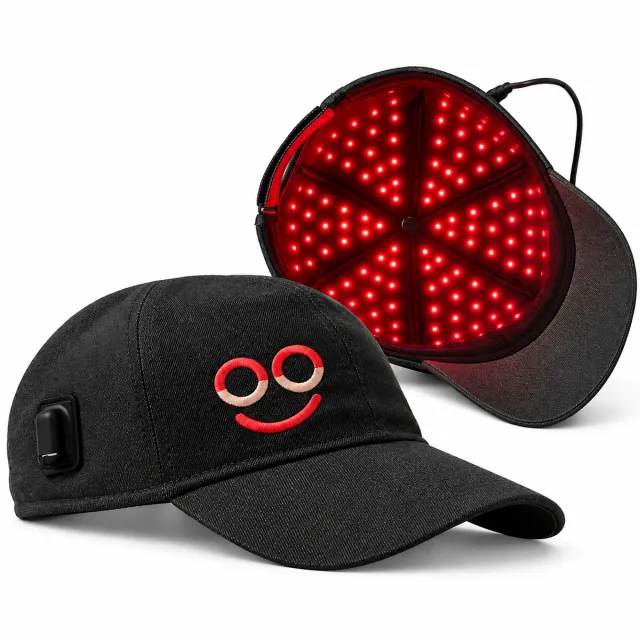
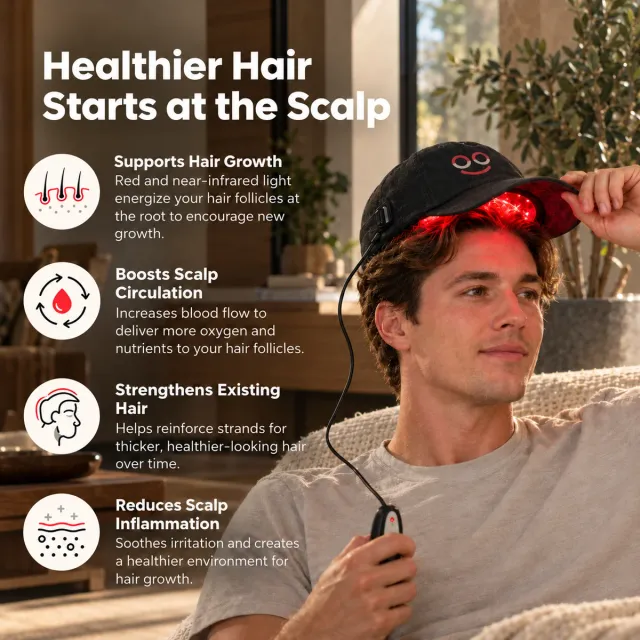
Hooga Red Light Therapy Hat
Hooga
- • 150 dual-chip LEDs, 660nm and 850nm
- • 10-minute timer
Honest caveat: It runs from a 12V mains adapter rather than a battery, and as a US shipment you should check you get a UK-compatible adapter. There is no evidence that adding 850nm helps hair more than red alone. Duties and slow delivery apply, as for all Hooga orders.
£228
hoogahealth.com
We may earn a commission if you buy through our links. How we choose ›
How strong is the research? What our grades mean ›
- Strong research
- Independent certification or lab data for the specific claim.
- Promising research
- The material is well supported, but there is no product-level testing.
- Early research
- Little independent research.
- Mixed research
- Research findings disagree.
- £
- Under £20
- ££
- £20 to £79
- £££
- £80+
Light caps and helmets are one of the few red light uses with a reasonable body of trials behind them, but only for one type of hair loss: pattern hair loss (androgenetic alopecia, the gradual thinning at the crown, parting or hairline that runs in families). This guide compares the devices you can buy in the UK and explains where they fit next to the treatments the NHS names.
Our picks at a glance
| Product | Best for | Key feature | Price | Evidence grade |
|---|---|---|---|---|
| Everyday itemHairMax LaserBand 41 ComfortFlex | Best overall | 41 lasers, FDA-cleared brand, UK store | £599.99 | Promising |
| Everyday itemCurrentBody Skin LED Hair Growth Helmet | Hands-free LED helmet | 120 LEDs at 620 to 660nm, two sizes | £649.99 | Promising |
| Everyday itemHairMax Ultima 9 LaserComb | Budget laser | 9 lasers, 6-month money-back offer | £249.99 | Promising |
| Everyday itemHairMax Laser 272 PowerFlex Cap | Most coverage | 272 lasers, 7-minute sessions | £1,499.99 | Promising |
| Red light panelBON CHARGE Red Light Cap | Light and cordless | 650nm, about 286g | £349 | Early |
| Red light panelKala Therapy Hat | Mid-price cordless cap | 91 LEDs at 650nm | £272.32 | Early |
| Red light panelHooga Red Light Therapy Laser Helmet | Cheapest laser helmet | 96 lasers, 5mW each | £380 | Early |
| Red light panelHooga Red Light Therapy Hat | Cheapest cap | 150 dual-chip LEDs, 660 and 850nm | £228 | Early |
Prices checked October 2026. Hooga ships from the US, so duties may be added.
Does red light therapy work for hair loss?
For pattern hair loss, the answer is a cautious yes. A 2025 meta-analysis in Dermatologic Surgery pooled 38 studies (3,098 people) and found hair density rose significantly with low-level laser or LED therapy compared with sham (dummy) devices, over 4 to 26 weeks. An earlier review of 11 double-blind trials found benefits in both men and women, with comb and helmet devices. A 2017 JAAD meta-analysis put laser therapy alongside minoxidil and finasteride as beating placebo in men.
The caveats matter. The trials vary a lot (high "heterogeneity", meaning results differ from study to study), many are small, and many were funded by device makers. Gains are usually modest: thicker coverage, not a full head of hair. And results last only while you keep using the device.
For other kinds of hair loss, such as alopecia areata (patchy loss), telogen effluvium (shedding after illness or stress) or scarring alopecia, the same 2025 review found too little data to draw conclusions.
How does it compare with minoxidil?
Minoxidil is the NHS-recognised first option. The NHS hair loss page names finasteride and minoxidil as the main treatments for male pattern baldness, and minoxidil for female pattern hair loss; a Cochrane review found minoxidil has the strongest evidence for women. Minoxidil foam or solution is sold over the counter in UK pharmacies and costs far less per year than any device here.
Two 2025 meta-analyses (Lasers in Medical Science; Journal of Dermatological Treatment) looked at light therapy added to minoxidil and found combining them may give better results than minoxidil alone. So a device is best seen as an add-on or an alternative for people who cannot use minoxidil, not a replacement for proper advice.
When should you see a GP first?
See a GP or dermatologist before buying anything if your hair loss is sudden, patchy, comes with itching, pain or scaling, follows illness, pregnancy or new medication, or if you are a woman with irregular periods or acne alongside thinning. The NHS advises getting the cause checked before going to a commercial hair clinic. Iron deficiency, thyroid problems and stress-related shedding need different treatment, and a light device will not fix them.
How we chose
We looked for devices sold to UK buyers in pounds, with stated wavelengths in the red range used in trials (roughly 630 to 680nm). We gave more weight to brands with FDA 510(k) clearances (a US regulatory step showing a device is similar to one already legally sold; not proof of large effects) and published trials, and we noted where output figures or clearances could not be checked. We left out iRestore, Theradome, Kiierr and Capillus because we could not find a UK buy page priced in pounds when we checked.
The best red light caps and helmets for hair loss
HairMax LaserBand 41 ComfortFlex: best overall
HairMax has the longest regulatory record in this category, with FDA clearances going back to its 2007 LaserComb. The LaserBand uses 41 lasers in a curved band with teeth that part your hair so light reaches the scalp, and it is sold from a UK store. Caveat: you move it across your head in stages, which takes more effort than a helmet, and clearance is not the same as proof of big results.
CurrentBody Skin LED Hair Growth Helmet: best hands-free helmet
A full-head helmet with 120 red LEDs in the 620 to 660nm range, a 10-minute timer and built-in headphones, sold by a UK retailer in medium and large sizes. It is the easiest routine to stick with here. Caveat: the striking percentages on the product page come from the brand's own commissioned testing, and we found no FDA clearance for this model.
HairMax Ultima 9 LaserComb: best budget laser
The comb format is the device type tested in HairMax's original trials. Nine lasers, about 11 minutes three times a week, and a 6-month money-back offer from HairMax UK. Caveat: with only nine lasers you need to work slowly section by section, so it suits a thinning crown or parting more than widespread thinning.
HairMax Laser 272 PowerFlex Cap: best for maximum coverage
272 lasers in a flexible cap you can wear under a hat, with 7-minute sessions every other day. Caveat: at about £1,500 it costs as much as many years of over-the-counter minoxidil, and no trial shows that more lasers give proportionally more hair.
BON CHARGE Red Light Cap: lightest cordless option
A cordless 650nm cap at about 286g with 10-minute sessions and clear guidance that it is for adults and not for use in pregnancy or breastfeeding. Caveat: it shows an "FDA Cleared" badge without a number, LED count and output are not published, and the warranty is 1 year.
Kala Therapy Hat: mid-price cordless cap
91 LEDs at 650nm, rechargeable and priced in pounds. Caveat: Kala is a North American brand, so check delivery and import charges, and output is not published.
Hooga Red Light Therapy Laser Helmet: cheapest laser helmet
96 lasers at 650nm, 5mW each (about 480mW in total), cordless, with a sensor that pauses if the helmet slips. Hooga is upfront that it is not FDA-cleared. Caveat: it ships from the US, with up to 20 business days for delivery and duties payable by you.
Hooga Red Light Therapy Hat: cheapest cap
150 dual-chip LEDs giving 660nm red and 850nm near-infrared, with a 10-minute timer. Caveat: it runs from a mains adapter, so check it suits UK sockets, and there is no evidence that adding near-infrared helps hair more than red alone.
What to look for (and what to avoid)
- Wavelength: most trials used red light around 630 to 680nm. Extra colours are a marketing extra, not a proven benefit.
- Coverage and fit: a helmet or cap should reach the areas you are losing hair. Combs and bands need patience.
- Realistic timescale: trials ran 16 to 26 weeks. Take photos in the same light every month.
- Checkable claims: an FDA clearance should have a number you can look up. Be wary of percentages from a brand's own small study.
- Avoid devices sold for alopecia areata, chemotherapy hair loss or "regrowing bald patches": the evidence does not support those uses.
- Eye protection: do not look into the lasers or LEDs, and follow the device's guidance.
Who should be careful
Ask a GP or pharmacist first if you are pregnant or breastfeeding, have a scalp condition or skin cancer history, are sensitive to light, or take medicines that make skin more sensitive to light. People under 18 should not use these devices without medical advice. If you notice irritation, stop.
Bottom line
Light caps and helmets have Promising evidence for pattern hair loss, enough that a dermatologist may suggest one alongside minoxidil. They are expensive, slow and only work while you keep using them. Get the cause of your hair loss checked first, try the cheaper NHS-recognised options, and if you buy a device, choose one with checkable claims, such as a HairMax laser or a well-made helmet like CurrentBody's. For the wider science, see our guide Does red light therapy work?.
Frequently asked questions
How long does a red light cap take to work?
+
Trials of light caps and helmets for pattern hair loss usually ran for 16 to 26 weeks before measuring hair density, so expect to wait at least three to six months. Take photos in the same lighting every month to judge honestly. If you see no change after six months of regular use, the device is unlikely to help, and it is worth speaking to a GP or dermatologist about other options.
Is red light therapy better than minoxidil for hair loss?
+
There is no good evidence that it is better. The NHS names minoxidil and finasteride as the main treatments for pattern hair loss, and minoxidil has the strongest evidence for women. Some 2025 meta-analyses suggest adding light therapy to minoxidil may work better than minoxidil alone, so a device is best seen as an add-on or an option for people who cannot use minoxidil.
Does red light therapy work for alopecia areata?
+
The evidence is too thin to say. A 2025 meta-analysis of 38 studies found almost all participants had pattern hair loss; only around 50 had alopecia areata, and there was not enough data to pool results. Alopecia areata (patchy hair loss) is an autoimmune condition and should be assessed by a GP or dermatologist, who can discuss treatments such as steroid creams or injections.
What does FDA-cleared mean for a hair growth device?
+
FDA 510(k) clearance means the US regulator judged the device similar to one already legally sold for the same use, such as treating pattern hair loss. It is a useful sign that a company has submitted safety and performance information, but it is not an approval, not independent testing, and does not prove large results. It also has no legal standing in the UK.
Are lasers better than LEDs for hair growth?
+
Nobody has shown that one is clearly better. A 2019 review of double-blind trials found benefits with both comb and helmet devices, and a 2025 meta-analysis grouped laser and LED therapy together. What matters more is a red wavelength in the studied range (around 630 to 680nm), good scalp coverage and using the device consistently for months.
Can I use a red light cap if I am pregnant?
+
Most manufacturers, including BON CHARGE, say their caps are not for use in pregnancy or while breastfeeding, because they have not been studied in these groups. Hair shedding after pregnancy is common and usually settles by itself. If you are worried about hair loss during or after pregnancy, speak to your GP or midwife before using any device or treatment.
Last updated