Personal Care
Phthalates in Perfume and Fragrance: What ’Parfum’ on a Label Really Means
Quick answer
'Parfum' on a UK label can cover dozens of undisclosed ingredients. The phthalates linked to hormone effects (DBP, DEHP, BBP) are banned in UK cosmetics, but diethyl phthalate (DEP) is still allowed as a fragrance solvent. Evidence on DEP at normal use is contested; fragrance allergy is the clearer, proven issue.
Our picks

Faith in Nature Fragrance Free Body Wash
Faith in Nature
- • No added fragrance
- • SLS-free gel
Honest caveat: Fragrance-free does not mean free of every endocrine disrupting chemical, and phthalates are now less common in UK cosmetics. It is a foaming gel, which some very dry skin finds tightening.
£5.24
faithinnature.co.uk
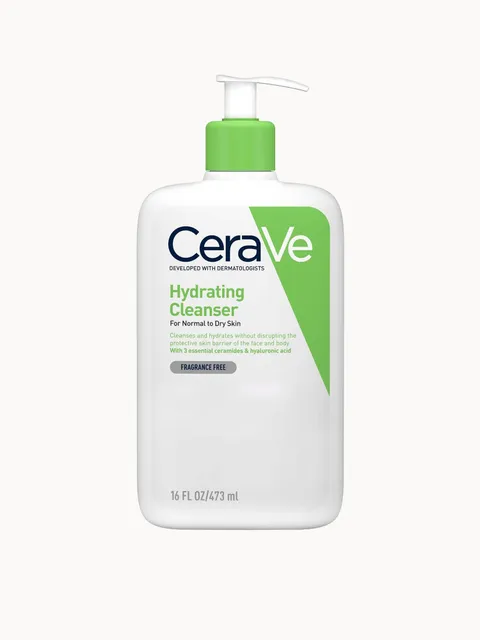
CeraVe Hydrating Cleanser 473ml
CeraVe
- • No fragrance in INCI
- • Ceramides and hyaluronic acid
Honest caveat: It contains phenoxyethanol as a preservative, which very rarely irritates. The lotion texture does not lather, which some people dislike in the shower.
£12.50
lookfantastic.com

Faith in Nature Fragrance Free Shampoo
Faith in Nature
- • No fragrance or essential oils
- • Eight-ingredient formula
Honest caveat: It uses ammonium lauryl sulfate as the main cleanser, so it is not sulfate-free and may feel stripping on dry or curly hair.
£6.36 typical price
Amazon · faithinnature.co.uk

AKT London The Deodorant Balm SC.00 No Notes
AKT London
- • Fragrance-free version of AKT balm
- • Arrowroot, magnesium oxide, diatomaceous earth
Honest caveat: It contains sodium bicarbonate, which some people find irritating on underarm skin, and it costs more than most stick deodorants.
£21 typical price
Amazon · aktlondon.com
We may earn a commission if you buy through our links. How we choose ›
How strong is the research? What our grades mean ›
- Strong research
- Independent certification or lab data for the specific claim.
- Promising research
- The material is well supported, but there is no product-level testing.
- Early research
- Little independent research.
- Mixed research
- Research findings disagree.
- £
- Under £20
- ££
- £20 to £79
- £££
- £80+
What does "parfum" or "fragrance" mean on a label?
Under UK cosmetics rules, a scent blend can be listed as a single word: parfum (or "fragrance"). Behind that word can sit dozens of individual materials, natural or synthetic, plus solvents and fixatives that help the scent last. Brands do not have to name them, because fragrance formulas are treated as trade secrets.
There is one big exception. Certain fragrance ingredients that are known to cause allergies must be named separately when they are above set levels (0.001% in leave-on products, 0.01% in rinse-off). That is why you see words like linalool, limonene, citral, geraniol and eugenol after "parfum" on many labels. The EU has since expanded this allergen list to more than 80 substances, being phased in from 2026; Northern Ireland follows EU rules, so check the label wherever you shop.
What are phthalates and why are they in fragrance?
Phthalates are a family of chemicals used mainly to make plastics soft. One of them, diethyl phthalate (DEP), is used in fragrances as a solvent and fixative. The US FDA notes that DEP appears to be the only phthalate still commonly used in cosmetics; others such as DBP and DMP are now rarely used.
In Great Britain and the EU, the phthalates of most concern for hormone effects, including DBP, DEHP and BBP, are prohibited in cosmetics under Annex II of the Cosmetics Regulation. DEP is not banned. Because it sits inside "parfum", you usually cannot tell from the label whether a product contains it.
What it claims
The claims you will see online fall into three groups:
- "Fragrance" hides harmful phthalates that disrupt hormones.
- Synthetic fragrance causes allergies, headaches and asthma flare-ups.
- Natural or essential-oil perfumes avoid these problems.
What the evidence shows
| Claim | Evidence grade | Best evidence (linked) |
|---|---|---|
| Fragrance is a common cause of skin allergy | Strong | About 1.9% of European adults have a clinically relevant fragrance allergy |
| Using perfume raises your DEP exposure | Strong | Women who used perfume had about 2.9 times higher levels of the DEP breakdown product in urine |
| DEP in perfume harms hormones at normal use | Contested | Regulators allow it; FDA has not found it a known risk at current use, but some population studies report associations |
| Banned phthalates (DBP, DEHP) still turn up in UK perfume | Limited | Rare reports of undeclared contamination; not well studied in UK products |
| Natural perfumes are less allergenic | Mixed research | Essential oils contain the same listed allergens (linalool, limonene) and oxidise into stronger ones |
Fragrance allergy: the clearest problem
The best general-population data come from a five-country European study that patch-tested over 3,000 randomly chosen adults. It found that about 1.9% had a fragrance allergy that mattered in daily life, and women were affected about twice as often as men. Once you are allergic, it is usually lifelong, and the NHS advice on contact dermatitis is to identify and avoid the trigger.
DEP: exposure is real, harm is unclear
Studies measuring phthalate breakdown products in urine consistently find that people who use more scented products have higher DEP levels. One US study of 337 women found those who had used perfume in the previous 24 hours had nearly three times the level of the main DEP metabolite. So the exposure link is strong.
Whether that exposure causes harm is where the evidence is contested. DEP is less potent in animal studies than the banned phthalates, and regulators in the US and Europe have so far allowed its use. Some observational studies link higher phthalate levels to hormone and pregnancy outcomes, but these studies measure many chemicals at once and cannot prove that DEP from perfume is the cause. A fair reading is: not proven harmful, not proven harmless, and easy to reduce if you want to.
Who might reasonably cut back on fragrance
- Anyone with eczema, sensitive skin or a diagnosed fragrance allergy.
- People who are pregnant or trying to conceive and want to lower avoidable exposures while evidence is uncertain.
- Parents choosing products for babies and young children, who rarely need scent.
Who should be careful
- If you develop an itchy rash where you use a product, stop using it and speak to a pharmacist or GP; you may be referred for patch testing.
- "Natural" or "phthalate-free" perfumes are not allergy-free. Essential oils contain many of the same listed allergens.
- Do not swap a prescribed eczema treatment for a fragrance-free product. Use both as advised.
If you want to try it: what to look for
- The word "parfum" or "fragrance" in the ingredient list. If it is absent, and there are no essential oils, the product is genuinely unscented.
- "Unscented" is not the same as "fragrance-free". Some unscented products use masking fragrance. Check the list.
- Fewer scented products, not perfect ones. Shower gel, laundry and deodorant often matter more than one spray of perfume, because they cover more skin every day.
- If you love perfume, spray it on clothes rather than skin, and choose a brand that lists ingredients in full or states it avoids phthalates.
Fragrance-free swaps worth trying
| Product | Best for | Key feature | Price | Evidence grade |
|---|---|---|---|---|
| Body washFaith in Nature Fragrance Free Body Wash | Daily shower | No fragrance or essential oils | £5.24 | Promising |
| Face cleanserCeraVe Hydrating Cleanser 473ml | Dry, sensitive skin | No fragrance in INCI, ceramides | £12.50 | Promising |
| ShampooFaith in Nature Fragrance Free Shampoo | Hair | Eight ingredients, no fragrance | £6.36 typical price | Promising |
| DeodorantAKT London The Deodorant Balm SC.00 No Notes | Underarms | Fragrance-free balm | £21 typical price | Promising |
Faith in Nature Fragrance Free Body Wash (£5.24): no fragrance and no essential oils, with a 5 litre refill. Caveat: a foaming gel can feel tight on very dry skin.
CeraVe Hydrating Cleanser (£12.50): a non-foaming lotion for face and body with no fragrance in the ingredient list. Caveat: it does not lather.
Faith in Nature Fragrance Free Shampoo (£6.36): eight ingredients, no scent. Caveat: it contains ammonium lauryl sulfate, so it is not sulfate-free.
AKT London Deodorant Balm SC.00 (£21): the fragrance-free version of AKT's balm. Caveat: it contains baking soda, which irritates some underarms.
Bottom line
"Parfum" on a label is a black box, and the one phthalate still allowed in it (DEP) does end up in your body when you use scented products. Whether that matters at normal levels is genuinely contested. Fragrance allergy is the proven risk. If you want to cut exposure, the simplest step is to switch high-use, leave-on and whole-body products to fragrance-free and keep perfume as an occasional choice.
Frequently asked questions
Are phthalates banned in UK perfume?
+
Some are. DBP, DEHP, BBP and several other phthalates are prohibited in cosmetics in Great Britain and the EU. Diethyl phthalate (DEP) is still allowed and is mainly used as a solvent and fixative in fragrance. Because it can sit inside the single word 'parfum', you usually cannot tell from the label whether a product contains it.
How can I tell if a perfume contains phthalates?
+
Usually you cannot from the label alone, because fragrance components are not listed individually. Your options are to choose brands that publish full ingredient lists, choose brands that state they avoid phthalates, or ask the brand directly. Phthalates are rarely needed in unscented products, so fragrance-free personal care removes the question entirely.
What do linalool and limonene mean on a label?
+
They are fragrance ingredients, found naturally in lavender, citrus and many essential oils and also made synthetically, which are known to cause allergy in some people. UK rules require them to be named when they are above set levels so people with allergies can avoid them. Seeing them does not mean a product will cause problems for most people.
Is natural perfume better than synthetic?
+
Not for allergies. Essential oils contain many of the same allergens that must be listed, and some oxidise into stronger sensitisers as they age. Natural perfumes are less likely to contain DEP, which some people prefer while evidence on it is uncertain. For sensitive skin, no fragrance at all is the most reliable choice.
Is DEP harmful?
+
The evidence is contested. Using scented products clearly raises DEP levels in the body, but DEP is less potent than the banned phthalates in animal studies, and regulators currently allow it. Some population studies report links with hormone-related outcomes but cannot separate DEP from other chemicals. Reducing exposure is easy if you would rather be cautious.
Should I avoid fragrance during pregnancy?
+
There is no NHS advice to avoid perfume in pregnancy. Some people choose to cut back on scented products while trying to conceive or during pregnancy because evidence on phthalates is uncertain. Switching shower gel, moisturiser and laundry products to fragrance-free is a simple, low-cost way to do that. Speak to your midwife if you have specific concerns.
Last updated