Personal Care
Best Organic Tampons UK (2026): What Organic Does and Does Not Tell You
Quick answer
Organic tampons use cotton grown without synthetic pesticides, and the best are independently certified (GOTS or Soil Association). They are not proven to be lower in metals: a 2024 study found more arsenic in organic tampons and more lead in non-organic. Natracare and TOTM, both £3.40 for 16, are our top picks.
Our picks
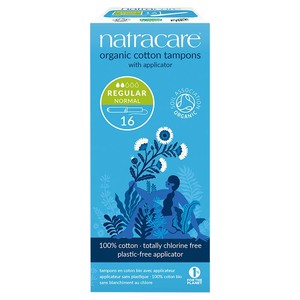
Natracare Organic Applicator Regular Tampons
Natracare
- • 100% organic cotton
- • Soil Association certified (per retailer listing)
Honest caveat: Organic certification checks how the cotton is grown and processed, not metal content. In the 2024 Berkeley-led study, organic tampons as a group had higher arsenic and lower lead than non-organic ones.
£3.40
ocado.com
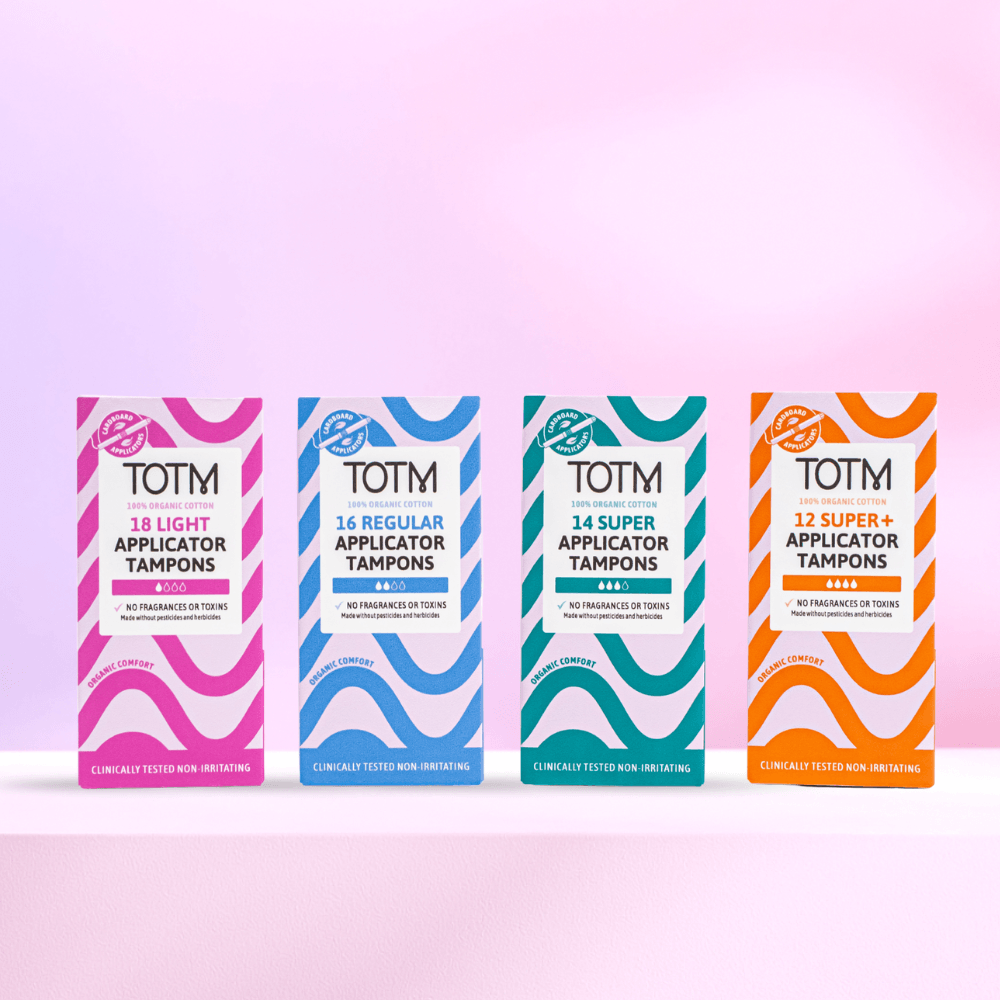
TOTM Organic Cotton Applicator Tampons Regular
TOTM
- • GOTS-certified organic cotton
- • Cardboard applicator
Honest caveat: The brand’s ’free from heavy metals’ wording goes further than any certification proves; GOTS does not test finished tampons for metals. Check the absorbency you need, as Super Plus can sell out.
£3.40
totm.com

&SISTERS Organic Cotton Applicator Tampons
&SISTERS
- • Organic cotton core, veil and string
- • Cardboard applicator
Honest caveat: The brand says the tampons are ’clinically proven’ to reduce irritation; we could not find published data, so treat that as a marketing claim.
£3.80
andsisters.com

Grace & Green Organic Cotton Applicator Tampons
Grace & Green
- • Organic-certified cotton (brand states)
- • Cardboard applicator
Honest caveat: The certifying body is not named on the product page, so we could not check the certificate ourselves. It costs a little more than supermarket options.
£4.49
graceandgreen.co

Flo Organic Cotton Tampons
Flo
- • Organic cotton
- • Combo packs available
Honest caveat: Supermarket pack contents differ from the brand site, so check the count and absorbency. Organic status does not tell you anything about metal content.
£4.50
hereweflo.co

DAME Organic Tampons Value Pack
DAME
- • Certified organic cotton (brand states)
- • 64 regular for £14.99
Honest caveat: The product page suggests organic tampons may reduce cramping or shorten periods; there is no good evidence for that. Store unopened packs somewhere dry.
£14.99
wearedame.co
We may earn a commission if you buy through our links. How we choose ›
How strong is the research? What our grades mean ›
- Strong research
- Independent certification or lab data for the specific claim.
- Promising research
- The material is well supported, but there is no product-level testing.
- Early research
- Little independent research.
- Mixed research
- Research findings disagree.
- £
- Under £20
- ££
- £20 to £79
- £££
- £80+
What makes a tampon "organic"?
An organic tampon is made from cotton grown without synthetic pesticides or fertilisers, usually with no rayon (viscose) blend. The claim is only as good as the certificate behind it. The two you will see most in the UK are:
- GOTS (Global Organic Textile Standard): checks organic fibre content and processing through the supply chain.
- Soil Association / ICEA organic: UK and Italian certifiers that audit organic sourcing.
Neither standard tests finished tampons for metals, absorbency performance or toxic shock syndrome (TSS) risk. Absorbency and labelling for tampons sold in the UK follow a separate industry code.
What did the 2024 metals-in-tampons study find?
In 2024 a team led from UC Berkeley and Columbia published the first study to measure metals in tampons. They tested 30 tampons from 14 brands bought in the US, UK and EU and found measurable levels of all 16 metals they looked for, including lead, arsenic and cadmium.
Two findings matter for anyone buying organic:
- No group was consistently lower. Organic tampons had higher arsenic on average, non-organic ones had higher lead. UK/EU-bought tampons were not reliably better than US ones.
- The study measured what was in the tampon, not what got into the body. The authors themselves said the next step was to find out whether metals leach out and cross the vaginal wall.
What has happened since?
- A 2026 lab study by some of the same researchers soaked 22 tampon products in simulated vaginal and menstrual fluid and found small amounts of metals did leach out, but stressed that leaching in a lab "does not equate to vaginal absorption or systemic exposure".
- The American College of Medical Toxicology issued a statement that there is no evidence tampons cause metal poisoning.
- In mid 2026 the US FDA published its own risk assessment of 11 tampon products under deliberately harsh test conditions and concluded that the levels of metals released "are not expected to result in adverse health effects".
Fair summary: the 2024 study was a useful first look and deserved follow-up. So far, follow-up work suggests the amounts released are very small. Organic is a reasonable choice for pesticide and plastic reasons, but you should not buy it expecting fewer metals.
Our picks at a glance
| Product | Best for | Material/key feature | Price | Evidence grade |
|---|---|---|---|---|
| Natracare Organic Applicator Regular | Supermarket shop | Soil Association, GOTS (per listing) | £3.40 | Promising |
| TOTM Organic Applicator Regular | Subscription delivery | GOTS-certified cotton | £3.40 (16) | Promising |
| &SISTERS Applicator Tampons | No fragrance, organic string | Organic core, veil and string | £3.80 | Early |
| Grace & Green Applicator Regular | Plastic-free packaging | Paper wrap, cardboard applicator | £4.49 (16) | Early |
| TamponsFlo Organic Cotton Tampons | Combo packs | Sold direct and in supermarkets | £4.50 | Early |
| TamponsDAME Organic Tampons Value Pack | Lowest cost per tampon | 64 regular in one box | £14.99 | Early |
How we chose
Every pick is organic cotton and sold to UK buyers on a page we checked, in pounds. We graded products as Promising where the organic claim is backed by a named independent certificate we could see, and Early where the brand states the cotton is organic but we could not see the certificate. We gave no extra credit for "toxin-free" or "metal-free" wording, because no certificate tests for that. We could not find a live UK shop for Ohne, so it is not included.
The best organic tampons in the UK
Natracare Organic Applicator Regular Tampons (£3.40 for 16)
The longest-running organic tampon brand, sold through Ocado and other UK shops. The Ocado listing names Soil Association certification and GOTS.
Honest caveat: certified organic is about how the cotton is grown, not metals or TSS risk.
TOTM Organic Cotton Applicator Tampons (£3.40 for 16)
TOTM shows its GOTS certificate on the product page and uses a cardboard applicator. Subscriptions cut the price further.
Honest caveat: the brand says its products are free from heavy metals, which goes beyond what any certificate checks.
&SISTERS Organic Cotton Applicator Tampons (£3.80)
From the team behind Mooncup: organic cotton core, veil and string, cardboard applicator, no fragrance.
Honest caveat: "clinically proven to prevent irritation" is the brand's claim; we found no published trial.
Grace & Green Organic Cotton Applicator Tampons (£4.49 for 16)
A UK brand with paper-wrapped tampons and a biodegradable cardboard applicator, so the pack is plastic-free.
Honest caveat: the certifier is not named on the product page.
Flo Organic Cotton Tampons (£4.50)
Sold direct and through supermarkets such as Morrisons, often in regular-and-super combo packs, which suits heavier and lighter days.
Honest caveat: pack contents differ by shop, so check the count.
DAME Organic Tampons Value Pack (£14.99 for 64)
A bulk box that works out among the cheapest organic tampons per unit.
Honest caveat: the page suggests organic tampons can ease cramps or shorten periods; there is no good evidence for that.
What the evidence says
| Claim | Evidence grade | Best evidence |
|---|---|---|
| Organic tampons contain fewer pesticide residues | Promising | Organic certification rules on cotton growing; few product tests |
| Organic tampons contain less metal | Mixed research | Shearston 2024: more arsenic in organic, more lead in non-organic |
| Metals in tampons harm health | Early research | FDA risk assessment, 2026; ACMT statement |
| Organic tampons lower TSS risk | None | TSS is linked to absorbency and wear time, not cotton type |
Applicator, plastic and other things worth checking
Beyond organic cotton, a few practical differences matter more day to day:
- Applicator type. Cardboard applicators (all our applicator picks) avoid the plastic used in many conventional brands. Non-applicator tampons use the least material of all.
- What touches your body. Some conventional tampons use a thin plastic or polyester veil over the cotton to help with removal. Brands such as TOTM and &SISTERS say their core and veil are cotton.
- Wrappers. Paper wrappers (Grace & Green) cut plastic further; most brands still use thin plastic.
- Absorbency labels. UK tampons use the same light, regular, super and super plus scale, so you can compare across brands. Pick by your flow, not by brand.
- Price per tampon. Packs range from 12 to 64, so compare the cost per tampon rather than the pack price.
How to use any tampon with less risk
Toxic shock syndrome is rare but can be life-threatening, and it is linked to using tampons or menstrual cups. Whatever brand you choose:
- Use the lowest absorbency that works for your flow.
- Change tampons regularly, following the leaflet in the pack, and alternate with pads overnight if you can.
- If you get a sudden high temperature, a rash, vomiting or feel faint, remove the tampon and call 111 or 999.
Bottom line
Organic tampons are a reasonable choice if you want cotton grown without synthetic pesticides and less plastic. Pick one with a visible certificate (Natracare or TOTM) and ignore "toxin-free" marketing. The metals question is worth watching, but current evidence does not show that organic tampons are lower in metals or that the amounts released are harmful.
Frequently asked questions
Are organic tampons better for you?
+
They are made from cotton grown without synthetic pesticides and usually avoid rayon and plastic, which many people prefer. There is no good evidence that they lower the risk of toxic shock syndrome or improve period symptoms. A 2024 study found organic tampons had higher arsenic but lower lead than non-organic, so they are not reliably lower in metals.
Do UK tampons contain lead or arsenic?
+
The 2024 Berkeley-led study included tampons bought in the UK and EU and found trace metals across all regions. Follow-up work, including a 2026 FDA risk assessment, concluded the amounts released are not expected to cause health effects. More research is under way, but there is no sign that tampon users are being poisoned.
How do I know a tampon is really organic?
+
Look for a named certificate such as GOTS, Soil Association or ICEA, ideally with a licence number. 'Made with organic cotton' without a certifier is a brand claim you cannot easily check. Natracare and TOTM both show certification details on the listings we checked.
Do organic tampons stop toxic shock syndrome?
+
No. TSS is caused by bacterial toxins and is linked to absorbency and how long a tampon or cup stays in, not whether the cotton is organic. The NHS advice applies to every brand: use the lowest absorbency you need, change regularly, and seek urgent help if you develop sudden fever, rash or vomiting.
What is the cheapest organic tampon in the UK?
+
In our checks, Natracare (via Ocado) and TOTM regular applicator tampons were £3.40 for 16, about 21p each. DAME's 64-pack works out at about 23p each, and subscriptions from TOTM or Grace & Green can bring prices down further still.
Are applicator-free tampons better?
+
They use less material, so they create less waste, and the tampon itself is the same. Cardboard applicators are a good middle ground if you find applicators easier. Plastic applicators are the main source of plastic in conventional tampon packs.
Last updated