Personal Care
Best Natural Perfume UK (2026): Phthalate-Free and Fully Disclosed Picks
Quick answer
A natural perfume uses plant-derived aroma materials instead of synthetics, which usually means no phthalates. It does not mean allergy-free: essential oils contain listed allergens like linalool and limonene. For an all-natural scent try Abel or Heretic; for phthalate-free with wider appeal, Floral Street from £25.
Our picks

Abel Pause Eau de Parfum
Abel
- • No petrochemical fragrance ingredients (retailer states)
- • 6ml £35, 50ml £160
Honest caveat: Natural aroma materials still contain the allergens the law makes brands list (such as linalool and limonene), and they oxidise over time. The 50ml is very expensive.
£35
contentbeautywellbeing.com

Floral Street Wonderland Peony Eau de Parfum
Floral Street
- • Brand says phthalate-free
- • Natural and synthetic blend
Honest caveat: It is not a natural perfume and the full ingredient list is not shown on the product page, so you rely on the brand’s statements. Fragrance allergens are still present.
£78
floralstreet.com

Heretic Dirty Rose Eau de Parfum
Heretic
- • Natural or naturally derived per ISO 9235 (brand states)
- • 15ml £60, 50ml £151
Honest caveat: Natural perfumes sit closer to the skin and fade faster, so you may reapply. It ships from the US, and the 50ml is £151.
£60
hereticparfum.com

Floral Street Wonderland Peony Scentstick Solid Perfume
Floral Street
- • Alcohol-free balm
- • Refill £14
Honest caveat: It is still 15% perfume oil, so fragrance allergens are present at a meaningful level. Avoid broken or irritated skin.
£25
floralstreet.com

Tisserand Happy Vibes Pulse Point Roller Ball
Tisserand
- • 100% natural essential oils (brand states)
- • £9.50 roll-on
Honest caveat: Bergamot oil can make skin react to sunlight unless it is a bergapten-free grade, which the page does not state, so keep it off sun-exposed skin. Mood claims are not evidence-based.
£9.50
tisserand.com

Vyrao Witchy Woo Eau de Parfum
Vyrao
- • Long ingredient list published online
- • Natural and synthetic blend
Honest caveat: It is not a natural perfume: it contains synthetics such as Iso E Super (tetramethyl acetyloctahydronaphthalenes) and a long list of labelled allergens. The mood-boosting claims on the page are the brand’s own and not independent research.
£140
vyrao.com
We may earn a commission if you buy through our links. How we choose ›
How strong is the research? What our grades mean ›
- Strong research
- Independent certification or lab data for the specific claim.
- Promising research
- The material is well supported, but there is no product-level testing.
- Early research
- Little independent research.
- Mixed research
- Research findings disagree.
- £
- Under £20
- ££
- £20 to £79
- £££
- £80+
What counts as a "natural" perfume?
There is no legal definition. Brands use "natural" in three different ways, and it helps to know which one you are buying:
- Fully natural: only plant (or occasionally animal) aroma materials, such as essential oils, absolutes and resins, in alcohol or oil. Some brands define this against ISO 9235, the international vocabulary for natural aroma raw materials.
- Phthalate-free blend: a mix of natural and synthetic materials, but without phthalates (usually diethyl phthalate, DEP) as a fixative.
- Fully disclosed: natural or synthetic, but with the individual ingredients listed rather than hidden behind "parfum".
All three are reasonable choices. None is automatically gentler on skin.
Why do people choose natural or phthalate-free perfume?
The main reason is DEP. It is the one phthalate still commonly used in fragrance, and studies show people who wear perfume have higher levels of its breakdown product in their urine. Whether that matters for health at normal use is contested (see our phthalates in fragrance guide), but it is an easy exposure to avoid if you prefer to.
The honest caveat: natural oils are common allergens
Fragrance is one of the most common causes of skin allergy. A large European study found about 1.9% of adults have a clinically relevant fragrance allergy. Many of the substances that must be named on labels because they cause allergies, including linalool, limonene, citral, geraniol and eugenol, are the main components of lavender, citrus, rose and clove oils. Linalool and limonene also oxidise in air into stronger sensitisers, so old bottles can be more irritating than new ones.
Some citrus oils, especially bergamot, contain compounds that make skin react to sunlight unless a bergapten-free grade is used.
So: a natural perfume is a good choice if you want to avoid synthetics and DEP. It is not the answer for fragrance allergy. For that, the answer is no fragrance.
Our picks at a glance
| Product | Best for | Material/key feature | Price | Evidence grade |
|---|---|---|---|---|
| PerfumeAbel Pause Eau de Parfum | Fully natural, try small first | No petrochemical aroma materials | £35 | Early |
| Heretic Dirty Rose | Natural rose scent | Natural per ISO 9235 (brand) | £60 | Early |
| Floral Street Wonderland Peony EDP | Mainstream scent, no phthalates | Natural and synthetic, no phthalates | £78 (50ml) | Early |
| Floral Street Scentstick Solid Perfume | Budget, alcohol-free | 15% perfume oil balm | £25 | Early |
| Vyrao Witchy Woo | Full ingredient disclosure | Long INCI list online | £140 | Early |
| Tisserand Happy Vibes Roller Ball | Cheapest all-natural | Essential oils in carrier oil | £9.50 | Early |
How we chose
We only included perfumes we could buy on a UK page in pounds, from the brand or a UK retailer. Each pick does at least one of: uses only natural materials (by the brand's stated definition), states it avoids phthalates, or publishes a full ingredient list. None has independent testing behind its claims, so all are graded Early research. We left out Sana Jardin (its site said it was not taking orders), Ffern (membership waiting list, no direct buy page) and Pinrose (no UK pricing).
The best natural and phthalate-free perfumes
Abel Pause Eau de Parfum (6ml £35, 50ml £160)
Abel makes perfume without petrochemical-derived aroma materials. Pause is a woody floral sold by UK retailer Content Beauty, and the 6ml size is a sensible way to test it on your skin.
Honest caveat: natural aroma materials still contain listed allergens, and the 50ml is very expensive.
Heretic Dirty Rose (15ml £60, 50ml £151)
Heretic says every ingredient is natural or naturally derived under ISO 9235, blended in organic sugarcane alcohol. Dirty Rose layers rose with pink pepper and patchouli.
Honest caveat: natural perfumes fade faster, so expect to reapply. It ships from the US.
Floral Street Wonderland Peony (10ml £29, 50ml £78)
A London brand that says it avoids phthalates and certain musks, blends natural and synthetic materials, and is Leaping Bunny approved. It smells like a high-street perfume, which suits people who want a familiar scent without DEP.
Honest caveat: not a natural perfume, and the full ingredient list is not on the product page.
Floral Street Scentstick Solid Perfume (£25, refills £14)
An alcohol-free balm with 15% perfume oil, from the same phthalate-free brand. Solid perfume stays close to the skin, so less scent ends up in shared air.
Honest caveat: 15% perfume oil means allergens are still present at a meaningful level.
Vyrao Witchy Woo (10ml £35, 50ml £140)
Vyrao publishes a long ingredient list for each perfume, naming individual natural oils and synthetics. That is rare, and it lets anyone with a known allergy check before buying.
Honest caveat: this is not a natural perfume. It contains synthetics such as Iso E Super and many listed allergens. Mood claims on the page are the brand's own.
Tisserand Happy Vibes Pulse Point Roller Ball (£9.50)
Essential oils (lemon tea tree, bergamot, nutmeg) in a carrier oil from a long-standing UK aromatherapy brand. The cheapest all-natural scent we found.
Honest caveat: bergamot can make skin react to sunlight unless it is bergapten-free, which the page does not state, so keep it off sun-exposed skin.
What the evidence says
| Claim | Evidence grade | Best evidence |
|---|---|---|
| Wearing perfume raises DEP exposure | Strong | Parlett 2013 |
| Natural perfumes avoid DEP | Promising | Natural-only formulas have no need for synthetic fixatives; not independently tested |
| Natural perfumes are less likely to cause allergy | Mixed research | Essential oils contain listed allergens; fragrance allergy data |
| Perfume improves mood or confidence | Early research | Mostly brand-funded or small studies |
How to wear perfume with less exposure
Whichever perfume you choose, a few habits lower how much you absorb and how much others breathe in:
- Spray clothes or hair, not skin, if you are prone to irritation. Test on fabric first, as oils can mark silk.
- Use less. One or two sprays is plenty for most eaux de parfum.
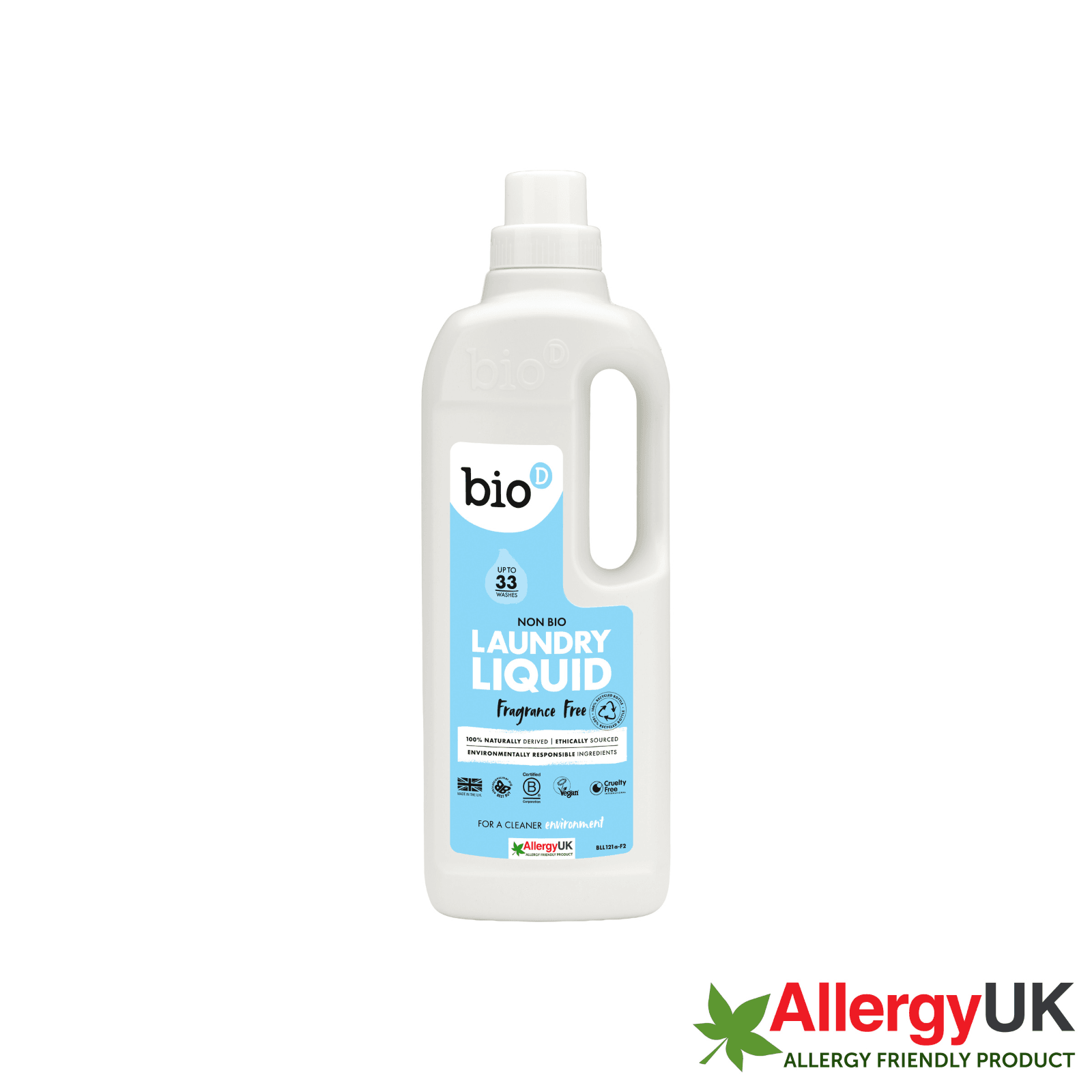
- Keep it for occasions. Daily whole-body products such as shower gel, moisturiser and laundry liquid add more fragrance to your day than an occasional spray of perfume, so switching those to fragrance-free makes the bigger difference.
- Store bottles cool, dark and closed, and use within a couple of years, to slow oxidation of natural oils.
- Patch test a new scent on the inner arm for 48 hours if you have reacted to fragrance before.
What to avoid
- "Non-toxic" or "chemical-free" claims. Every perfume is made of chemicals; these phrases tell you nothing.
- Applying perfume to broken or irritated skin, or to areas going into strong sun if it contains citrus oils.
- Very old bottles of natural perfume. Oxidised oils are more likely to irritate.
- Assuming natural means suitable for babies or pregnancy. Some essential oils are not recommended; ask a pharmacist or midwife.
Bottom line
If your goal is to avoid phthalates, a natural perfume (Abel, Heretic) or a phthalate-free blend (Floral Street) does the job, and a fully disclosed brand like Vyrao lets you see exactly what you are wearing. If your goal is to avoid skin reactions, natural is not the answer: fragrance-free is. Spraying on clothes rather than skin and keeping perfume for occasions rather than daily use are both simple ways to lower exposure further.
Frequently asked questions
What is the best natural perfume in the UK?
+
For a fully natural scent, Abel and Heretic are the most transparent about their definition of natural, and both can be bought in small sizes to test (Abel 6ml £35, Heretic 15ml £60). For a phthalate-free perfume that smells more mainstream, Floral Street is good value from £25 for its solid perfume. Choose by scent and test on skin before buying a large bottle.
Are natural perfumes less likely to cause allergies?
+
No. Essential oils contain many of the substances that must be listed on labels because they cause allergies, such as linalool, limonene and citral. Natural oils can also oxidise into stronger sensitisers. If you have a fragrance allergy or eczema, a fragrance-free routine is more reliable than switching to a natural perfume.
Do all perfumes contain phthalates?
+
No. Many modern perfumes, including all of our picks, state they do not use phthalates. Diethyl phthalate (DEP) is still allowed in the UK and is used in some fragrances as a solvent and fixative, but you usually cannot tell from the label because it sits inside 'parfum'. Brands that publish full ingredient lists or state they are phthalate-free remove the guesswork.
Why does natural perfume not last as long?
+
Natural aroma materials evaporate faster than many synthetic molecules and fixatives, so natural perfumes tend to sit closer to the skin and fade within a few hours. Applying to moisturised skin, spraying on clothing or reapplying from a small travel bottle helps. Solid perfumes and oil roll-ons also last longer on skin than alcohol sprays.
Is solid perfume better than spray?
+
Solid perfume has no alcohol, which some people find less drying, and it stays close to the skin, so less scent ends up in the air around you. It still contains the same fragrance allergens, often at similar strength. It is a good option for people who share offices or homes with someone sensitive to scent.
Can I wear essential oil perfume in the sun?
+
Be careful with citrus oils, especially bergamot. Unless the brand uses a bergapten-free (FCF) grade, bergamot can make skin react to sunlight and leave dark patches. Apply citrus-heavy perfumes to clothing or covered skin, or check with the brand whether their bergamot is bergapten-free.
Last updated