New Baby & Nursery
Best Glass Baby Bottles UK (2026): Tested Brands and NHS Advice
Quick answer
Glass baby bottles avoid the microplastic shedding seen when polypropylene bottles are heated and sterilised in lab tests, and they handle NHS sterilising methods well. Good UK options include Tommee Tippee, Lansinoh, Dr Brown's and plastic-free Hevea. Health effects of microplastics are still unknown, so glass is a precaution, not a must.
Our picks
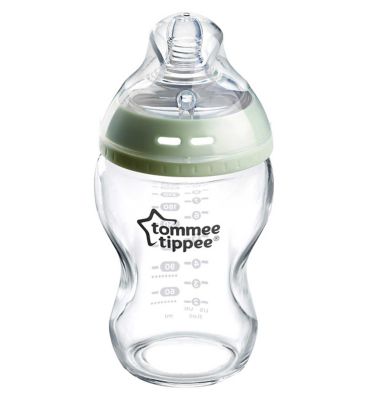
Tommee Tippee Closer to Nature Glass Baby Bottle 250ml
Tommee Tippee
- • Glass body, silicone teat
- • Anti-colic valve
Honest caveat: The screw collar and cap are plastic, though milk touches mainly the glass and silicone teat. Glass is heavier and can break if dropped on a hard floor.
£8.49
boots.com

Lansinoh Glass Feeding Bottle 240ml with NaturalWave Teat
Lansinoh
- • Thermal-shock-resistant glass
- • Fits Lansinoh pumps
Honest caveat: The 240ml size ships with a medium-flow teat, which can be too fast for newborns; the 160ml version has a slow-flow teat. The collar is plastic.
£10.99
lansinoh.co.uk

Hevea Wide Neck Glass Bottle With Rubber Sleeve 250ml
Hevea
- • Borosilicate glass
- • Natural rubber teat and sleeve
Honest caveat: Natural rubber is latex, so avoid it if anyone in the family has a latex allergy. Rubber teats wear faster than silicone, especially if boiled, so check them often.
£19.95
babipur.co.uk

Dr Brown’s Options+ Anti-Colic 270ml Single Glass Baby Bottle
Dr Brown's
- • Glass body
- • Removable internal vent
Honest caveat: The vent is made of plastic parts that sit inside the milk and add extra pieces to clean and sterilise. ’Clinically proven’ colic claims come from the brand; independent evidence on anti-colic bottles is limited.
£14.49
drbrowns.co.uk

Dr Brown’s Glass Wide-Neck Baby Bottle Set
Dr Brown's
- • Wide-neck glass
- • Internal vent system
Honest caveat: Same caveat as the single bottle: the vent adds plastic parts and cleaning time. Check the set contents on the page, as Dr Brown’s changes bundles.
£27.99
drbrowns.co.uk

Hevea Standard Neck Glass Baby Bottles 2 Pack 240ml
Hevea
- • Two 240ml glass bottles
- • Natural rubber teats
Honest caveat: No sleeve, so the glass is more exposed to drops. Natural rubber (latex) teats need replacing more often than silicone ones.
£29.95
babipur.co.uk
We may earn a commission if you buy through our links. How we choose ›
How strong is the research? What our grades mean ›
- Strong research
- Independent certification or lab data for the specific claim.
- Promising research
- The material is well supported, but there is no product-level testing.
- Early research
- Little independent research.
- Mixed research
- Research findings disagree.
- £
- Under £20
- ££
- £20 to £79
- £££
- £80+
Our picks at a glance
| Product | Best for | Material/key feature | Price | Evidence grade |
|---|---|---|---|---|
| Tommee Tippee Closer to Nature Glass 250ml | Budget, easy to find | Glass body, silicone teat | £8.49 | Promising |
| Lansinoh Glass Feeding Bottle 240ml | Pumping parents | Thermal-shock-resistant glass, fits Lansinoh pumps | £10.99 | Promising |
| Dr Brown's Options+ Glass 270ml | Windy babies | Glass with internal vent | £14.49 | Promising |
| Dr Brown's Glass Wide-Neck Set | Setting up in one go | Wide-neck glass, vent system | £27.99 | Promising |
| Hevea Wide Neck Glass Bottle with Sleeve 250ml | Plastic-free with drop protection | Borosilicate glass, natural rubber teat and sleeve | £19.95 | Promising |
| Hevea Standard Neck Glass Bottles 2 Pack | Plastic-free pair | Borosilicate glass, natural rubber teats | £29.95 | Promising |
Why choose glass baby bottles?
Most baby bottles in the UK are polypropylene, a plastic that is legal and widely used. The concern is what happens when it is heated. In a 2020 study in Nature Food, researchers at Trinity College Dublin found polypropylene bottles released up to 16.2 million microplastic particles per litre during formula preparation. Sterilising and high-temperature water, both of which the NHS asks you to use, increased the release.
The authors called for urgent work on whether this matters for health. The UK Committee on Toxicity has said there is too little data to judge the effects of swallowed microplastics. So the honest position is: plastic bottles shed particles when heated, glass does not, and the health effects are unknown. Glass removes the question at the cost of more weight and the risk of breakage.
Glass vs stainless steel vs plastic bottles
| Bottle type | Sheds plastic when heated? | Weight | Breakage | Can you see the milk? |
|---|---|---|---|---|
| Glass | No (body) | Heavy | Can break if dropped | Yes |
| Stainless steel | No (body) | Light | Dents, does not break | No |
| Polypropylene or other plastic | Yes, in lab tests | Light | Rarely | Yes |
Stainless steel baby bottles, such as Pura, are popular in the US, but we could not find a UK retailer with confirmed stock and pricing when we checked, so we have not included one. Whatever the body, the teat is usually silicone or natural rubber, and most collars are plastic.
How should you sterilise glass baby bottles?
Follow the NHS advice on sterilising: sterilise all feeding equipment until your baby is at least 12 months old. Wash bottles and teats in hot soapy water first, rinse, then sterilise by one of three methods:
- Cold water steriliser: soak for at least 30 minutes and change the solution every 24 hours.
- Steam (electric or microwave steriliser): follow the maker's instructions.
- Boiling: check items can be boiled, then boil for at least 10 minutes, keeping everything under water. Teats wear faster when boiled.
A dishwasher cleans but does not sterilise. Glass handles all three methods well; check the maker's guidance for teats and collars.
When making up formula, the NHS says to use water that has boiled and cooled for no more than 30 minutes, so it is still at least 70C, and never to warm a feed in the microwave. Glass gets hot to hold, so a sleeve helps. If you are breastfeeding and only use bottles now and then, a single glass bottle is plenty to start with.
How we chose
We looked for glass bottles from brands with confirmed UK stock and pricing in October 2026, covering budget to premium, silicone and natural rubber teats. We checked materials on brand or retailer pages. We could not confirm UK prices for Philips Avent Natural Response glass or MAM Feel Good glass at the time of checking, and Haakaa's glass bottle was out of stock, so they are not in our picks, though all are reasonable choices if you find them.
Tommee Tippee Closer to Nature Glass 250ml: budget pick
Glass body with Tommee Tippee's wide, breast-shaped silicone teat and anti-colic valve, under £9 at Boots. Easy to find spares. Caveat: the collar and cap are plastic, and glass is heavier for small hands.
Lansinoh Glass Feeding Bottle 240ml: best for pumping
Screws straight onto Lansinoh breast pumps, so you can express, store and feed from one bottle. Caveat: the 240ml size comes with a medium-flow teat that may be too fast for newborns; the 160ml has a slow-flow teat.
Dr Brown's Options+ Glass 270ml: best for windy babies
Dr Brown's internal vent moves air away from the milk, and can be removed later. Caveat: the vent adds plastic parts inside the milk and extra pieces to clean, and evidence that anti-colic bottles reduce colic comes mainly from brands.
Dr Brown's Glass Wide-Neck Set: best starter set
Wide necks make formula easier to add and the bottle easier to brush clean. Caveat: same vent caveat; check bundle contents on the page.
Hevea Wide Neck Glass Bottle with Sleeve: best plastic-free
Borosilicate glass with a natural rubber teat and a rubber sleeve that cushions drops and heat. No plastic parts, says Hevea. Caveat: natural rubber is latex, so avoid if anyone in the home has a latex allergy, and rubber teats need replacing more often.
Hevea Standard Neck Glass Bottles 2 Pack: plastic-free pair
Two borosilicate bottles with cherry-shaped natural rubber teats that can be boiled, steamed or dishwashed. Caveat: no sleeve, and the same latex caveat applies.
What to look for in a glass baby bottle
- Borosilicate or tempered glass, which copes with boiling water and sudden temperature changes better than ordinary glass.
- A teat your baby accepts. This matters more than the bottle. Buy one bottle first and try it before buying a set.
- Teat material. Silicone is clear, lasts longer and suits latex allergies. Natural rubber is softer but wears faster and contains latex.
- Neck width. Wide necks are easier to fill with formula and clean; standard necks fit more accessories.
- A sleeve if you worry about drops or the glass feeling hot.
- Spares in the UK. Brands sold at Boots or with UK shops make replacing teats and collars easy.
- Pump compatibility if you express milk, so you can pump straight into the bottle.
Whatever you choose, replace teats as soon as they look cracked, sticky or misshapen, and check glass for chips before each use.
What to avoid
- Warming bottles in the microwave, glass or not.
- Cracked or chipped glass bottles: replace them.
- Natural rubber teats for babies or carers with latex allergy.
- Old, cloudy or scratched plastic bottles if you are keeping plastic.
Bottom line
Glass baby bottles avoid the microplastic shedding seen in lab tests of heated polypropylene bottles, and they handle NHS sterilising methods well. The health effects of that shedding are still unknown, so glass is a sensible precaution rather than a must. Pick a teat your baby accepts, use a sleeve if you worry about drops, and follow NHS sterilising and formula guidance whichever bottle you use.
Frequently asked questions
Are glass baby bottles better than plastic?
+
Glass does not shed microplastics, while a 2020 Nature Food study found polypropylene bottles released millions of particles per litre when heated and sterilised. The health effects of those particles are unknown. Glass is heavier and can break; plastic is lighter and legal to use. Glass is a reasonable precaution if you are happy with the weight.
How do I sterilise glass baby bottles?
+
The NHS says to sterilise all feeding equipment until your baby is at least 12 months old. Wash in hot soapy water first, then use a cold water steriliser for at least 30 minutes, a steam steriliser, or boil for at least 10 minutes. Glass handles all three. A dishwasher cleans but does not sterilise.
Can glass baby bottles go in the microwave?
+
You should not warm feeds in the microwave in any bottle. The NHS warns it heats milk unevenly and can burn your baby's mouth. Some glass bottles can go in microwave steam sterilisers, so check the maker's instructions for sterilising.
Are glass baby bottles heavy for babies?
+
They are heavier than plastic, which matters most when babies start holding their own bottle. Smaller 120ml to 160ml sizes are lighter, and silicone or rubber sleeves add grip. For the early months, a parent usually holds the bottle anyway.
What if my baby has a latex allergy?
+
Avoid natural rubber teats, such as those on Hevea bottles, as natural rubber is latex. Choose a glass bottle with a silicone teat instead, such as Tommee Tippee, Lansinoh or Dr Brown's. Speak to your health visitor or GP if you think your baby may have an allergy.
Are stainless steel baby bottles available in the UK?
+
Some stainless steel baby bottles, such as Pura, are sold in the US and through third-party importers, but we could not confirm a UK retailer with stock and pricing when we checked. Stainless steel is light and unbreakable but you cannot see how much milk is left.
Last updated