Test & Track
Oura vs WHOOP vs Ultrahuman (UK 2026): Which Tracker, and What Does It Really Cost?
Quick answer
For most UK buyers, Oura is the best-validated ring for sleep timing and resting heart rate, but it costs about £609 over three years with membership. WHOOP suits regular exercisers (from £169 a year, device included). Ultrahuman Ring Air has no subscription, but far less independent validation. None of them diagnoses anything.
Our picks
Oura Ring 5
Oura
- • From £399 plus £69.99 a year membership
- • Up to 9 days battery (brand claim)
Honest caveat: You pay £399 (£499 for premium finishes) plus a £5.99 a month or £69.99 a year membership; without it you only see three basic scores. Most published studies tested older rings, not Ring 5, and the main Gen 3 sleep validation was funded by Oura. Its Health Radar blood pressure features were not available in the UK at launch.
Amazon · t3.com
WHOOP 5.0 with Peak Membership (12 months)
WHOOP
- • £169, £229 or £349 a year (One, Peak, Life)
- • No screen, 14+ day battery
Honest caveat: Over three years Peak costs about £687, more than buying most rings outright. WHOOP Age is a company algorithm, not a validated medical test. In July 2025 the US FDA issued a warning letter saying WHOOP’s Blood Pressure Insights feature was an unauthorised medical device; WHOOP disputes this.
techradar.com
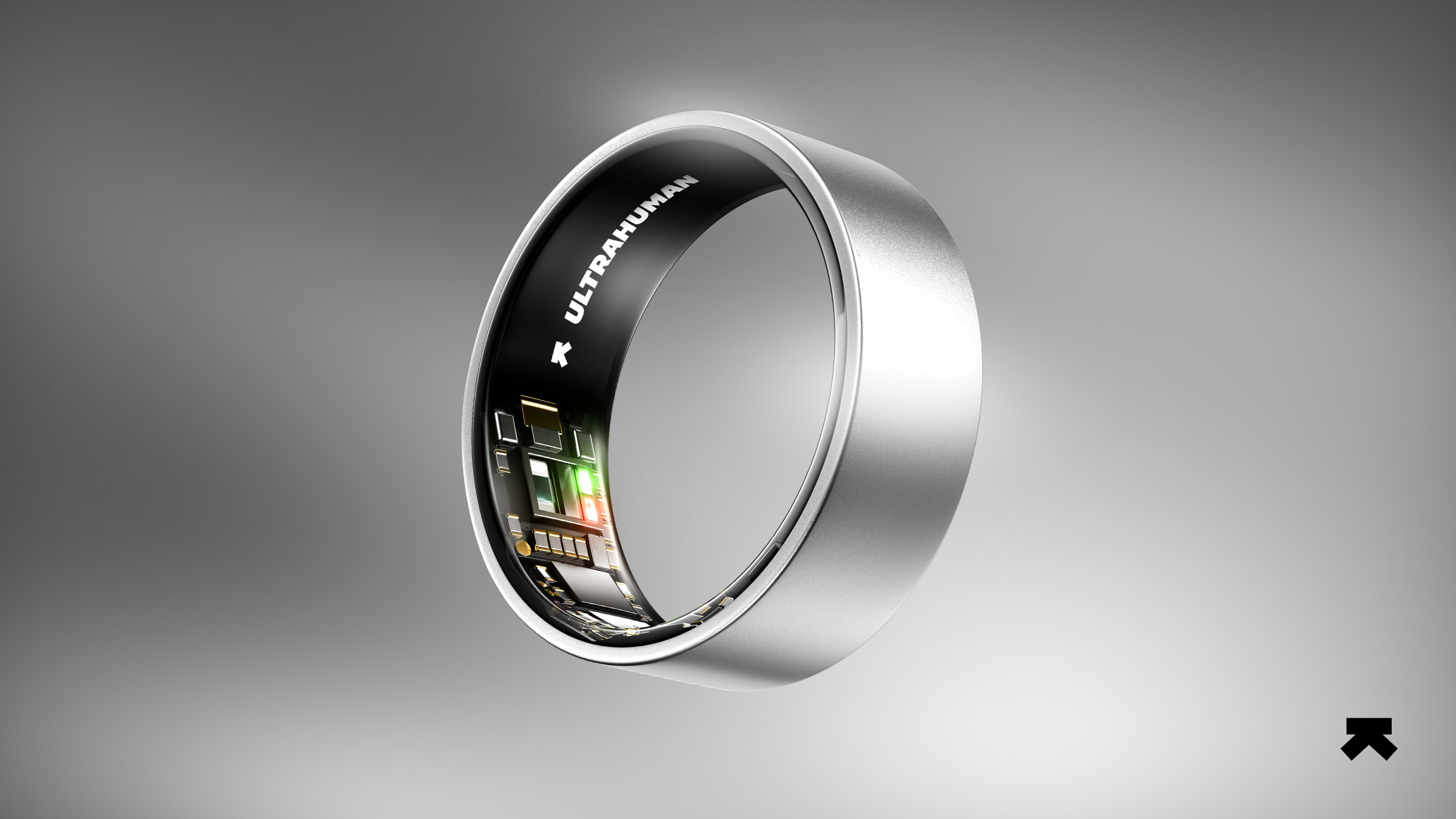
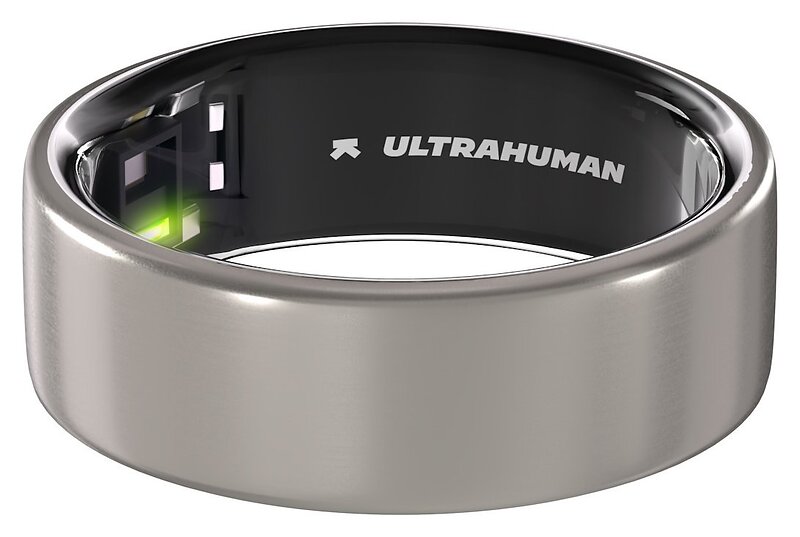
Ultrahuman Ring Air
Ultrahuman
- • No subscription for core data
- • £247 at Currys when checked
Honest caveat: We found far less independent validation for Ultrahuman than for Oura or WHOOP. Battery is 4 to 6 days. In October 2025 a US trade ruling found Ultrahuman infringed Oura patents and blocked US imports; this covers the US, but it adds uncertainty about the company’s future. Price varies a lot between UK retailers.
Amazon · pricespy.co.uk

Oura Ring 4
Oura
- • £244 at John Lewis (was £349)
- • Up to 8 days battery
Honest caveat: The Oura membership (£5.99 a month or £69.99 a year) still applies after the first free month. It is bulkier than Ring 5, and discounted stock may sell out.
Amazon · johnlewis.com
We may earn a commission if you buy through our links. How we choose ›
How strong is the research? What our grades mean ›
- Strong research
- Independent certification or lab data for the specific claim.
- Promising research
- The material is well supported, but there is no product-level testing.
- Early research
- Little independent research.
- Mixed research
- Research findings disagree.
- £
- Under £20
- ££
- £20 to £79
- £££
- £80+
Which is better: Oura, WHOOP or Ultrahuman?
Short answer: pick Oura if sleep is your main interest and you are happy to pay a membership; pick WHOOP if you train most days and want strain and recovery coaching; pick Ultrahuman if avoiding subscriptions matters more than proven accuracy. All three measure the same basics overnight (heart rate, heart rate variability or HRV, skin temperature and movement), so the differences are in comfort, cost, battery and how much independent testing backs them.
These are wellness gadgets, not medical devices for diagnosis. If a tracker flags something unusual, such as a persistently raised resting heart rate, treat it as a reason to talk to your GP, not a result.
Our picks at a glance
| Product | Best for | Type | Battery life (per charge) | Price | Evidence grade |
|---|---|---|---|---|---|
| Oura Ring 5 | Sleep-focused users | Titanium ring | Up to 9 days | £399 + £69.99/yr | Promising |
| WHOOP 5.0 (Peak) | Regular exercisers | Screenless strap | 14+ days | £229/yr (device included) | Promising |
| Ultrahuman Ring Air | No subscription | Titanium ring | 4 to 6 days | About £247 | Early |
| Oura Ring 4 | Oura on a budget | Titanium ring | Up to 8 days | £244 + £69.99/yr | Promising |
What do they really cost over three years?
This is where most comparisons go wrong, because the three brands charge in completely different ways. Oura sells the ring and then charges £5.99 a month or £69.99 a year for full data. WHOOP gives you the strap free but you must keep paying: £169 (One), £229 (Peak) or £349 (Life) a year in the UK. Ultrahuman charges once.
| Option | Year 1 | Three-year total |
|---|---|---|
| Oura Ring 5 + annual membership | £469 | about £609 |
| Oura Ring 4 (John Lewis price) + membership | £314 | about £454 |
| WHOOP One | £169 | £507 |
| WHOOP Peak | £229 | £687 |
| WHOOP Life (with ECG) | £349 | £1,047 |
| Ultrahuman Ring Air | about £247 | about £247 |
Prices checked October 2026. Retailer discounts are common, so check before buying. Without its membership, Oura only shows three daily scores, so budget for it.
How accurate are they?
The most useful independent comparison is a 2022 sleep lab study that put 53 adults in a lab overnight wearing six devices at once, alongside polysomnography (the gold-standard sleep test using brain, eye and muscle sensors). For telling sleep from wake, Oura agreed 89% of the time and WHOOP 86%. For specific sleep stages (light, deep, REM), agreement fell to 61% for Oura and 60% for WHOOP. The authors concluded that all six devices were valid for sleep timing and duration but "require improvement" for sleep stages. Note that the research group receives support from WHOOP.
A 2024 study of the Oura Gen 3 against multi-night lab testing found no significant difference from polysomnography for total sleep time, light sleep or deep sleep, with staging accuracy between 75% and 91%. Several authors were funded by Oura, so independent replication matters.
We found much less published validation for Ultrahuman. That does not mean it is inaccurate, only that you are taking more on trust.
What this means for you: trust the trends in total sleep, bedtime regularity, resting heart rate and HRV over weeks. Do not read much into a single night's "deep sleep" number on any device.
How we chose
We looked at UK prices and subscription terms from brand sites and UK retailers, battery life, comfort, and published validation against lab reference tests (polysomnography for sleep, ECG for heart rate). We gave more weight to studies not funded by the brand and noted funding where it exists. We did not count "readiness" or "age" scores as evidence, because these are company algorithms.
Oura Ring 5: best overall for sleep
Oura has the strongest body of validation of the three and the most mature app. Ring 5 is about 40% smaller and lighter than Ring 4, lasts up to nine days, and costs from £399 (premium finishes £499). It is the easiest of the three to forget you are wearing, which matters because sleep data is only useful if you wear it every night.
Honest caveat: the membership adds about £70 a year, most studies tested older rings, and the new Health Radar blood pressure features were not available in the UK at launch. Rings can be uncomfortable during weightlifting.
WHOOP 5.0 (Peak): best for training and recovery
WHOOP is built for people who exercise often. Its strain score, automatic workout detection and recovery coaching are more developed than Oura's, and the 14+ day battery with a clip-on charger means you rarely take it off. Peak adds a "Healthspan" section with a WHOOP Age estimate.
Honest caveat: you never own a working device outright; stop paying and it stops being useful. WHOOP Age is a proprietary estimate, not a validated clinical measure. In July 2025 the US regulator issued WHOOP a warning letter saying its blood pressure estimates (Life tier) counted as an unauthorised medical device. WHOOP disputes this, but it is a reminder to treat those numbers as rough.
Ultrahuman Ring Air: best with no subscription
Ultrahuman states there are no recurring fees for your data, which makes it far cheaper over time. It is very light (2.4 to 3.6 g) and tracks the same overnight signals.
Honest caveat: battery is shorter at 4 to 6 days, independent validation is thin, and some extra features are sold as paid add-ons. In October 2025 a US trade ruling blocked imports of Ultrahuman rings into the US after finding it infringed Oura patents. UK sales were not covered by that ruling, but it adds some uncertainty.
Oura Ring 4: the cheaper way into Oura
With Ring 5 out, John Lewis had Ring 4 at £244 (was £349) when we checked. It runs the same app and most of the same features, with up to eight days of battery. Caveat: it is bulkier, and the membership still applies.
What the evidence says about using these for longevity
The metrics with the strongest links to long-term health are not sleep stages. A meta-analysis of 15 cohorts found more daily steps were associated with lower death rates, levelling off at around 6,000 to 8,000 steps for over-60s. Higher cardiorespiratory fitness is one of the strongest predictors of lower mortality. Regular sleep timing and enough total sleep matter more than how much "deep sleep" a device reports.
| Claim | Evidence grade | Best evidence |
|---|---|---|
| Accurately measures total sleep and timing | Strong | Sleep lab comparison, 2022 |
| Accurately measures sleep stages | Mixed research | Same study: 50 to 65% stage agreement |
| Overnight resting heart rate and HRV are reliable | Promising | Sleep lab ECG comparison |
| "Readiness", "recovery" or "age" scores predict health | Early | No independent outcome studies found |
| Wearing one improves long-term health | Early | Associations only; no long-term trials |
Who should be careful?
If you find yourself anxious about scores or chasing perfect numbers (sometimes called orthosomnia, worry about sleep data), take the device off for a week. Anyone with symptoms such as chest pain, palpitations, fainting or loud snoring with daytime sleepiness should see a GP rather than rely on a tracker.
Bottom line
Oura Ring 5 is our top pick for sleep-focused users who will pay the membership; Oura Ring 4 at a discount is the value route. WHOOP is the better tool if training is central to your week, but it costs the most over time. Ultrahuman is the cheapest long-term option if you can live with less validation. Whatever you choose, use it to build steady habits (regular sleep, more steps, better fitness), not to chase nightly scores.
Frequently asked questions
Is Oura or WHOOP more accurate for sleep?
+
In a 2022 sleep lab study testing six wearables at once, Oura agreed with the gold-standard test on sleep versus wake 89% of the time and WHOOP 86%. For sleep stages, both were around 60%. In practice both are good for total sleep and timing and approximate for stages. The study's research group receives WHOOP support, and the main Oura Gen 3 study had Oura-funded authors.
How much is the Oura membership in the UK?
+
Oura membership costs £5.99 a month or £69.99 a year in the UK. New buyers usually get the first month free. Without membership you see only your three daily scores (Readiness, Sleep and Activity) and basic settings, so most owners keep paying. Over three years that adds about £210 to the price of the ring.
How much does WHOOP cost in the UK?
+
WHOOP has three annual UK tiers: One at £169, Peak at £229 and Life at £349. The strap is included in every tier, but you have to keep paying to use it. Life is the only tier with the WHOOP MG device and its ECG and blood pressure estimate features. Retailers such as Amazon and Currys also sell 12-month memberships.
Does Ultrahuman need a subscription?
+
No. Ultrahuman says there are no recurring subscription fees for accessing your Ring Air data. It does sell optional paid add-ons called PowerPlugs, such as advanced cycle tracking. That makes it the cheapest of the three over several years, though it has much less independent validation published than Oura or WHOOP.
Can I still buy Ultrahuman in the UK after the US ban?
+
Yes. The October 2025 US International Trade Commission ruling blocks imports and sales of Ultrahuman rings in the United States after it found the rings infringed Oura patents. It does not cover the UK, where Ultrahuman is still sold online and through retailers such as Currys. Check warranty and support terms before buying.
Can a smart ring or WHOOP diagnose health problems?
+
No. These are wellness devices. They can spot changes in your own trends, such as a raised resting heart rate during illness, but they are not designed or approved to diagnose conditions. If you notice a persistent change, or have symptoms like chest pain, palpitations or breathlessness, speak to your GP or call NHS 111.
Last updated