Test & Track
Best Fitness and Sleep Trackers for Longevity UK (2026): Rings, Bands and Watches Compared
Quick answer
The best tracker for longevity is one you will wear every day that reliably counts steps, estimates fitness and times your sleep. Our top pick is the Oura Ring 5 for sleep (£399 plus membership). For no subscription, choose the Garmin CIRQA (£179.99) or Polar Loop (£149.50). iPhone users get the most from an Apple Watch.
Our picks
Oura Ring 5
Oura
- • From £399 plus £69.99 a year membership
- • Up to 9 days battery (brand claim)
Honest caveat: You pay £399 (£499 for premium finishes) plus a £5.99 a month or £69.99 a year membership; without it you only see three basic scores. Most published studies tested older rings, not Ring 5, and the main Gen 3 sleep validation was funded by Oura. Its Health Radar blood pressure features were not available in the UK at launch.
Amazon · t3.com

Garmin CIRQA Smart Band
Garmin
- • £179.99, no subscription
- • Up to 10 days battery
Honest caveat: CIRQA itself is new and we found no published validation for this exact model. Without a screen you rely on the phone app, and Garmin’s sleep stage estimates, like all wrist devices, are approximate.
garmin.com

Apple Watch Series 12
Apple
- • From £369 (SE 3 from £219)
- • Irregular rhythm alerts studied in large trials
Honest caveat: Battery life is much shorter than rings or bands, which makes overnight sleep tracking less convenient. Sleep stage estimates are approximate. A rhythm alert is a prompt to see a GP, not a diagnosis.
Amazon · apple.com

Fitbit Charge 6
Google Fitbit
- • £139.99 at Google Store
- • 7-day battery
Honest caveat: Some deeper insights sit behind Google Health Premium once the trial ends. Older Fitbit models tended to overestimate sleep time compared with sleep lab tests.
Amazon · store.google.com
WHOOP 5.0 with Peak Membership (12 months)
WHOOP
- • £169, £229 or £349 a year (One, Peak, Life)
- • No screen, 14+ day battery
Honest caveat: Over three years Peak costs about £687, more than buying most rings outright. WHOOP Age is a company algorithm, not a validated medical test. In July 2025 the US FDA issued a warning letter saying WHOOP’s Blood Pressure Insights feature was an unauthorised medical device; WHOOP disputes this.
techradar.com
Polar Loop
Polar
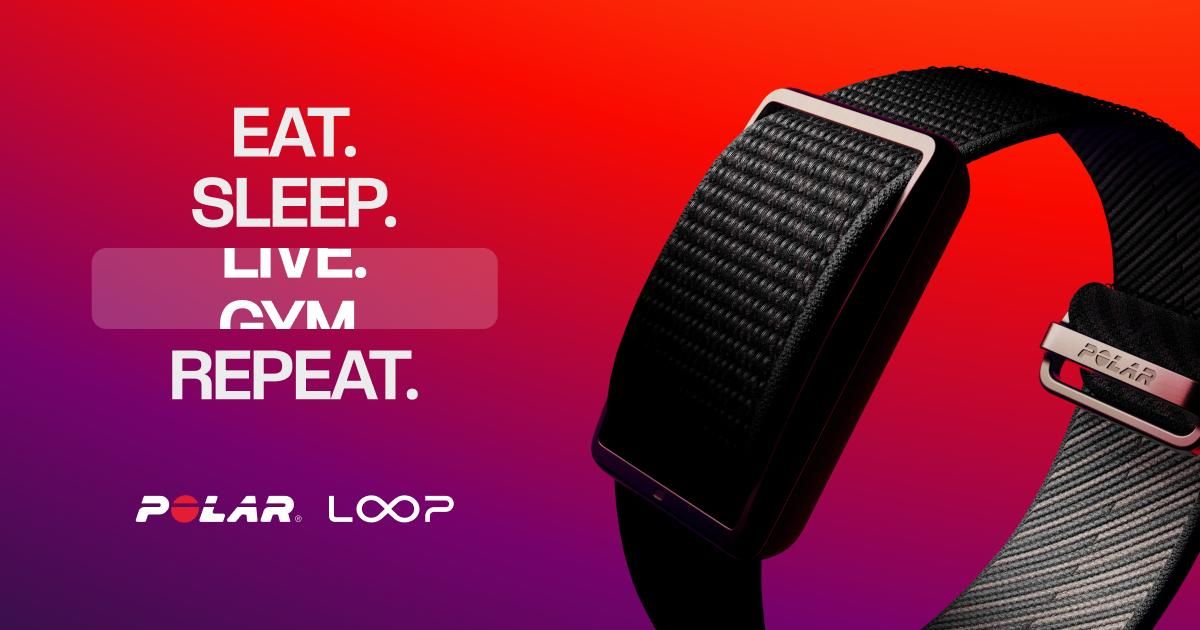
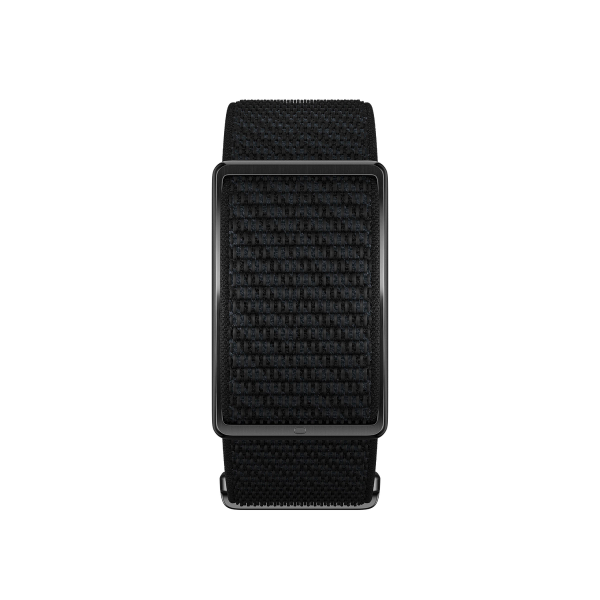
- • £149.50, no subscription
- • Up to 8 days battery
Honest caveat: This exact model has little published validation. Its feature set is simpler than WHOOP’s, and the app is less polished for recovery coaching.
Amazon · polar.com
Samsung Galaxy Ring
Samsung
- • £299 (was £399) at Samsung UK
- • No subscription
Honest caveat: It only works with Android phones, and some features need a Samsung phone. Independent sleep validation is limited compared with Oura. Battery is shorter than WHOOP or Garmin bands.
sammobile.com · Amazon
Ultrahuman Ring Air
Ultrahuman
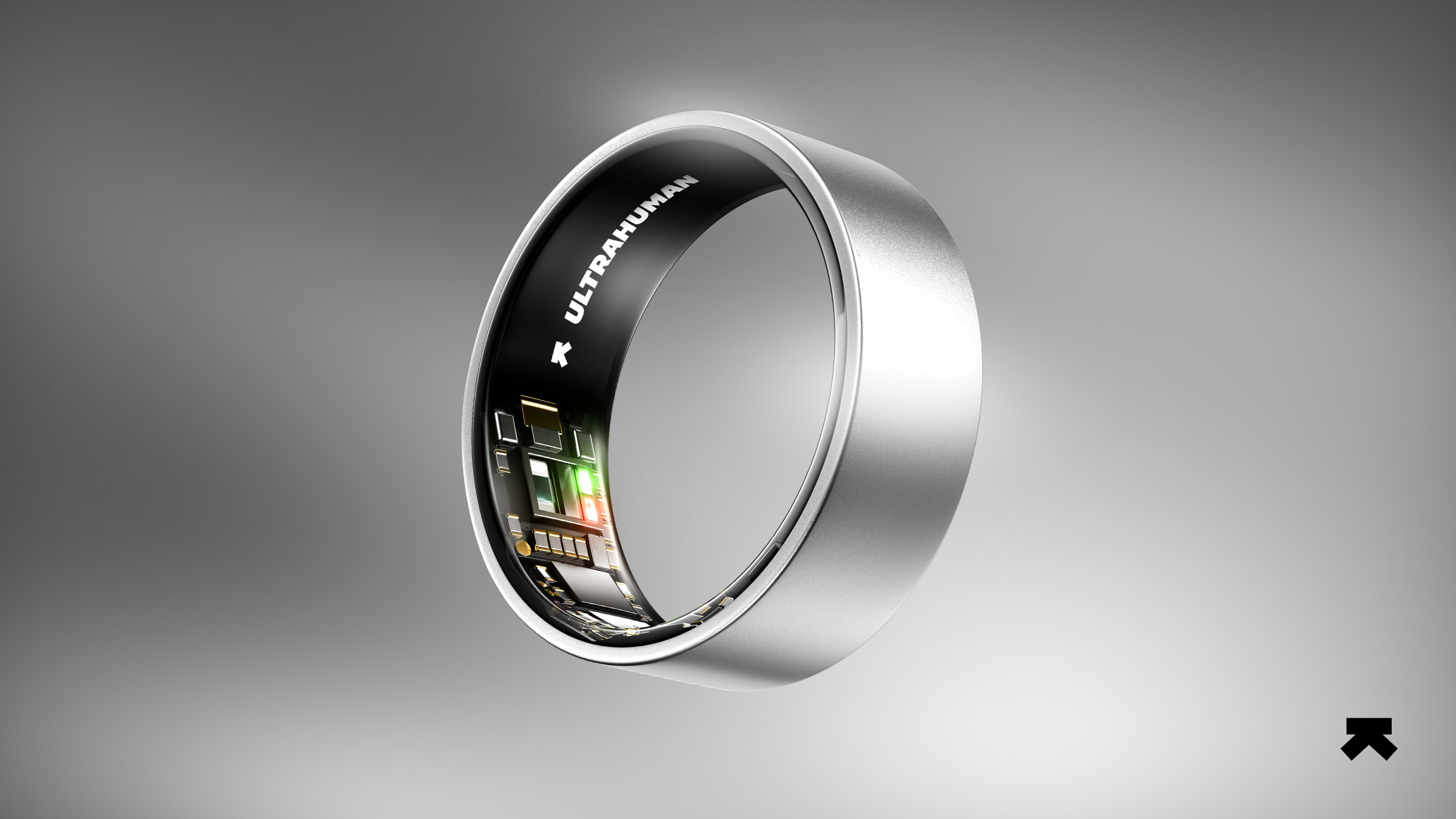
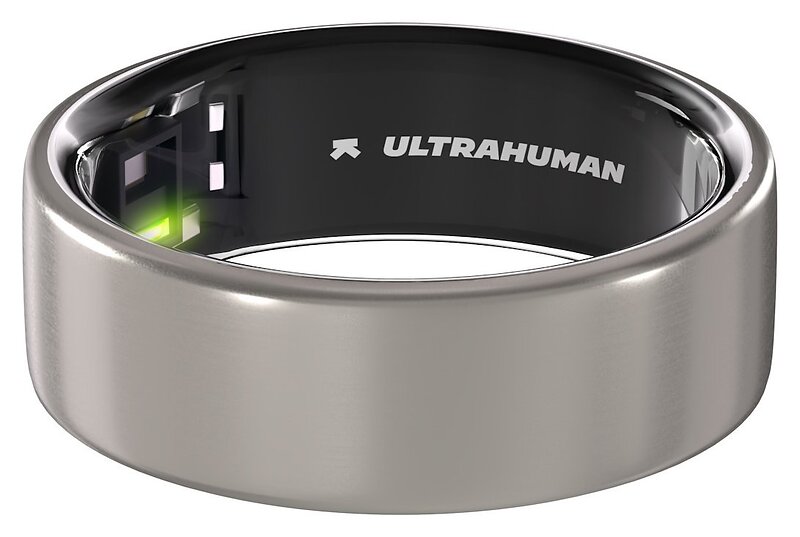
- • No subscription for core data
- • £247 at Currys when checked
Honest caveat: We found far less independent validation for Ultrahuman than for Oura or WHOOP. Battery is 4 to 6 days. In October 2025 a US trade ruling found Ultrahuman infringed Oura patents and blocked US imports; this covers the US, but it adds uncertainty about the company’s future. Price varies a lot between UK retailers.
Amazon · pricespy.co.uk

Oura Ring 4
Oura
- • £244 at John Lewis (was £349)
- • Up to 8 days battery
Honest caveat: The Oura membership (£5.99 a month or £69.99 a year) still applies after the first free month. It is bulkier than Ring 5, and discounted stock may sell out.
Amazon · johnlewis.com
We may earn a commission if you buy through our links. How we choose ›
How strong is the research? What our grades mean ›
- Strong research
- Independent certification or lab data for the specific claim.
- Promising research
- The material is well supported, but there is no product-level testing.
- Early research
- Little independent research.
- Mixed research
- Research findings disagree.
- £
- Under £20
- ££
- £20 to £79
- £££
- £80+
What is the best fitness tracker for living longer?
The research on longevity points to a short list of measurable things. A meta-analysis of 15 cohorts found more daily steps were associated with lower death rates, levelling off around 6,000 to 8,000 steps a day for people over 60 and 8,000 to 10,000 for younger adults. Higher cardiorespiratory fitness (how well your heart and lungs supply oxygen during exercise) is one of the strongest predictors of lower mortality. Regular, sufficient sleep is consistently linked to better health. Every tracker below covers steps and sleep; most estimate fitness (VO2 max) too.
These are wellness devices. They do not diagnose anything, and anything worrying should be discussed with your GP.
Our picks at a glance
| Product | Best for | Type | Battery life (per charge) | Price | Evidence grade |
|---|---|---|---|---|---|
| Oura Ring 5 | Sleep | Titanium ring | Up to 9 days | £399 + £69.99/yr | Promising |
| Garmin CIRQA | No subscription, screenless | Screenless band | Up to 10 days | £179.99 | Promising |
| Apple Watch Series 12 | iPhone users | Smartwatch | Up to 24 hours (charge daily) | From £369 | Promising |
| Fitbit Charge 6 | Value with a screen | Band with screen | Up to 7 days | £139.99 | Promising |
| WHOOP 5.0 (Peak) | Training load | Screenless strap | 14+ days | £229/yr | Promising |
| Polar Loop | Cheapest screenless | Screenless band | Up to 8 days | £149.50 | Promising |
| Samsung Galaxy Ring | Android ring, no fee | Titanium ring | 6 to 7 days | £299 | Early |
| Ultrahuman Ring Air | Ring, no fee | Titanium ring | 4 to 6 days | About £247 | Early |
| Oura Ring 4 | Discounted Oura | Titanium ring | Up to 8 days | £244 + £69.99/yr | Promising |
"Promising" here means the brand's devices have reasonable independent validation for heart rate and sleep timing; "Early" means we found little published testing.
How we chose
We checked current UK prices and subscription terms on brand sites and UK retailers. We prioritised devices with published validation against lab reference tests: polysomnography for sleep and ECG for heart rate. The best single comparison is a 2022 sleep lab study of Apple, Garmin, Polar, Oura and WHOOP devices worn at the same time: all agreed with the lab on sleep versus wake 86% to 89% of the time, but only 50% to 65% on sleep stages. We also looked at a meta-analysis of Fitbit sleep accuracy and the Apple Heart Study. We ranked lower any device that hides core data behind a subscription.
Oura Ring 5: best for sleep
A ring is the most comfortable thing to sleep in, and Oura has the most sleep validation of any ring. Ring 5 is about 40% smaller than Ring 4, with up to nine days of battery, from £399. Caveat: the £69.99 a year membership is needed for full data, and activity tracking is weaker than a watch.
Garmin CIRQA Smart Band: best screenless band with no subscription
Garmin's screenless band offers sleep score, HRV status, skin temperature, blood oxygen and Body Battery, with up to 10 days of battery for £179.99. Garmin describes it as subscription-free. It is the closest thing to a WHOOP without the ongoing fee. Caveat: it is new, and we found no published validation for this specific model, though Garmin wrist devices performed similarly to rivals in the sleep lab study.
Apple Watch Series 12: best for iPhone users
The Apple Watch does the most: accurate step and heart rate tracking, GPS for walks and runs, VO2 max estimates, sleep tracking and an ECG app. Its irregular rhythm notifications were tested in the 419,000-person Apple Heart Study, and a 2025 meta-analysis pooled the accuracy of smartwatch atrial fibrillation detection. Prices start at £369, or £219 for the SE 3. Caveat: it needs charging most days, which makes sleep tracking less convenient, and it only works with iPhone.
Fitbit Charge 6: best value band with a screen
Fitbit has the largest body of sleep validation of any consumer brand. Charge 6 lasts around 7 days, has a screen and built-in GPS, works on iPhone and Android, and costs £139.99 at the Google Store with three months of Google Health Premium. Caveat: some deeper insights need Premium after the trial, and older Fitbits tended to overestimate total sleep.
WHOOP 5.0 (Peak): best for training load
If you train most days and want guidance on how hard to push, WHOOP's strain and recovery coaching is the most developed. The strap is included in the £229 a year Peak membership (One is £169). Caveat: it costs about £687 over three years, and its "WHOOP Age" is a company estimate. The US regulator warned WHOOP in 2025 about its blood pressure feature.
Polar Loop: cheapest screenless option
At £149.50 with no subscription, Polar Loop tracks activity, sleep, recovery and heart rate around the clock with up to 8 days of battery, syncing to the free Polar Flow app. Caveat: fewer sensors and simpler insights than WHOOP or Garmin, and little published testing of this exact model.
Samsung Galaxy Ring: best ring for Android
Samsung cut the UK price to £299 and charges no membership. It suits people already using a Galaxy phone. Caveat: Android only, and less independent validation than Oura.
Ultrahuman Ring Air: ring with no subscription
Light, comfortable and with no recurring fee for data, at about £247 from UK retailers. Caveat: 4 to 6 day battery, thin independent validation, and a 2025 US import ban after a patent dispute with Oura.
Oura Ring 4: discounted Oura
Ring 4 was £244 at John Lewis (was £349) when we checked, with the same app and up to 8 days of battery. Caveat: bulkier than Ring 5, and the membership still applies.
What the evidence says
| Claim | Evidence grade | Best evidence |
|---|---|---|
| Trackers measure steps and heart rate well | Strong | Systematic review of activity trackers |
| More daily steps linked to longer life | Strong | Lancet Public Health meta-analysis |
| Total sleep and timing are measured well | Strong | Six-device sleep lab study |
| Sleep stages are measured well | Mixed research | Same study: 50 to 65% agreement |
| Watches can flag possible atrial fibrillation | Promising | Apple Heart Study |
| Readiness, recovery or "age" scores predict health | Early | No independent outcome studies found |
What to avoid
- Paying for features you will not use. A subscription you resent is wasted money. Work out the three-year cost.
- Reading single-night numbers. One poor "deep sleep" score means very little; look at weekly averages.
- Treating alerts as diagnoses. A heart rhythm or blood oxygen alert is a prompt to see a GP, not a result. Equally, a normal reading does not rule anything out if you have symptoms.
- Score anxiety. If tracking makes you worried about sleep, take a break from it.
Bottom line
For sleep, Oura Ring 5 is our top pick; for no subscription, Garmin CIRQA or Polar Loop; for iPhone users who want one device, Apple Watch. The tracker matters less than what you do with it: aim for more daily steps, some activity that gets you out of breath each week, and regular sleep times.
Frequently asked questions
Which fitness tracker has no subscription?
+
Garmin CIRQA (£179.99), Polar Loop (£149.50), Samsung Galaxy Ring (£299) and Ultrahuman Ring Air (about £247) give you core data without a subscription. Apple Watch health data is also free. Oura needs a £69.99 a year membership for full data, and WHOOP only works with an active membership. Fitbit includes three months of Premium, after which some features need a paid plan.
Is a smart ring or a watch better for sleep tracking?
+
For accuracy they are similar: in a 2022 sleep lab study, rings, straps and watches all agreed with the lab test on sleep versus wake 86% to 89% of the time. Rings are usually more comfortable in bed and last longer between charges, which means you are more likely to wear them every night. Watches do more during the day, including GPS.
How many steps a day should I aim for?
+
A meta-analysis of 15 cohorts found lower death rates with more steps, levelling off at about 6,000 to 8,000 steps a day for people over 60 and 8,000 to 10,000 for younger adults. Any increase from a low baseline is linked to benefit, so build up gradually. The NHS also recommends 150 minutes of moderate activity a week.
Can a fitness tracker detect heart problems?
+
Some watches, including Apple Watch, can flag an irregular rhythm that may be atrial fibrillation, and these features have been tested in large studies. They are screening prompts, not diagnoses, and can miss problems or give false alarms. If you get an alert or have palpitations, dizziness or chest pain, contact your GP or NHS 111.
Are sleep stage scores accurate?
+
Only roughly. In lab studies, consumer wearables matched the sleep lab on specific stages (light, deep, REM) about 50% to 65% of the time, compared with nearly 90% for simply telling sleep from wake. Use stage data as a loose guide and focus on total sleep time and keeping regular bedtimes and wake times.
What is VO2 max and why does it matter?
+
VO2 max is the maximum amount of oxygen your body can use during exercise, a measure of cardiorespiratory fitness. Higher fitness is one of the strongest predictors of lower mortality in large studies. Trackers estimate it from heart rate during walks or runs; the estimate is approximate, but the trend over months is a useful motivator.
Last updated