Women's Health
Bone Health for Women After Menopause: A UK Guide (2026)
Part of Women's health ›Quick answer
Bone loss speeds up after menopause as oestrogen falls. The NHS advises 700mg of calcium a day, ideally from food, and 10 micrograms of vitamin D, plus weight-bearing and strength exercise at least twice a week. If you have risk factors such as early menopause or a past fracture, ask your GP about a FRAX risk check and DEXA scan.
Our picks

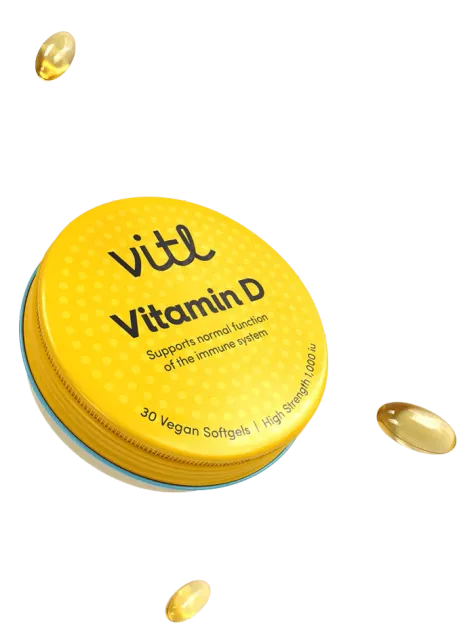
Viridian Vitamin D3 400iu (Vegan)
Viridian
- • 10 micrograms (400 IU) vitamin D3
- • Vegan, plant capsule
Honest caveat: No independent product-level test is published. Vitamin D supports bone health but does not ease hot flushes. Do not exceed 100 micrograms a day.
£7.55
viridian-nutrition.com

Viridian Calcium & Vitamin D3 (90 capsules)
Viridian
- • 400mg calcium plus 5mcg vitamin D3 per capsule
- • Plant cellulose capsule, no binders
Honest caveat: Food is the better source; the NHS says most people can get enough calcium from diet. Combined calcium and vitamin D shows only a modest effect on fractures in trials. It is pricier than tablet brands. Separate it from iron and thyroid medicines by a few hours.
£31.80
viridian-nutrition.com

JTX Hex Dumbbells (pair)
JTX Fitness
- • Hexagonal heads do not roll
- • 4kg, 10kg and 18kg pairs
Honest caveat: Only three pair options (4kg, 10kg, 18kg), so you will outgrow them as you get stronger. Rubber coatings can smell when new; air them out.
£32
jtxfitness.com

Strength Shop Heavy Duty Weighted Vest Adjustable 1-20KG
Strength Shop
- • Adjusts from 1kg to 20kg in 1kg steps
- • Front and back pockets balance the load
Honest caveat: Weighted vest studies in older women are small and mixed; the strongest bone evidence is for supervised heavy strength and impact training. Too much weight too soon can strain the back. Made for gym use, so it is bulky.
£79.99
strengthshop.co.uk
We may earn a commission if you buy through our links. How we choose ›
How strong is the research? What our grades mean ›
- Strong research
- Independent certification or lab data for the specific claim.
- Promising research
- The material is well supported, but there is no product-level testing.
- Early research
- Little independent research.
- Mixed research
- Research findings disagree.
- £
- Under £20
- ££
- £20 to £79
- £££
- £80+
Bone is living tissue that is constantly broken down and rebuilt. Oestrogen helps keep that balance, so when levels fall at menopause, bone loss speeds up. Over time this can lead to osteoporosis (bones that are weaker and break more easily), often with no symptoms until a fracture. The good news is that diet, exercise and, where needed, medical treatment all make a difference.
This guide covers what the NHS and UK bone experts recommend, the products that can help, and when to speak to a GP.
Why does bone loss speed up after menopause?
Oestrogen slows the cells that break bone down. When it drops, bone is removed faster than it is replaced. Common risk factors for osteoporosis include early menopause (before 45), a past fracture from a minor fall, low body weight, long-term steroid use, smoking, heavy drinking, a family history of hip fracture and some medical conditions. If any apply to you, raise them with your GP.
How much calcium do women need?
The NHS says adults need 700mg of calcium a day and that most people can get this from food. Good sources include:
- milk, cheese and yoghurt (a 200ml glass of milk gives roughly a third of daily needs)
- calcium-fortified plant drinks (check the label)
- tinned fish where you eat the bones, such as sardines and pilchards
- green leafy vegetables such as kale and broccoli (but not spinach, where calcium is poorly absorbed)
- tofu set with calcium, and bread made with fortified flour
The NHS warns that taking more than 1,500mg a day from supplements could lead to stomach pain and diarrhoea, and says 1,500mg or less a day is unlikely to cause harm. Food first, top up if needed.
How much vitamin D do you need?
Vitamin D helps your body absorb calcium. The NHS says adults need 10 micrograms (400 IU) a day and suggests everyone considers a supplement from October to March, when UK sunlight is too weak. People who rarely go outside, cover their skin or have darker skin may need it all year. Do not take more than 100 micrograms a day. Our vitamin D supplement guide compares options.
Do calcium and vitamin D supplements reduce fractures?
| Claim | Evidence grade | Best evidence |
|---|---|---|
| Vitamin D alone reduces fractures in the general population | Mixed research | JAMA Network Open meta-analysis, 2019 |
| Daily calcium plus vitamin D reduces fractures | Promising | JAMA Network Open meta-analysis, 2019 |
| Strength and impact training improves bone density after menopause | Promising | LIFTMOR trial, 2018 |
| Weighted vests on their own build bone | Early | Small, mixed studies |
A 2019 meta-analysis found vitamin D alone did not reduce fractures, but daily vitamin D with calcium was a more promising approach. The benefit is modest and clearest in people whose intake is low. Supplements support bone health; they are not a treatment for osteoporosis.
What exercise is best for bones?
The NHS says weight-bearing and resistance exercise are particularly important for bone density. Adults should do muscle-strengthening activities on 2 or more days a week, working all major muscle groups, alongside 150 minutes of moderate activity.
- Weight-bearing impact: brisk walking, stair climbing, dancing, skipping or small jumps (if your joints and bones allow).
- Strength training: squats, lunges, step-ups, rows and presses with dumbbells or kettlebells, built up gradually. Our home strength training guide explains how to start.
- Balance: tai chi, yoga or single-leg stands reduce the risk of falls, which matters as much as bone density.
The LIFTMOR trial found that supervised, high-intensity strength and impact training twice a week improved spine and hip bone density in postmenopausal women with low bone mass, with no serious problems. The key word is supervised: if you already have osteoporosis or a past spinal fracture, ask for a physiotherapist referral before lifting heavy. The Royal Osteoporosis Society has exercise advice for people with osteoporosis.
When should you ask your GP about a DEXA scan?
A DEXA scan is a short, low-dose X-ray that measures bone density, usually at the hip and spine. The NHS does not screen everyone. Instead, your GP can estimate your 10-year fracture risk using a tool such as FRAX or QFracture, then refer you for a scan if needed, following UK NOGG guidance. Ask your GP if you:
- went through menopause before 45, or had your ovaries removed
- have broken a bone in a minor fall after 50
- have taken steroid tablets for 3 months or more
- have a parent who broke a hip, or a condition such as rheumatoid arthritis, coeliac disease or an eating disorder
- have lost height or developed a curved upper back
Read our DEXA scan explainer for what the results mean. Private scans exist, but results are most useful when interpreted alongside your full risk by a GP.
What about HRT and bone medicines?
HRT reduces bone loss and fracture risk, and the NHS notes it can reduce the risk of osteoporosis. For women at high risk, GPs may also offer bone-strengthening medicines such as bisphosphonates. These are medical decisions to discuss with your GP; supplements and exercise work alongside them, not instead of them.
Our picks at a glance
| Product | Best for | Material/key feature | Price | Evidence grade |
|---|---|---|---|---|
| Vitamin DViridian Vitamin D3 400iu (Vegan) | Meeting NHS vitamin D advice | 10 micrograms D3 | £7.55 | Strong (for the dose) |
| Calcium supplementViridian Calcium & Vitamin D3 (90 capsules) | Topping up low dietary calcium | 400mg calcium plus 5mcg D3 | £31.80 | Promising |
| DumbbellsJTX Hex Dumbbells (pair) | Starting home strength training | Rubber hex heads | £32 | Promising |
| Weighted vestStrength Shop Heavy Duty Weighted Vest Adjustable 1-20KG | Adding load to walks and step-ups | 20 x 1kg removable weights | £79.99 | Early |
How we chose
We started with NHS advice on calcium, vitamin D and exercise, then picked products that make those steps easier. Supplements had to match NHS doses, use a short ingredient list with no sweeteners, flavourings or fillers, and be sold by a UK brand. Fitness kit had to let beginners start light and progress. We reused products already reviewed on our site where they fitted.
Viridian Vitamin D3 400iu (Vegan)
Gives exactly the 10 micrograms the NHS advises, in a plant capsule, for about 25p a day. Caveat: no independent product test is published, and you should count any vitamin D in a multivitamin or calcium product so your total stays under 100 micrograms a day.
Viridian Calcium & Vitamin D3 (90 capsules)
Each capsule gives 400mg calcium and 5 micrograms vitamin D3, with no binders, so one or two can top up a diet without overshooting. Caveat: food is the better source, the fracture benefit is modest, and it costs more than tablet brands. Take it a few hours apart from iron or thyroid medicines, and check with a GP if you have had kidney stones.
JTX Hex Dumbbells (pair)
Stable hex dumbbells that do not roll, ideal for squats, lunges and rows at home. Caveat: only three pair weights are listed (4kg, 10kg, 18kg), so you will outgrow them as you get stronger.
Strength Shop Heavy Duty Weighted Vest Adjustable 1-20KG
Twenty removable 1kg weights let you start very light and add load slowly to walking, step-ups and stair climbs. Caveat: evidence for vests alone is weak, and too much weight too soon can strain your back. Avoid unless a physiotherapist approves it if you have osteoporosis or a past spinal fracture.
Bottom line
After menopause, aim for 700mg of calcium a day from food, take 10 micrograms of vitamin D in autumn and winter, and do strength and weight-bearing exercise at least twice a week, building up gradually. If you have risk factors such as early menopause or a past fracture, ask your GP about a FRAX check and DEXA scan, and about whether HRT or other treatment is right for you.
Frequently asked questions
What is the best supplement for bone health after menopause?
+
Vitamin D at 10 micrograms a day is the one supplement the NHS suggests most adults consider. Calcium supplements are only needed if you cannot get 700mg a day from food. Combined calcium and vitamin D has a modest effect on fractures. Neither replaces exercise or medical treatment if you are at high risk.
Can you rebuild bone after menopause?
+
You can slow bone loss and sometimes improve bone density. A trial of supervised heavy strength and impact training found improvements at the spine and hip in women with low bone mass. HRT and bone medicines also help. Speak to a GP or physiotherapist before heavy training if you have osteoporosis.
How do I get a DEXA scan on the NHS?
+
Ask your GP. They will assess your fracture risk with a tool such as FRAX or QFracture and refer you for a DEXA scan if your risk is raised, for example after early menopause, a fracture from a minor fall or long-term steroid use. The NHS does not routinely screen everyone.
Is it possible to take too much calcium?
+
Yes. The NHS says taking more than 1,500mg a day from supplements could lead to stomach pain and diarrhoea. Most people can get the 700mg they need from food. Check the total from all products, including multivitamins and fortified foods, and ask a GP if you have had kidney stones.
Is walking enough to keep bones strong?
+
Walking helps, but it is a gentle load. The NHS recommends adding muscle-strengthening activities on 2 or more days a week. Brisk walking, stair climbing, skipping or dancing add more impact, and strength exercises with weights load the hips and spine more effectively.
Does HRT protect your bones?
+
Yes. HRT reduces bone loss and lowers the risk of osteoporosis, according to the NHS. Whether it is right for you depends on your symptoms, age and health history. Talk it through with your GP, who can weigh the benefits and risks for you.
Last updated