Personal Care
Best Sulphate-Free Shampoo UK (2026): 5 Picks and What to Check on the Label
Quick answer
The best sulphate-free shampoo for most UK buyers is Noughty To The Rescue (£8.99), which cleans with milder isethionates and has no silicones. For itchy scalps, Klorane Peony is one of the gentlest. Sulphate-free is not always hypoallergenic: check for fragrance, cocamidopropyl betaine and MI preservatives if your scalp reacts easily.
Our picks


Noughty To The Rescue Moisture Boost Shampoo
Noughty
- • No sulphates, no silicones
- • Isethionate and betaine cleansers
Honest caveat: It contains fragrance and cocamidopropyl betaine, one of the surfactants most linked to allergic contact dermatitis. The ’97% natural’ figure is a brand calculation.
lovenoughty.co.uk
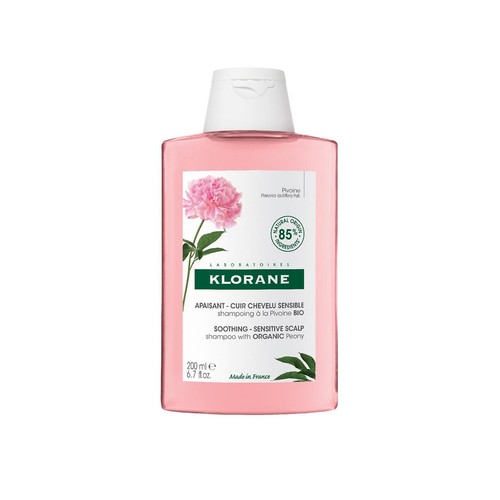
Klorane Soothing Shampoo with Organic Peony
Klorane
- • No sulphates
- • Very low-foam, mild cleansing
Honest caveat: It contains fragrance (listed as parfum). Because it barely foams, some people find it does not feel clean, and it may need a second wash for oily roots.
ocado.com
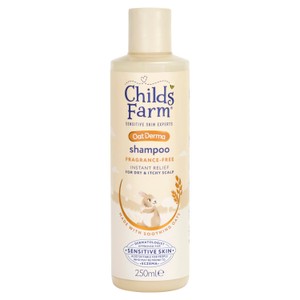
Childs Farm OatDerma Shampoo Fragrance-Free
Childs Farm
- • Fragrance-free
- • Sulfate-free (glucoside and sultaine cleansers)
Honest caveat: Mild cleansers may not shift heavy styling products or a very oily scalp in one wash.
Childs Farm
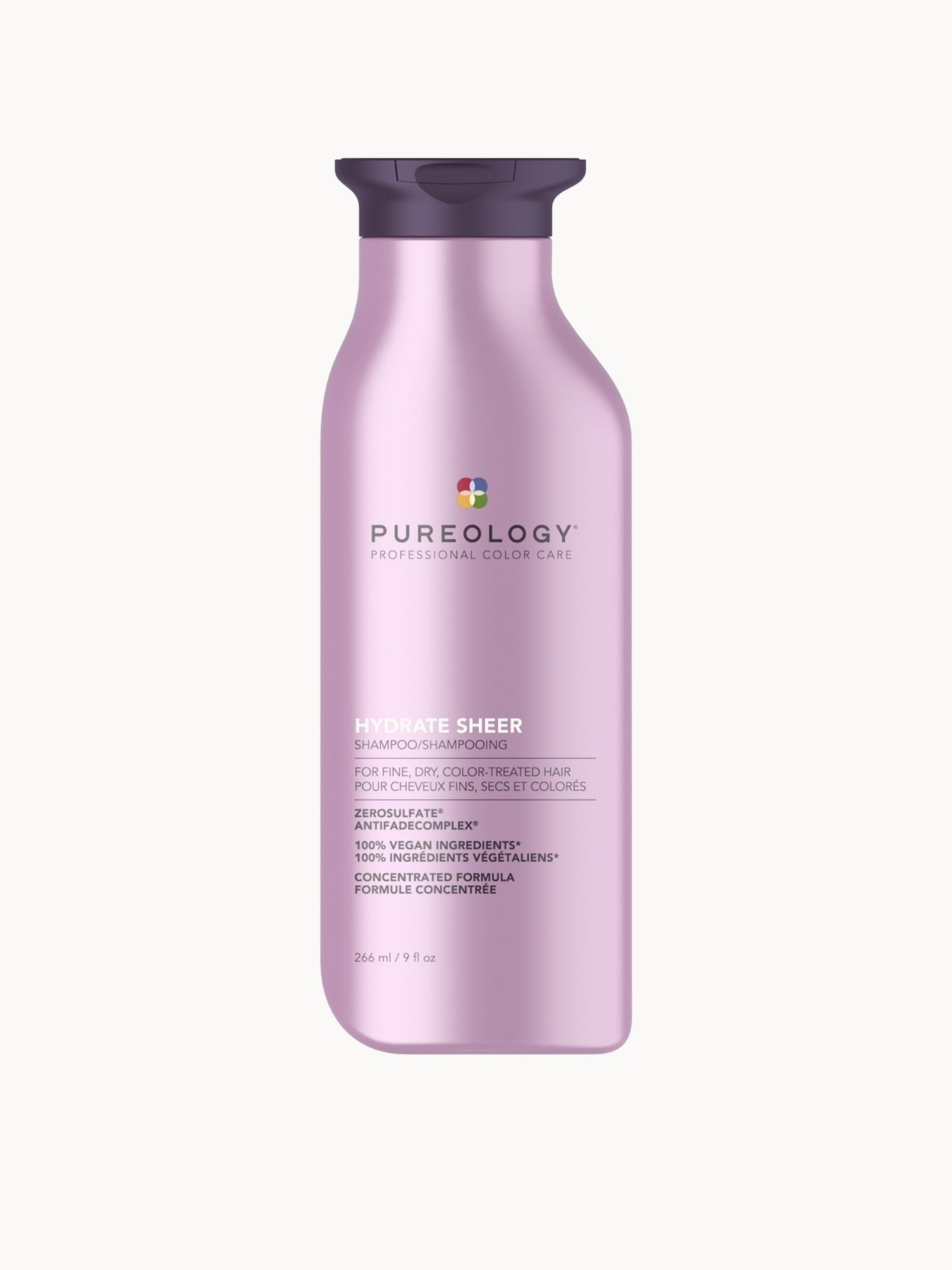
Pureology Hydrate Sheer Shampoo 266ml
Pureology
- • Sulphate-free, vegan
- • Mild isethionate cleansers
Honest caveat: It contains methylchloroisothiazolinone and methylisothiazolinone (preservatives that drove a wave of contact allergy in Europe; still allowed at low levels in rinse-off products), fragrance and silicones. Colour-protection claims are the brand’s own.
lookfantastic.com
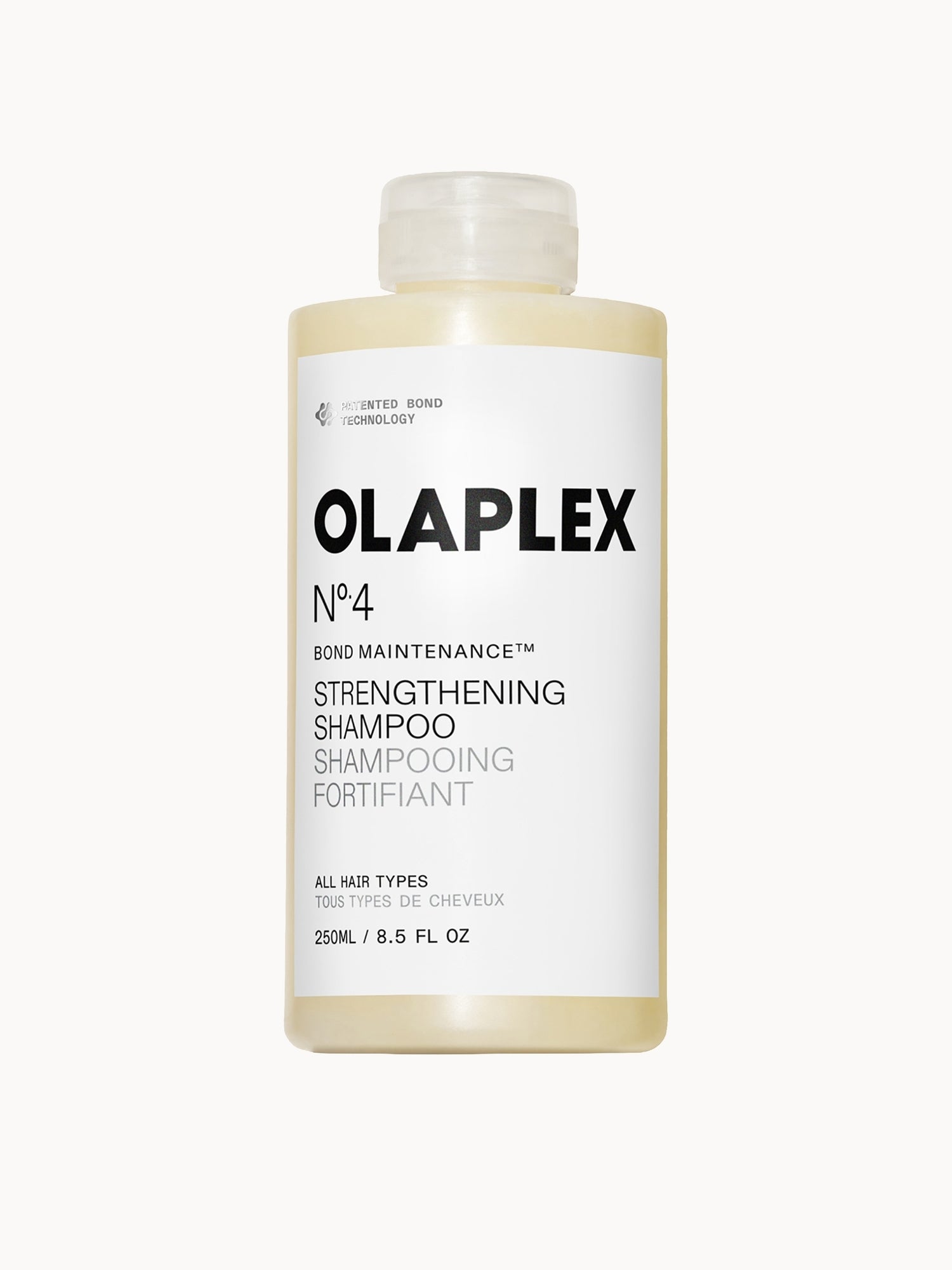
OLAPLEX No.4 Strengthening Shampoo 250ml
OLAPLEX
- • No SLS or SLES
- • Amino acid and glucoside cleansers
Honest caveat: The page itself does not use the words ’sulphate-free’; it lists sulfosuccinate and sulfoacetate cleansers (milder relatives, not sulphates). It contains fragrance and two yellow dyes, and bond-repair evidence comes mainly from the brand.
lookfantastic.com
We may earn a commission if you buy through our links. How we choose ›
How strong is the research? What our grades mean ›
- Strong research
- Independent certification or lab data for the specific claim.
- Promising research
- The material is well supported, but there is no product-level testing.
- Early research
- Little independent research.
- Mixed research
- Research findings disagree.
- £
- Under £20
- ££
- £20 to £79
- £££
- £80+
What is the best sulphate-free shampoo in the UK?
The best sulphate-free shampoo depends on why you want one. For most people with dry or frizzy hair, Noughty To The Rescue (£8.99) is our pick: genuinely sulphate-free, silicone-free and easy to buy. For an itchy or sensitive scalp, Klorane Soothing Shampoo with Peony is one of the mildest cleansers we found. For the whole family with no fragrance at all, choose Childs Farm OatDerma.
But "sulphate-free" is not the same as "gentle" or "allergy-free". Some sulphate-free shampoos contain fragrance, strong preservatives or other surfactants that are common allergens. This guide explains what to check on the label. If fragrance is your main concern, see our fragrance-free shampoo guide.
Our picks at a glance
| Product | Best for | Material/key feature | Price | Evidence grade |
|---|---|---|---|---|
| Noughty To The Rescue Moisture Boost Shampoo | Best overall | Isethionate and betaine cleansers, no silicones | £8.99 | Promising |
| Klorane Soothing Shampoo with Organic Peony | Best for sensitive scalps | Very low-foam, betaine-based | £11.00 | Promising |
| Childs Farm OatDerma Shampoo Fragrance-Free | Best fragrance-free and budget | Glucoside cleansers, oat | £6.00 | Promising |
| Pureology Hydrate Sheer Shampoo 266ml | Best for coloured fine hair | Isethionate cleansers, vegan | £26.00 | Early |
| OLAPLEX No.4 Strengthening Shampoo 250ml | Best for bleached hair | No SLS/SLES, bond-building complex | £30.00 | Early |
Grades describe how well each product's approach (milder cleansers, fewer common irritants) is supported, not proof it improves hair.
What are sulphates, and why avoid them?
Sulphates (also spelled sulfates) are cleaning agents called surfactants. The two most common in shampoo are sodium lauryl sulfate (SLS) and sodium laureth sulfate (SLES). They lather well and remove oil effectively, which is why they are cheap and popular.
SLS is a known skin irritant: it is so reliably irritating that dermatologists use it as the irritant control in patch testing. In a rinse-off shampoo the contact time is short, so most people have no problem. But if you have a sensitive scalp, eczema or dry, fragile hair, a milder surfactant can be kinder. A dermatology review of shampoos explains that strong anionic detergents clean well but can leave hair rough and frizzy, while milder surfactants and conditioning agents reduce this.
Common sulphate-free cleansers include isethionates (sodium cocoyl isethionate), glucosides (decyl, lauryl or coco-glucoside), betaines (cocamidopropyl betaine) and amino acid surfactants (sodium lauroyl sarcosinate, glutamates).
Is sulphate-free better for your health?
For most people, it is a comfort choice rather than a health one. There is no good evidence that sulphates in shampoo harm general health at normal use. The realistic benefits are:
- Less dryness and irritation for sensitive scalps.
- Slower colour fading, since gentler cleansers strip less dye (mostly brand-tested).
- Better results for curly and textured hair, which loses moisture more easily.
The trade-off is that very mild shampoos can struggle with oily roots or heavy styling products. Sulphate-free formulas can also work for dandruff when paired with a proven active: a small study of a sulphate-free shampoo with piroctone olamine showed good anti-dandruff results. For persistent flaking, the NHS dandruff page recommends medicated shampoos.
What else should you check on the label?
Swapping sulphates is only half the story. A review of surfactant allergy found that some of the products most linked to allergic contact dermatitis are sulphate-free surfactants such as cocamidopropyl betaine and decyl glucoside. Also look for:
- Fragrance (parfum) and named allergens such as linalool and limonene.
- Methylisothiazolinone (MI) and methylchloroisothiazolinone (MCI): preservatives that caused a European wave of contact allergy in the 2010s. They are now banned in leave-on products and restricted in rinse-off ones, but a 2024 European audit still found MI allergy in about 3% of patients patch tested, with rinse-off cosmetics the most common trigger.
- Sulfosuccinates and sulfoacetates: these sound like sulphates but are milder, different chemicals. They are allowed in many "sulphate-free" products.
If your scalp keeps reacting, the NHS advice on contact dermatitis suggests seeing a GP, who can refer you for patch testing.
How we chose
We read the full ingredient list of each candidate and kept only shampoos with no SLS, SLES or other sulphates. We then noted fragrance, MI/MCI and the main cleanser so you can match a product to your skin. Picks span £6 to £30 across five brands, and we checked prices on live UK pages (brand stores, Ocado and Lookfantastic) in October 2026. We left out a popular "sulphate-free style" shampoo we found still contained TEA-sulfate and MI.
The best sulphate-free shampoos, reviewed
Noughty To The Rescue: best overall
Cleans with cocamidopropyl betaine and isethionates, has no sulphates or silicones, and is easy to find in UK supermarkets and from the brand. A good everyday choice for dry or frizz-prone hair. Caveat: it contains fragrance, and cocamidopropyl betaine is a known, if uncommon, allergen.
Klorane Soothing Shampoo with Peony: best for sensitive scalps
One of the gentlest formulas we found, with no strong foaming detergent at all, plus peony root extract and lactic acid. Good if your scalp itches after washing. Caveat: it contains fragrance, barely lathers and may need a second wash for oily roots.
Childs Farm OatDerma Fragrance-Free: best fragrance-free and budget
Mild glucoside and sultaine cleansers with oat, no fragrance and no sulphates, for about £6. Works for children and adults. Caveat: it may not shift heavy styling products.
Pureology Hydrate Sheer: best for coloured fine hair
A salon favourite for colour-treated hair, explicitly sulphate-free and vegan, using isethionate cleansers. Caveat: it contains MCI/MI preservatives, fragrance and silicones, so it is not one for allergy-prone scalps.
OLAPLEX No.4 Strengthening: best for bleached hair
No SLS or SLES, with amino acid and glucoside cleansers and OLAPLEX's bond-building ingredient for chemically damaged hair. Caveat: the page does not make an explicit sulphate-free claim, it contains fragrance and dyes, and bond-repair evidence is mainly from the brand.
What to avoid
- Assuming "sulphate-free" means fragrance-free or hypoallergenic. Check for parfum, MI/MCI and betaines if you react easily.
- "SLS-free" labels that still list SLES or ammonium lauryl sulfate. These are still sulphates.
- Expecting a big health effect. This is about comfort, hair condition and fewer irritants.
- Switching too often. If your scalp is reactive, change one product at a time and give it two weeks, so you can tell what helps and what does not.
- Overusing dry shampoo between washes. Build-up can leave mild cleansers struggling; an occasional clarifying wash solves it.
Bottom line
Sulphate-free shampoos are a sensible swap if your scalp is sensitive, your hair is dry, curly or coloured, or you simply want a milder wash. Noughty To The Rescue is our everyday pick, Klorane Peony the gentlest for itchy scalps and Childs Farm OatDerma the best fragrance-free budget option. Whatever you choose, read past the front label: fragrance and preservatives matter as much as sulphates for sensitive skin.
Frequently asked questions
Is sulphate-free shampoo better for your hair?
+
It can be, for dry, curly, coloured or fragile hair and sensitive scalps, because milder surfactants remove less oil and dye. For oily hair or heavy styling products, a sulphate shampoo may clean more effectively. There is no good evidence that sulphates in rinse-off shampoo harm general health at normal use.
What is the difference between SLS and SLES?
+
Both are sulphate surfactants. Sodium lauryl sulfate (SLS) is the stronger irritant, used by dermatologists as a standard irritant in patch tests. Sodium laureth sulfate (SLES) is a modified, milder version. A truly sulphate-free shampoo contains neither, nor ammonium lauryl sulfate.
Why does my scalp still itch with sulphate-free shampoo?
+
Other ingredients can be the cause. Fragrance, cocamidopropyl betaine, decyl glucoside and methylisothiazolinone are all known triggers of contact allergy. Dandruff and scalp eczema are also common reasons for itching. If itching persists, see a GP, who can suggest a medicated shampoo or refer you for patch testing.
Is sulphate-free shampoo good for coloured hair?
+
Gentler cleansers strip less dye, so many colourists recommend sulphate-free shampoo to slow fading. Most colour-protection claims come from brand testing rather than independent studies. Washing less often, using cooler water and protecting hair from strong sun and heat styling also help colour last longer between salon visits.
Are sulfosuccinates sulphates?
+
No. Despite the similar names, sulfosuccinates and sulfoacetates are different, milder surfactants and are allowed in many products labelled sulphate-free. They are generally well tolerated. If you want the mildest possible wash, look for glucosides, isethionates or amino acid cleansers such as sodium lauroyl sarcosinate instead.
Does sulphate-free shampoo clean as well?
+
For everyday dirt and oil, usually yes, though it may lather less. Very oily scalps, heavy silicones or dry shampoo build-up can need a second wash or an occasional clarifying shampoo. If hair feels coated, try a stronger cleanser once every week or two.
Last updated