Women's Health
Best Iron Supplements UK (2026): Test First, Then Choose
Part of Women's health ›Quick answer
Iron deficiency is common with heavy periods and pregnancy, but get a blood test (ferritin) before taking iron. The NHS says 17mg or less a day from supplements is unlikely to do harm; take more only on GP advice. Gentle forms such as bisglycinate, taking iron with vitamin C and alternate-day dosing can help with absorption and side effects.
Our picks
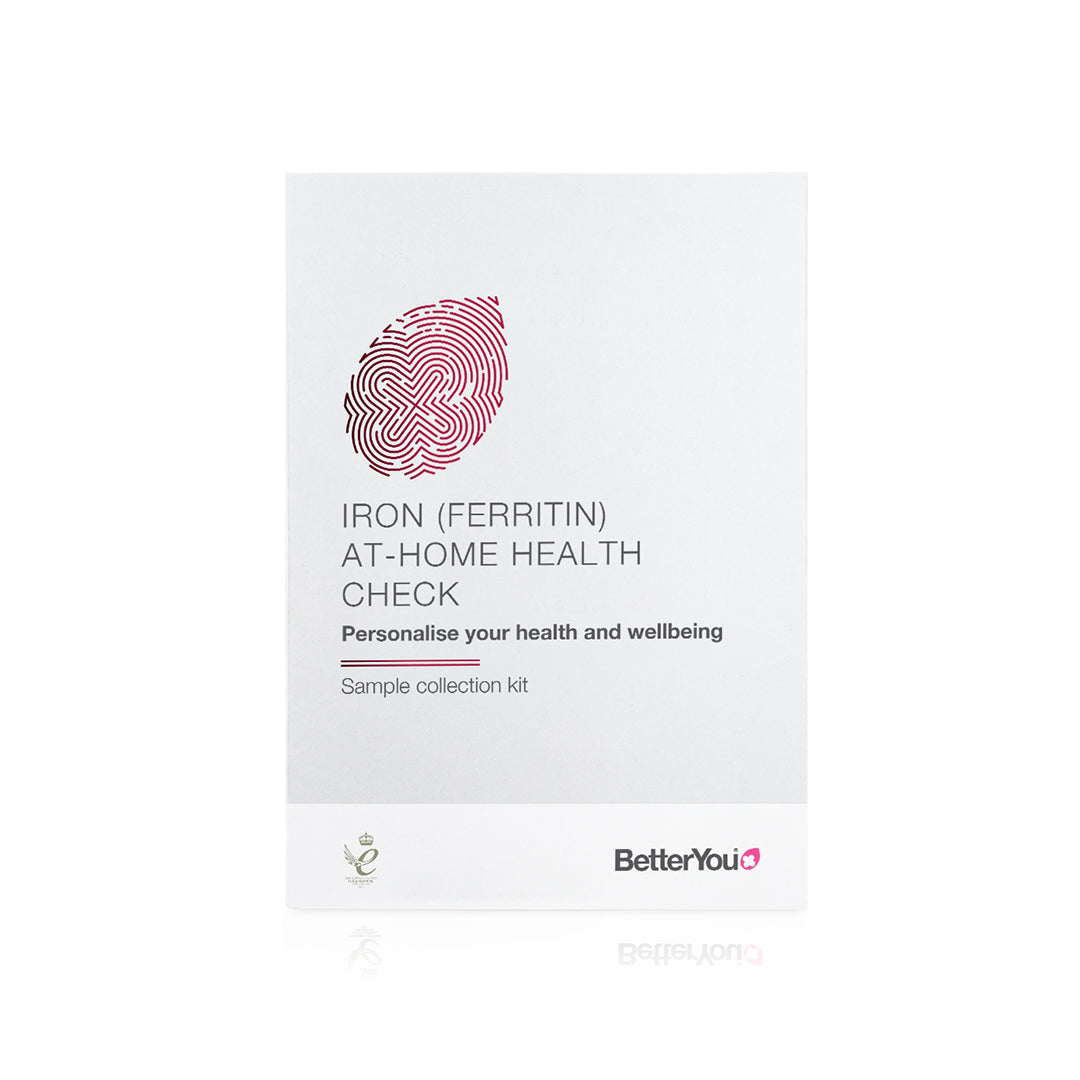
BetterYou Iron (Ferritin) At-Home Test Kit
BetterYou
- • Ferritin test, UKAS-accredited lab
- • Results in about 5 working days
Honest caveat: It measures ferritin only, not a full blood count, so it cannot show anaemia or the reason for it. Ferritin can read falsely normal during illness or inflammation. Abnormal results should go to your GP. The free spray offered with results contains sweetener and flavouring, so we do not recommend it.
£39.99
betteryou.com

Viridian Balanced Iron Complex (30 capsules)
Viridian
- • 15mg iron bisglycinate
- • 100mg vitamin C to aid absorption
Honest caveat: Bisglycinate is often better tolerated, but the evidence that it works better than standard iron salts comes from small trials. The 30-capsule pot is a month’s supply; the 90 pot is better value at £19.15.
£8.55
viridian-nutrition.com

Vitabiotics Feroglobin Capsules (30)
Vitabiotics
- • 17mg iron (fumarate) per capsule
- • Slow-release pellets
Honest caveat: It uses ferrous fumarate, an older form that some people find harder on the stomach, although the slow-release pellets aim to soften this. It also adds zinc, copper and folic acid you may already get elsewhere. Contains gelatin.
£6.15
vitabiotics.com
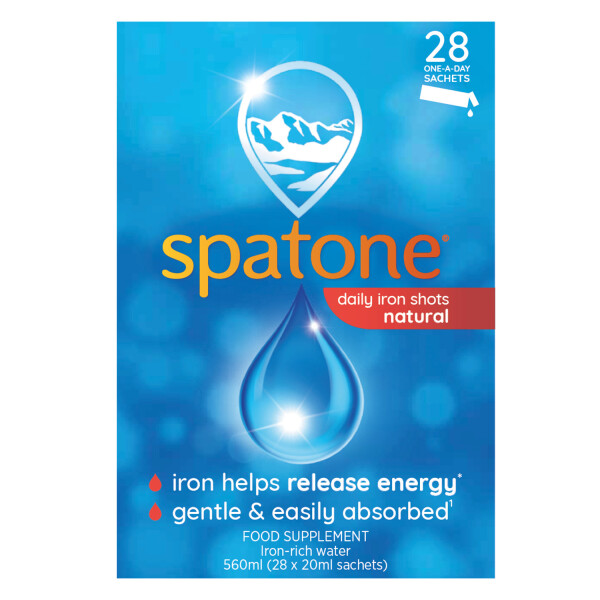
Spatone Original Natural Iron Supplement (28 sachets)
Spatone
- • One ingredient: iron-rich spa water
- • Low dose, gentle on the stomach
Honest caveat: The dose is low (about 5mg of iron per sachet), so it will not replace a prescribed treatment for anaemia. Some people dislike the metallic taste. Take it with orange juice and away from tea and coffee.
£15.50
api.hollandandbarrett.com

Together Health Gentle Iron
Together Health
- • 16mg iron from curry leaf extract
- • Two ingredients only
Honest caveat: Curry leaf iron is much less studied than standard iron salts or bisglycinate, so we cannot say how well it raises ferritin. The label suggests up to 2 a day if tolerated, which would take you over 17mg; only do that on GP advice.
£8.49
togetherhealth.co.uk

Wild Nutrition Food-Grown Iron Plus (30 days)
Wild Nutrition
- • 10mg iron plus 20mg vitamin C
- • Refillable glass jar
Honest caveat: At £17.50 for 10mg a day it costs about three times more per milligram than Viridian or Feroglobin. Claims that yeast-bound iron is better absorbed rest mainly on brand-funded research.
£17.50
wildnutrition.com
We may earn a commission if you buy through our links. How we choose ›
How strong is the research? What our grades mean ›
- Strong research
- Independent certification or lab data for the specific claim.
- Promising research
- The material is well supported, but there is no product-level testing.
- Early research
- Little independent research.
- Mixed research
- Research findings disagree.
- £
- Under £20
- ££
- £20 to £79
- £££
- £80+
Iron helps make haemoglobin, the part of red blood cells that carries oxygen. Low iron can leave you tired, breathless or pale, and if it goes on long enough it leads to iron deficiency anaemia. Women are at higher risk because of periods and pregnancy. The NHS says women aged 19 to 49 need 14.8mg a day, and that women with heavy periods are at higher risk of iron deficiency anaemia.
But iron is one supplement where more is not better. Too much can upset your stomach and, over time, build up in the body. So the first step is not a shop: it is a test.
Should you take iron without a blood test?
Ideally not. Tiredness has many explanations, including thyroid problems, low vitamin B12 and poor sleep, so a GP blood test is the best starting point. See your GP if you have symptoms of iron deficiency anaemia, very heavy periods, or are pregnant and feel unwell. A GP can check a full blood count (which shows anaemia) and ferritin (your stored iron), and look for the reason, which matters as much as the result.
If you cannot easily get a GP test and just want to check your stores, a home ferritin test is a reasonable first step. Abnormal results should still go to a GP.
How much iron is too much?
The NHS says taking 17mg or less a day of iron supplements is unlikely to cause any harm, but you should continue taking a higher dose if your GP advises it. If you are diagnosed with anaemia, your GP will usually prescribe a much higher treatment dose and recheck your blood after a few weeks. Over-the-counter supplements are for topping up, not for treating diagnosed anaemia on your own.
Iron can be dangerous to young children, so keep all iron products out of their reach. People with haemochromatosis (an inherited condition that leads to iron overload) should not take iron supplements.
What does the evidence say about forms and dosing?
| Claim | Evidence grade | Best evidence |
|---|---|---|
| Iron supplements raise iron levels when you are low | Strong | NHS anaemia treatment |
| Alternate-day dosing improves absorption | Promising | Lancet Haematology, 2017; Haematologica, 2020 |
| Vitamin C (such as orange juice) helps iron absorption | Promising | NHS anaemia treatment |
| Bisglycinate gives fewer side effects than standard salts | Early | Small trials, often industry-funded |
| Plant or yeast "food-grown" iron absorbs better | Early | Mainly brand-funded studies |
Alternate-day dosing
Each dose of iron triggers a rise in hepcidin, a hormone that blocks iron absorption for about a day. A 2017 study in iron-depleted women found that taking iron on alternate days, as a single dose, absorbed better than daily or split doses. A 2020 study in women with anaemia found absorption was 40 to 50% higher on alternate days. This is mainly relevant for prescribed doses; if you are being treated, ask your GP before changing how you take it.
Getting the most from each dose
- Take iron with vitamin C, such as a small glass of orange juice.
- Avoid tea, coffee, milk and calcium supplements for a couple of hours either side.
- Keep iron apart from thyroid medicine, some antibiotics and indigestion remedies; ask a pharmacist.
- If it upsets your stomach, the NHS suggests taking tablets with or soon after food, even though absorption drops slightly.
What are the side effects of iron?
The NHS lists constipation or diarrhoea, tummy pain, heartburn, feeling sick and darker poo as common side effects, especially with higher doses of older salts such as ferrous sulphate and fumarate. Gentler options include lower doses, bisglycinate forms, liquid iron and alternate-day dosing. Black stools are expected; black, tarry stools with tummy pain, or any blood, need a GP check.
Iron-rich foods first
Red meat, liver (not in pregnancy), beans, lentils, tofu, dark green vegetables, dried fruit, nuts and fortified breakfast cereals all add iron. Plant iron is absorbed less well, so pair it with vitamin C (peppers, citrus, berries). The NHS also advises not eating too much red and processed meat.
Our picks at a glance
| Product | Best for | Material/key feature | Price | Evidence grade |
|---|---|---|---|---|
| Home blood testBetterYou Iron (Ferritin) At-Home Test Kit | Checking stores before you start | UKAS-accredited lab ferritin test | £39.99 | Promising |
| Iron supplementViridian Balanced Iron Complex (30 capsules) | A gentle form with vitamin C | 15mg iron bisglycinate | £8.55 | Promising |
| Iron supplementVitabiotics Feroglobin Capsules (30) | Lowest cost at the NHS limit | 17mg slow-release iron | £6.15 | Promising |
| Iron supplementSpatone Original Natural Iron Supplement (28 sachets) | Sensitive stomachs, low top-up | Iron-rich spa water | £15.50 | Promising |
| Iron supplementTogether Health Gentle Iron | Two-ingredient vegan capsule | 16mg iron from curry leaf | £8.49 | Early |
| Iron supplementWild Nutrition Food-Grown Iron Plus (30 days) | Low-dose top-up, glass jar | 10mg iron plus vitamin C | £17.50 | Early |
How we chose
We started from NHS advice: test first, and stay at or under 17mg a day unless a GP says otherwise. We then checked each product's current UK ingredient list against our site policy on processed additives. That removed several popular choices: Solgar Gentle Iron (contains maltodextrin), Floradix (natural flavours and yeast extract) and BetterYou Iron Oral Spray (xylitol and flavouring). We also could not verify a current UK listing for Pure Encapsulations iron. Grades reflect the evidence for each product's form, not brand claims.
BetterYou Iron (Ferritin) At-Home Test Kit
Our first step pick. A finger-prick ferritin test analysed by a UKAS-accredited UK lab, with results in about 5 working days. Caveat: it measures ferritin only, not a full blood count, and ferritin can look falsely normal during illness. Take abnormal results to your GP. It comes with an offer for a free iron spray that contains sweetener and flavouring, which we do not recommend.
Viridian Balanced Iron Complex (30 capsules)
Our top supplement pick. It combines 15mg of iron bisglycinate (a gentler form) with 100mg vitamin C in a plant capsule with no fillers. Caveat: the evidence that bisglycinate is better tolerated comes from small trials. The 90-capsule pot (£19.15) is better value.
Vitabiotics Feroglobin Capsules (30)
The budget pick: 17mg of iron in slow-release pellets, matching the NHS everyday limit, for about 20p a day. Caveat: it uses ferrous fumarate, which some people find harder on the stomach, and it also contains zinc, copper and folic acid you may already get elsewhere. The capsule shell is bovine gelatin.
Spatone Original Natural Iron Supplement (28 sachets)
A single-ingredient product: natural iron-rich spa water. The low dose (about 5mg per sachet) is gentle and suits people who cannot tolerate tablets. Caveat: it will not replace a prescribed treatment dose, and some people dislike the metallic taste.
Together Health Gentle Iron
Just curry leaf extract in a plant capsule, giving 16mg of iron. Caveat: curry leaf iron is far less studied than standard forms, so we cannot say how well it raises ferritin. Do not follow the label's option of 2 a day unless your GP agrees.
Wild Nutrition Food-Grown Iron Plus (30 days)
A low 10mg dose with vitamin C in a refillable glass jar. Caveat: it costs about three times more per milligram than Viridian or Feroglobin, and absorption claims rest mainly on brand-funded research. Not suitable if you are allergic to yeast.
Who should be careful with iron?
- Pregnancy: your midwife will check your iron levels; take iron only as advised.
- Haemochromatosis or frequent blood transfusions: avoid iron supplements.
- Bowel conditions, or unexplained anaemia in men or women after menopause: see a GP, as the cause needs investigating.
- Children: keep iron products out of reach.
- Medicines: iron interacts with thyroid medicines, some antibiotics and antacids.
Bottom line
Do not guess with iron. Get a ferritin test through your GP, or at home if that is hard, then choose a product that fits your result and your stomach. For a gentle daily top-up under the NHS 17mg limit, Viridian Balanced Iron Complex is our pick; Feroglobin is the cheapest; Spatone suits sensitive stomachs. If you are diagnosed with anaemia, follow your GP's prescribed dose and get a follow-up test.
Frequently asked questions
What is the best iron supplement for women in the UK?
+
The best choice depends on your blood test. For a daily top-up, a product at or under the NHS 17mg limit in a gentle form, such as Viridian Balanced Iron Complex (15mg bisglycinate with vitamin C), suits most people. If you have diagnosed anaemia, your GP will prescribe a higher dose.
Which iron tablets are easiest on the stomach?
+
Lower doses, iron bisglycinate and liquid iron such as Spatone tend to cause fewer side effects than standard ferrous sulphate or fumarate. Taking iron on alternate days or with a little food can also help. Talk to your GP if side effects stop you taking a prescribed dose.
Should I take iron every day or every other day?
+
Studies in iron-deficient women found that a single dose on alternate days was absorbed better than daily or split doses, because each dose briefly blocks absorption. This mostly matters for prescribed treatment doses. Ask your GP before changing a prescribed regimen.
How much iron is safe to take daily?
+
The NHS says taking 17mg or less a day of iron supplements is unlikely to cause harm. Higher doses should only be taken if a GP advises it, usually after a blood test confirms deficiency. Keep iron away from children, as overdose can be dangerous for them.
What is ferritin and what level is low?
+
Ferritin is a protein that stores iron, so a blood ferritin level shows how much iron you have in reserve. Labs use slightly different ranges, and ferritin can rise during illness. Ask your GP to explain your result alongside a full blood count rather than relying on a single number.
How long do iron supplements take to work?
+
The NHS says people prescribed iron tablets for anaemia usually take them for about 6 months, to correct the anaemia and rebuild stores. Your GP will usually recheck your blood to see if treatment is working. If symptoms do not improve, go back to your GP.
Last updated


