Food & Farming
Best Kefir and Fermented Foods UK (2026): What the research Says
Quick answer
Plain Biotiful or Yeo Valley kefir is our starting point, with sauerkraut and kimchi for variety. A small Stanford trial linked a fermented-food-rich diet with more diverse gut bacteria and lower inflammation markers. Flavoured yoghurt and sweetened kombucha blends are excluded under our UPF policy.
Our picks
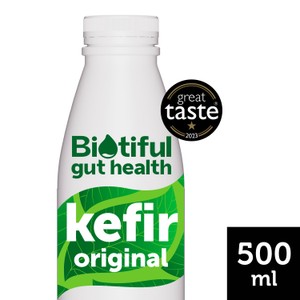
Biotiful Gut Health Kefir Drink Original (500ml)
Biotiful
- • No added sugar (original)
- • Live cultures
Honest caveat: Shop kefir is made with a defined set of cultures rather than traditional grains, so it is less diverse than homemade. Live bacteria counts at the end of shelf life are not published.
£2
groceries.morrisons.com
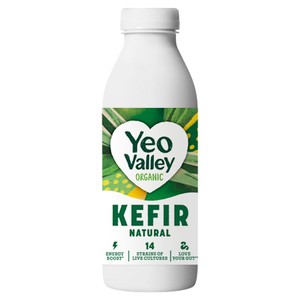
Yeo Valley Organic Kefir Natural Drink (500ml)
Yeo Valley
- • Organic British milk
- • 14 live culture strains
Honest caveat: Like all supermarket kefir, the specific strains have not been trialled for the health outcomes people hope for. Organic is about farming standards, not gut benefit.
£2
groceries.morrisons.com
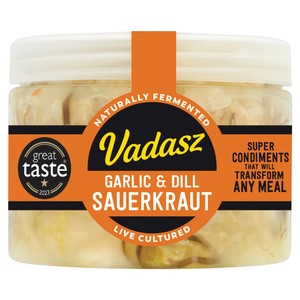
Vadasz Garlic & Dill Sauerkraut (400g)
Vadasz
- • Naturally fermented
- • Chilled, not shelf-stable
Honest caveat: Live microbe counts are not stated. Sauerkraut has very little direct human trial evidence on its own; its value is as part of a varied, fermented-food-rich diet.
£3
groceries.morrisons.com

Loving Foods Organic Kimchi (475g)
Loving Foods
- • Unpasteurised
- • Certified organic
Honest caveat: Costs more than supermarket kimchi and needs a delivery minimum. Kimchi is salty. Human trials of kimchi are small and short.
£6.99
lovingfoods.co.uk
We may earn a commission if you buy through our links. How we choose ›
How strong is the research? What our grades mean ›
- Strong research
- Independent certification or lab data for the specific claim.
- Promising research
- The material is well supported, but there is no product-level testing.
- Early research
- Little independent research.
- Mixed research
- Research findings disagree.
- £
- Under £20
- ££
- £20 to £79
- £££
- £80+
What are fermented foods, and why the interest?
Fermented foods are made by letting bacteria or yeasts break down sugars in milk, vegetables or tea. Kefir, yoghurt, sauerkraut, kimchi, miso and kombucha are common examples. Some still contain live microbes when you eat them; others are heat-treated after fermentation, which kills the microbes but keeps the flavour.
Interest jumped after a 2021 Stanford study published in Cell. Researchers randomly assigned 36 healthy adults to a high-fibre diet or a high fermented food diet for 10 weeks. The fermented food group, building up to about six servings a day, steadily increased the diversity of their gut microbes and reduced 19 inflammatory proteins in the blood, including interleukin-6. The high-fibre group did not see the same diversity boost.
That is exciting, but it was a small, short trial in healthy Californians, several authors have commercial interests in microbiome companies, and it measured markers rather than health outcomes such as fewer illnesses.
Our picks at a glance
| Product | Best for | Key feature | Price | Evidence grade |
|---|---|---|---|---|
| Biotiful Kefir Drink Original | Everyday kefir | No added sugar, live cultures | £2.00 (500ml) | Promising |
| Yeo Valley Organic Kefir Natural | Organic kefir | 14 live strains | £2 | Promising |
| Vadasz Garlic & Dill Sauerkraut | Chilled kraut | Naturally fermented, short ingredients | £3 | Early |
| Loving Foods Organic Kimchi | Unpasteurised kimchi | Organic, small batch | £6.99 | Early |
How we chose
We picked products sold chilled or labelled as containing live cultures, with short ingredient lists and little or no added sugar, from brands widely available in UK supermarkets or direct. We covered the main fermented food types so you can build variety, which is what the Stanford diet did. We checked live prices at Morrisons and brand sites.
What does the evidence show, food by food?
| Claim | Evidence grade | Best evidence |
|---|---|---|
| A fermented-food-rich diet increases microbiome diversity | Promising | Wastyk et al, Cell 2021 |
| Kefir lowers blood pressure or inflammation | Mixed research | Meta-analysis of 7 trials: no significant overall effect |
| Sauerkraut and kimchi improve gut health | Early | Small, short human studies only |
| Kombucha has health benefits | Early (almost none) | Systematic review found one human study |
| Probiotics help some IBS symptoms | Promising | NHS probiotics guidance |
Kefir and yoghurt
Kefir is fermented milk with a wider range of bacteria and yeasts than most yoghurts. It is a good source of protein and calcium, and people who struggle with lactose often tolerate it better because fermentation breaks some lactose down. However, a 2025 meta-analysis of seven trials found no significant overall effect on blood pressure or CRP (an inflammation marker), though longer use (8 weeks or more) lowered CRP in a subgroup.
Sauerkraut and kimchi
These fermented vegetables add fibre as well as microbes. Chilled, unpasteurised versions are more likely to contain live bacteria. Shelf-stable jars and tins are usually pasteurised (heated), which kills them. Both are salty, so portions of a forkful or two are sensible.
Kombucha
Fermented sweet tea. A systematic review found only one human study of its health effects. Treat it as a lower-sugar alternative to fizzy drinks rather than a health product.
Probiotics vs fermented foods
The NHS notes that probiotics are classed as food rather than medicine, so labels are not checked for live counts or survival to the gut, and evidence is limited to specific uses such as some IBS symptoms. The same caution applies to fermented foods.
Our picks in detail
Biotiful Kefir Drink Original: best everyday kefir
The UK's best-selling kefir, made with pasteurised British milk fermented with live cultures, with no added sugar in the original. Mild enough for beginners. Caveat: made with set cultures rather than traditional kefir grains, and live counts at the end of shelf life are not published.
Yeo Valley Organic Kefir Natural: best organic
Organic whole milk fermented with 14 strains of live yoghurt and kefir cultures, tangier than Biotiful. Caveat: organic is about farming standards, not extra gut benefit.
Vadasz Garlic & Dill Sauerkraut: best chilled kraut
Naturally fermented, kept in the fridge, and made from cabbage, cucumber, salt and spices only. Caveat: salty, and live counts are not stated.
Loving Foods Organic Kimchi: best unpasteurised kimchi
Certified organic, sold unpasteurised and chilled, from a small UK producer. Caveat: pricier than supermarket kimchi and needs delivery.
How to fit fermented foods into your day
- Breakfast: a glass of plain kefir, or kefir poured over oats with fruit.
- Lunch: a forkful of sauerkraut in a sandwich, salad or jacket potato.
- Dinner: kimchi alongside rice, eggs or stir-fries; a spoon of miso stirred into soup at the end of cooking (boiling kills live cultures).
- Drinks: choose water or plain kefir rather than sweetened or flavoured fermented drinks.
Spread servings through the day and keep a jar of chilled kraut or kimchi in the fridge, where it keeps for weeks once opened.
Who should be careful?
- Weakened immune system or pregnancy: speak to your GP or midwife about unpasteurised foods. The NHS says probiotics appear fine for most people with a healthy immune system.
- Salt: sauerkraut and kimchi are salty. Keep portions small if you have high blood pressure.
- Histamine intolerance: fermented foods are high in histamine and can trigger symptoms.
- Added sugar: flavoured kefirs and yoghurts can contain several teaspoons per pot.
- Alcohol: kombucha naturally contains traces of alcohol from fermentation.
If you want to try it: what to look for
- 'Live', 'raw' or 'unpasteurised' on the label, and sold in the chilled aisle.
- Short ingredient lists with no added sugar for daily use.
- Variety: the Stanford diet mixed yoghurt, kefir, kraut, kimchi and kombucha.
- Start with one serving a day and build up to let your gut adjust.
Bottom line
Adding a few servings of fermented foods a day is cheap, tasty and backed by early but promising evidence. Plain kefir from Biotiful or Yeo Valley is the easiest start, with a forkful of chilled kraut or kimchi alongside meals. Do not expect kombucha to do much beyond replacing a sugary drink.
Flavoured kefir yoghurt and sweetened or flavoured kombucha are excluded under our UPF selection policy. Plain kefir remains our starting point.
Frequently asked questions
What did the Stanford fermented food study find?
+
In a 2021 trial published in Cell, 36 healthy adults ate either a high-fibre or a high fermented food diet for 10 weeks. The fermented food group, building up to about six servings a day, increased gut microbe diversity and lowered 19 inflammatory proteins in the blood. It was small and short, and measured markers rather than health outcomes.
Is supermarket kefir as good as homemade?
+
Supermarket kefir is usually made with a defined blend of cultures rather than traditional kefir grains, so it tends to contain fewer types of microbes than homemade. It is still a good source of protein and calcium with live cultures. Homemade kefir is more variable and needs careful hygiene.
Does shop-bought sauerkraut contain live bacteria?
+
Only if it has not been heat-treated. Chilled sauerkraut labelled raw, live or unpasteurised is more likely to contain live bacteria. Shelf-stable jars and tins are usually pasteurised, which kills the microbes but keeps the flavour and some fibre. Check the storage instructions: keep refrigerated is a good sign.
Is kombucha good for you?
+
There is very little human evidence. A systematic review found only one human study of kombucha health effects. Low-sugar kombucha is a reasonable swap for fizzy soft drinks, but it should not be relied on for gut health. It also contains traces of alcohol from fermentation.
How much fermented food should I eat?
+
There is no official UK recommendation. The Stanford trial built up to about six servings a day, but starting with one serving daily, such as a glass of kefir or a forkful of kraut, and building up gradually helps your gut adjust and reduces bloating.
Who should avoid fermented foods?
+
People with a weakened immune system, and pregnant people considering unpasteurised products, should check with a GP or midwife first. Those with histamine intolerance may react, and people watching salt intake, for example because of high blood pressure, should keep portions of kraut and kimchi small.
Last updated


