Supplements, Fact-Checked
Best Electrolytes UK (2026): Who Needs Them and Which to Buy
Quick answer
Most people do not need everyday electrolyte drinks. Ancient + Brave True Hydration is an ingredient-checked non-UPF option for suitable circumstances, not an everyday requirement. Oral rehydration medicine is separate from sports-food recommendations.
Our picks
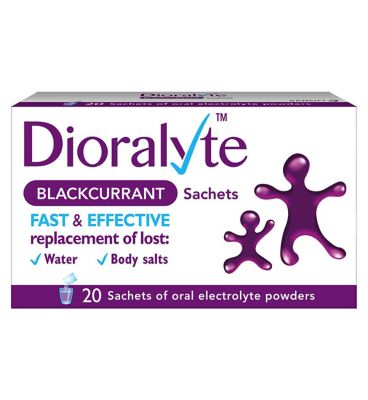
Dioralyte Blackcurrant Sachets (20)
Dioralyte
- • Licensed pharmacy medicine
- • Glucose plus sodium, potassium and citrate
Honest caveat: Pharmacy medicine (P): read the leaflet, follow the dose, and ask a pharmacist before using it for babies, older people or anyone with kidney or heart conditions.
£14.99
boots.com

Ancient + Brave True Hydration
Ancient + Brave
- • Coconut water powder base
- • 108mg magnesium, 210mg potassium
Honest caveat: Its label lists 0g salt per serving, so it does little to replace sodium, the main electrolyte lost in sweat. Pricey per serving compared with tablets.
£32
ancientandbrave.earth
We may earn a commission if you buy through our links. How we choose ›
How strong is the research? What our grades mean ›
- Strong research
- Independent certification or lab data for the specific claim.
- Promising research
- The material is well supported, but there is no product-level testing.
- Early research
- Little independent research.
- Mixed research
- Research findings disagree.
- £
- Under £20
- ££
- £20 to £79
- £££
- £80+
Our take: Water and ordinary meals are enough for most everyday hydration. Electrolyte products are not a routine requirement.
Sweetened or flavoured blends are left out as ultra-processed; we point instead to unflavoured single-ingredient options where appropriate, following our selection policy. Ancient + Brave True Hydration has now passed the ingredient review and remains an eligible unsweetened mineral option. It is not a routine requirement for everyday hydration.
When electrolytes may matter
Long exercise, hot conditions and substantial sweat losses can increase sodium losses. A review of sweat testing in athletes found large differences between people. That does not justify a high-sodium drink for a short workout or a desk day.
For vomiting and diarrhoea, the NHS dehydration guidance says a pharmacist may recommend oral rehydration solutions to replace fluid and salts. These are medicines, not everyday sports drinks. Follow the leaflet and seek advice for children, pregnancy, kidney or heart conditions, or medicines affecting sodium or potassium.
Ingredient-checked mineral option
| Product | Format | Important caveat |
|---|---|---|
| Electrolyte supplementAncient + Brave True Hydration | Powder | User-confirmed non-UPF recipe; not a substitute for oral rehydration medicine or ordinary meals |
Remaining medicine information
| Product | Purpose | Important distinction |
|---|---|---|
| Dioralyte Blackcurrant Sachets | Oral rehydration medicine for illness, used according to pharmacist advice and the leaflet | Not a sports-food pick or a daily hydration recommendation |
Dioralyte: oral rehydration medicine, not an everyday drink
Glucose and salts have a specific clinical role in oral rehydration. A food-processing classification is not a reason to reject prescribed or recommended medicine. This listing is retained as medicine information only; do not replace pharmacist advice with a sports product or a home-made mixture.
Check sodium, not just marketing
The NHS salt guidance gives adults a maximum of 6g salt a day, equivalent to about 2,400mg sodium. Salt from drinks contributes alongside food. More sodium is not automatically helpful, and high-sodium or high-potassium supplements may be unsuitable with some conditions or medicines.
An unflavoured label is not proof of a simple recipe. Check for sweeteners, flavourings, sugar alcohols, emulsifiers, syrups and bulking ingredients. Do not make a home rehydration formula for illness on the basis of a sports guide.
When to get help
See the NHS advice on diarrhoea and vomiting for signs requiring urgent help, including difficulty keeping fluids down or serious dehydration. Medical advice takes priority over shopping preferences.
Bottom line
For everyday life, start with water and meals. For prolonged exercise or substantial losses, seek advice suited to your circumstances. For illness, use pharmacist-recommended oral rehydration medicine as directed, not a sports drink.
Frequently asked questions
Do I need electrolytes every day?
+
Most people get enough minerals from food and can drink water for everyday hydration. Long exercise, heat or illness may need different advice.
Why are sweetened sports tablets not recommended here?
+
We leave out sweetened or flavoured blends as ultra-processed under our site policy. Check unflavoured options carefully; unflavoured alone does not guarantee a single-ingredient recipe.
Is oral rehydration medicine the same as a sports drink?
+
No. Oral rehydration medicine uses a specific balance of glucose and salts for fluid losses during illness. Ask a pharmacist and follow the leaflet. Its clinical use is not a recommendation to drink it as an everyday food.
Last updated


