Move & Recover
Vibration Plate Benefits: What the Research Shows (2026)
How we grade ›Sources checked on Our independence ›
Quick answer
Whole-body vibration has Promising evidence for balance and leg strength in older adults, Mixed evidence for bone density in postmenopausal women, and no direct evidence for lymphatic drainage or cellulite. Fat loss claims are not supported. Treat a plate as an extra alongside strength and balance exercise, not a replacement.
What is whole-body vibration?
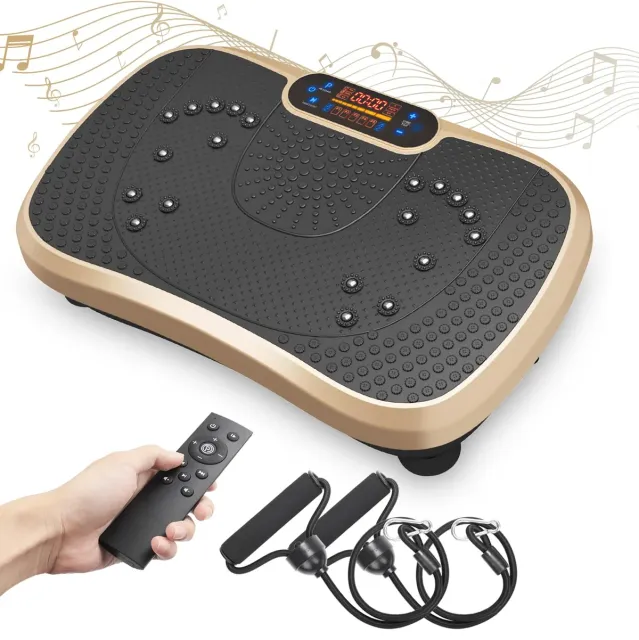
Whole-body vibration means standing, squatting or holding positions on a platform that shakes. Each vibration makes your muscles contract reflexively, many times a second. Researchers describe it by:
- Frequency: vibrations per second, in hertz (Hz). Bone trials often used about 30Hz.
- Amplitude: how far the plate moves, in millimetres.
- Type: oscillating (see-saw) or linear (up and down).
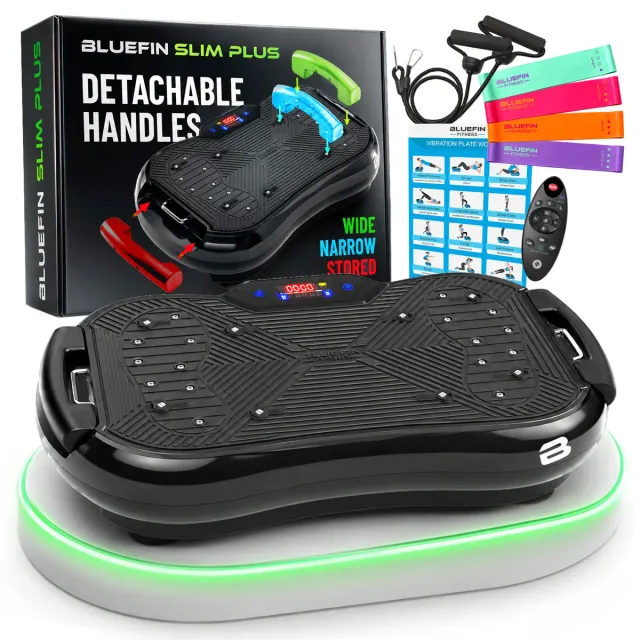
Home plates often list "speed levels" rather than these figures, which makes it hard to match them to the research. If you are choosing one, see our best vibration plates guide.
Benefits at a glance
| Claimed benefit | Evidence grade | Summary |
|---|---|---|
| Balance and mobility (older adults) | Promising | Better balance scores than no exercise; not clearly better than ordinary exercise |
| Leg strength (older adults) | Promising | Small gains in most trials |
| Bone density (postmenopausal women) | Mixed | Some meta-analyses positive; an overview found low-quality reviews and no clear advantage |
| Fewer falls or fractures | Mixed | Possible fewer falls; no effect on fractures |
| Fat loss | Early | No meaningful effect without diet and exercise |
| Cellulite | No direct evidence | Positive trials used hand-held devices, not plates |
| Lymphatic drainage | No direct evidence | No trials of standing plates |
| Circulation | Early | Small short-term blood flow studies only |
Balance and strength
This is the strongest area. A 2012 meta-analysis found vibration improved balance scores and the "timed up and go" test in older adults, though not walking. A 2026 review of 36 studies found about two-thirds showed better leg strength or balance. The catch: compared with ordinary strength and balance exercise, vibration has not been clearly better. It may help people who cannot do much other exercise, ideally with a physiotherapist.
Bone density
A 2023 meta-analysis of 23 trials found vibration improved lower spine bone density in postmenopausal women, with the best-quality results from high frequency (about 30Hz), low magnitude and months of near-daily use. A 2024 meta-analysis in women with osteoporosis found a small rise in spine and hip density.
But a 2024 overview of 15 systematic reviews rated most of those reviews critically low quality and concluded vibration has no clear advantage for bone density. That is why we grade bone as Mixed. A plate should never replace prescribed bone medication.
Falls and fractures
A 2017 BMJ Open review found vibration may reduce falls in older adults but found no effect on fractures. A 2024 Canadian review was more positive, but Cochrane falls authors replied that results were uncertain and vibration should be used only after individual assessment.
Fat loss
A 2019 meta-analysis of 7 trials found a statistically significant but clinically meaningless fall in fat mass and no change in body fat percentage. A 2025 meta-analysis of 20 trials found vibration alone had no significant effect on weight, BMI or body fat. Claims that 10 minutes equals an hour of exercise are not supported.
Cellulite
The positive studies used hand-held vibration massage devices applied to the skin (2020 trial), not standing plates, and some of the effect faded after stopping. No direct evidence for plates.
Lymphatic drainage
This is one of the most common marketing claims. We found no randomised trial of standing plates measuring lymph flow or swelling. No direct evidence. If you have lymphoedema, follow your specialist team's advice.
Who should be careful?
Speak to your GP first, or do not use a plate, if you are pregnant, have a pacemaker or other implant, recent surgery or fracture, a joint replacement, retinal problems, a history of blood clots, epilepsy, or severe osteoporosis. Stop if you feel dizzy or in pain.
How to get the most from a plate
- Use it alongside strength and balance exercise, not instead of it.
- Do short bouts (30 to 60 seconds) with knees slightly bent, building to 10 to 15 minutes.
- Aim for three to five sessions a week for months, as in the trials.
- Choose a plate that publishes its frequency if bone is your goal.
Bottom line
A vibration plate can be a low-effort extra for balance and leg strength, especially for older adults who find other exercise hard. Bone benefits are possible but uncertain, and claims about fat loss, cellulite and lymphatic drainage are not backed by good evidence. If you decide to buy, our best vibration plates guide compares the UK options.
Frequently asked questions
Do vibration plates help lymphatic drainage?
+
There is no direct evidence. No randomised trial of standing plates has measured lymph flow or swelling.
Can a vibration plate improve bone density?
+
Possibly a little at the lower spine in postmenopausal women, using about 30Hz for months, but an overview of 15 reviews found the evidence low quality and no clear advantage. Do not replace bone medication with a plate.
Do vibration plates help you lose weight?
+
Not meaningfully. A 2025 meta-analysis of 20 trials found no significant effect on weight or body fat from vibration alone.
Do vibration plates reduce cellulite?
+
No good evidence. Positive studies used hand-held massage devices, not standing plates.
Are vibration plates good for balance?
+
This is the best-supported benefit. Meta-analyses show better balance scores in older adults than no exercise, though not clearly better than ordinary balance training.
Last updated