Food & Farming
Free Range, Grass Fed, Wild Caught: UK Food Labels Explained (2026)
Quick answer
In the UK, egg codes are legally defined: 0 organic, 1 free range, 2 barn, 3 caged. 'Grass fed' and 'pasture raised' have no legal definition; only Pasture for Life certifies 100% grass-fed. Free Range Dairy's PASTURE PROMISE means at least 180 days grazing. MSC and ASC are sustainability labels and do not test fish for contaminants.
Our picks
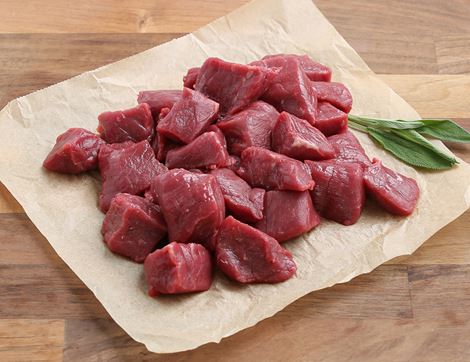
The Green Butcher Diced Beef, 100% Pasture Fed (400g)
The Green Butcher (via Abel & Cole)
- • Pasture for Life certified: 100% grass and forage diet
- • Organic beef
Honest caveat: Pasture for Life and organic are farming standards, not nutrient tests: the omega-3 difference in grass-fed beef is real but small in absolute terms. It is red meat, so NHS limits on red and processed meat still apply.
The Green Butcher (via Abel & Cole)
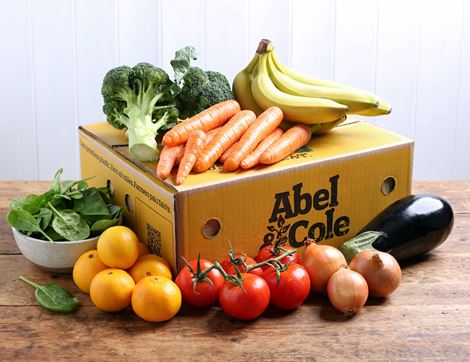
Abel & Cole Organic Fruit & Veg Box (Small)
Abel & Cole
- • Certified organic produce (Soil Association listed on site)
- • Small box: 2 fruit and 6 veg portions, customisable
Honest caveat: Organic certification is a farming-method audit, not a residue test on each box, and some naturally derived pesticides are allowed. Per kilo it costs more than supermarket produce, and a £3.50 delivery fee applies.
Abel & Cole
We may earn a commission if you buy through our links. How we choose ›
How strong is the research? What our grades mean ›
- Strong research
- Independent certification or lab data for the specific claim.
- Promising research
- The material is well supported, but there is no product-level testing.
- Early research
- Little independent research.
- Mixed research
- Research findings disagree.
- £
- Under £20
- ££
- £20 to £79
- £££
- £80+
What do UK food labels like free range, grass fed and wild actually mean?
Some of these words are defined in law, some are defined by an independent scheme, and some mean whatever the marketing team wants. This guide sorts them into those three groups so you know which ones to trust.
| Label | Legally defined in the UK? | Who checks it |
|---|---|---|
| Egg codes 0, 1, 2, 3 | Yes | Egg marketing inspectors and Trading Standards |
| Organic | Yes | Approved certifiers (for example Soil Association) |
| Free range (eggs, poultry) | Yes | As above |
| Free range (milk, pork, beef) | No | Voluntary schemes only |
| Grass fed | No | Pasture for Life (if certified) |
| Pasture raised | No | Nobody, unless certified |
| Wild caught | Partly (fish labelling must say wild or farmed) | MSC for sustainability |
What do the numbers on UK eggs mean?
Every egg sold in UK shops must be stamped with a code showing the farming method, country and farm (Trading Standards guidance):
- 0 = organic. Free range plus organic feed, flocks capped at 3,000 hens (Soil Association).
- 1 = free range. Continuous daytime access to runs mainly covered in vegetation, at most 2,500 hens per hectare (4 square metres each), and indoors no more than 9 hens per square metre (Egg Info).
- 2 = barn. Indoors only, with litter and perches.
- 3 = caged. "Enriched" colony cages. If eggs do not meet free range or barn rules, they are automatically classed as caged.
So "1UK12345" means free range, UK, farm 12345. The code is the most reliable thing on the box. Pictures of fields and words like "farm fresh" or "country" are not regulated.
Are pasture raised eggs better than free range?
"Pasture raised" has no legal meaning in the UK. It is a US term, where it sometimes refers to a 10 square metre per bird standard under private schemes. In the UK, look for a 0 (organic) or 1 (free range) code. If you want a step beyond free range, organic gives smaller flocks, and some small farms rotate hens onto fresh grass (look for specific details, not just the phrase).
During bird flu housing orders, free range and organic hens may be kept indoors by law for weeks at a time, so even the best code is not a guarantee of outdoor access every day.
What does the British Lion mark mean?
The British Lion is a food safety scheme, not a welfare one. Hens are vaccinated against Salmonella and the supply chain is audited, which is why the Food Standards Agency now says Lion eggs can be eaten runny, even by vulnerable groups. Over 90% of UK eggs carry it, including caged eggs, so read the number as well.
What does grass fed mean in the UK?
On its own, very little. "Grass fed" has no legal definition in the UK. Pasture for Life points out that animals only need around 51% of their diet from grass for some grass-fed claims, and almost all UK cattle eat some grass. Many are also fed grain, soya or concentrates, particularly in winter or for finishing.
The only UK certification that guarantees 100% grass is Pasture for Life: certified animals eat only pasture and conserved forage (hay, silage) for their whole lives, with no grain. Butchers and shops that sell it must be approved, so the claim carries through to the label. The scheme has a where to buy directory.
Is grass fed beef or butter healthier?
Grass-fed beef and dairy tend to have a better ratio of omega-3 to omega-6 fats and more CLA (a type of fat), but beef is a minor source of omega-3 either way: a portion of oily fish has far more. Grass-fed butter is still about half saturated fat. The stronger reasons to choose it are animal welfare and how the land is farmed, rather than nutrition.
What does free range milk or Free Range Dairy mean?
"Free range milk" is not legally defined. The Free Range Dairy Network's PASTURE PROMISE label requires cows to graze outside for at least 180 days and nights a year (Ethical Consumer). It is a useful signal in a market where many UK dairy herds are now housed all year. It does not mean 100% grass-fed: cows can still eat concentrates.
What does RSPCA Assured cover?
RSPCA Assured assesses farms against RSPCA welfare standards, with an average of around 760 standards per species. Laying hens must be cage-free. It covers indoor systems for some species, so it is not the same as free range, and it says nothing about pesticides or feed type.
Wild caught vs farmed salmon: which is better?
Fish labels in the UK must say whether fish is wild-caught or farmed. Here is how they compare:
- Omega-3: farmed Atlantic salmon is still one of the richest sources of the long-chain omega-3s EPA and DHA, but levels in Scottish farmed salmon roughly halved between 2006 and 2015 as fish oil in feed was replaced with plant oils (Sprague et al. 2016). Wild salmon is leaner, so per portion the gap is smaller than many assume.
- Contaminants: a large 2004 study found higher levels of PCBs and dioxins (persistent pollutants) in farmed salmon than wild, highest in European farmed fish (Hites et al. 2004). Feed changes since then have lowered levels, but oily fish in general carries more pollutants than white fish.
- NHS advice: eat at least 2 portions of fish a week, including 1 oily. Girls and women who are pregnant, breastfeeding or may become pregnant should have no more than 2 portions of oily fish a week because pollutants can build up in the body (NHS).
For most people the benefits of eating oily fish outweigh the risks, wild or farmed.
What do MSC and ASC labels mean?
- MSC (blue label): wild-caught fish from fisheries independently assessed for healthy stocks, low impact on other species and good management.
- ASC (green label): farmed seafood from farms audited for environmental and social standards.
Neither tests the fish for contaminants or omega-3. They are sustainability labels.
Our picks at a glance
| Product | Best for | Material/key feature | Price | Evidence grade |
|---|---|---|---|---|
| The Green Butcher Diced Beef, 100% Pasture Fed (400g) | Certified grass-fed beef | Pasture for Life mark, organic | £11.50 | Strong (certified) |
| Abel & Cole Organic Fruit & Veg Box (Small) | Certified organic produce | Organic certification | £19.75 | Strong (certified) |
How we chose
We only list products where an independent label backs the claim and where we confirmed the label and price on the retailer's page. For eggs and fish, the label and code matter more than the brand, so we have not picked individual products.
The Green Butcher Diced Beef, 100% Pasture Fed
Sold through Abel & Cole, this beef comes from Horton House Farm in Wiltshire and carries the Pasture for Life mark, so "grass fed" here means 100% grass and forage for life. It is also organic. Caveat: it is a premium price for diced beef, and Pasture for Life certifies the diet, not the nutrient content of the meat.
Abel & Cole Organic Fruit & Veg Box
If organic is the label you care about, a certified box scheme is the simplest way to get it consistently. Caveat: organic is a farming method audit, not a residue test on each item. See our organic food guide for where it matters most.
What to avoid
- Unregulated words used as if they were standards: "farm fresh", "natural", "country", "pasture raised" and "grass fed" without a certification mark.
- Pictures doing the work: fields and happy animals on a pack are not evidence. Check for the egg code, organic logo, Pasture for Life, RSPCA Assured, MSC or ASC.
- Assuming a safety mark is a welfare mark: British Lion and Red Tractor are mainly about food safety and baseline standards.
Bottom line
Trust the egg code (0 or 1), organic certification, Pasture for Life for genuinely 100% grass-fed meat and dairy, PASTURE PROMISE for grazed milk, RSPCA Assured for welfare, and MSC or ASC for sustainable fish. Treat "grass fed", "pasture raised" and "free range" on milk or beef as marketing unless one of those schemes backs it. For salmon, both wild and farmed are good omega-3 sources; follow the NHS limit of 2 oily portions a week if you are pregnant or may become pregnant.
Frequently asked questions
What does the number on an egg mean in the UK?
+
The first digit is the farming method: 0 organic, 1 free range, 2 barn, 3 caged. It is followed by the country (UK) and a farm code, for example 1UK12345. The code is a legal requirement for eggs sold in shops, so it is more reliable than pictures or words like farm fresh on the box.
Are pasture raised eggs a real thing in the UK?
+
Not as a legal category. Pasture raised is a US marketing term and has no definition in UK law. UK shoppers wanting the most outdoor space should look for code 0 (organic), which also limits flocks to 3,000 hens, or code 1 (free range). Some small farms describe rotating hens on fresh pasture, but nobody checks the phrase itself.
Is grass fed beef legally defined in the UK?
+
No. Grass fed has no legal definition, and Pasture for Life notes some grass-fed claims need only around 51% grass in the diet. The Pasture for Life certification mark is the UK scheme that guarantees animals ate only pasture and forage for their whole lives, and it is checked down to the butcher or shop.
Is wild salmon healthier than farmed salmon?
+
Both are good sources of omega-3. Farmed salmon is fattier and still among the richest sources, although its omega-3 levels roughly halved between 2006 and 2015. Studies have found more PCBs and dioxins in farmed salmon. The NHS advises at least one oily fish portion a week, and no more than two for those who may become pregnant.
What is the difference between MSC and ASC?
+
MSC (blue label) certifies wild-caught fisheries for healthy fish stocks, low impact on other marine life and good management. ASC (green label) certifies fish and seafood farms against environmental and social standards. Neither label tests the fish for mercury, pollutants or omega-3 content.
Does British Lion mean free range?
+
No. British Lion is a food safety scheme covering over 90% of UK eggs, including caged ones. It means hens were vaccinated against Salmonella and the supply chain was audited. To know the welfare system, read the number stamped on the egg: 0 or 1 for organic or free range.
What does PASTURE PROMISE mean on milk?
+
It is the Free Range Dairy Network's label. Farmers must graze their cows outside for at least 180 days and nights a year, except in exceptional circumstances. Free range milk has no legal definition, so this is the main independent scheme. It does not mean the cows are fed only grass.
Last updated