Food & Kitchen
Stainless Steel vs Cast Iron vs Ceramic Cookware
Quick answer
Stainless steel is the most versatile and lowest-maintenance of the three. Cast iron wins on durability and heat retention but is heavy and needs seasoning. Ceramic-coated pans give you a non-stick surface without PTFE chemistry but the coating typically wears within 1-3 years.
Our picks
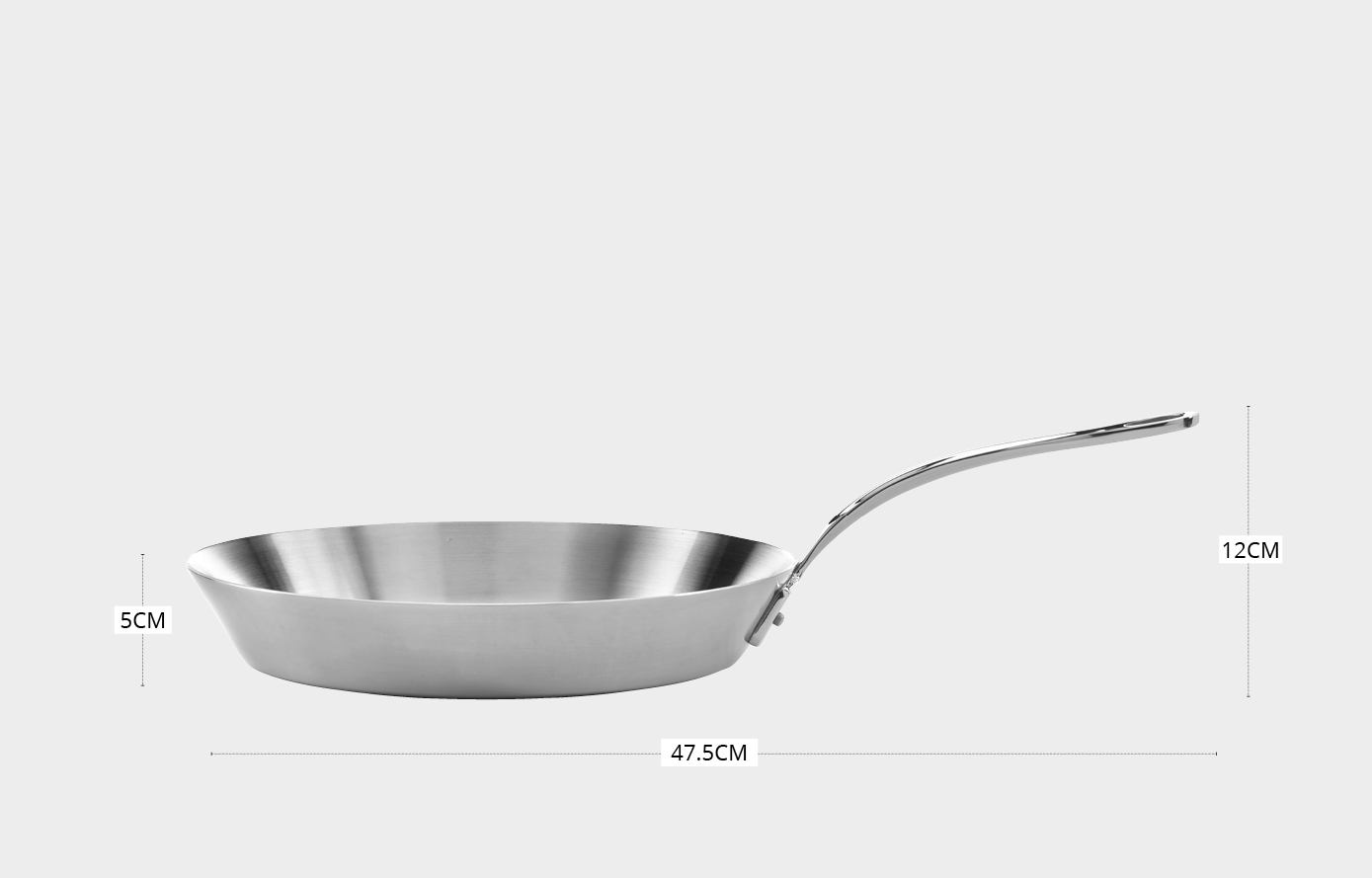
28cm Stainless Steel 3-Ply Frying Pan
Samuel Groves
- • 3-ply stainless with aluminium core
- • Uncoated cooking surface
Honest caveat: At £113 it costs about double the ProCook equivalent for a similar material. As with any stainless pan, expect some sticking until you master preheating, and small nickel and chromium transfer with acidic foods.
£113
Samuel Groves · Amazon
Cast Iron Round Casserole
Le Creuset
- • Enamelled inside and out, no PTFE
- • Sand enamel interior shows browning
Honest caveat: Heavy (a 24cm pot holds 4.2 litres) and expensive. Enamel can chip if dropped or overheated empty, and chipped interiors should be retired from cooking. Price shown is the 24cm at John Lewis.
£285 typical price
Amazon · Le Creuset


Mineral B Carbon Steel Frying Pan 28cm
de Buyer
- • Carbon steel, no factory coating
- • Beeswax finish protects against rust
Honest caveat: Must be seasoned before use and kept dry. Acidic food strips seasoning and picks up iron. Heavy for its size and the handle gets hot in the oven.
£62 typical price
Amazon · de Buyer
We may earn a commission if you buy through our links. How we choose ›
How strong is the research? What our grades mean ›
- Strong research
- Independent certification or lab data for the specific claim.
- Promising research
- The material is well supported, but there is no product-level testing.
- Early research
- Little independent research.
- Mixed research
- Research findings disagree.
- £
- Under £20
- ££
- £20 to £79
- £££
- £80+
Stainless steel
Best for: everyday cooking, sauces, one-pan meals, anything where you want a fond to build for deglazing. Trade-offs: not truly non-stick - you need a hot pan and enough fat. Lifespan: decades. Care: dishwasher-safe, though hand washing keeps it brighter.
Cast iron
Best for: searing, slow braising, anything that benefits from heavy thermal mass. Trade-offs: heavy. Needs seasoning maintenance. Reactive with very acidic foods over long cook times. Lifespan: generational. Vintage cast iron from the 1900s is still in daily use. Care: wipe clean, dry thoroughly, light oil layer.
Ceramic-coated
Best for: low-fat cooking, eggs, pancakes - the non-stick use case without PTFE. Trade-offs: the coating degrades. Most pans lose their non-stick character within 1-3 years even with careful use. Lifespan: treat as a 1-3 year item. Care: low to medium heat only, no metal utensils, hand wash.
How most kitchens end up
A stainless tri-ply frying pan and a saucepan or two as the daily workhorse, one cast iron or carbon steel pan for high-heat work, and optionally one ceramic non-stick for eggs that you accept replacing every few years.
Frequently asked questions
Which is the best single pan to own?
+
For most home cooks, a 24-28cm tri-ply stainless steel frying pan covers the widest range of cooking.
Does cast iron really last forever?
+
With basic care, yes. Cast iron pans from the early 1900s are still being used daily. Re-seasoning is a 30-minute job if the surface degrades.
Is ceramic coating safer than PTFE?
+
Ceramic sol-gel coatings don't use PFAS chemistry, which is the main concern with PTFE manufacturing. The trade-off is durability - ceramic coatings wear faster.
Last updated
Sources
- Cooks Illustrated comparative cookware testing
- America's Test Kitchen non-stick longevity studies
- Cast Iron Collector materials reference