Wellness Trends, Fact-Checked
Lead and Cadmium in Dark Chocolate: What UK Shoppers Should Know
Quick answer
Most dark chocolate contains small amounts of lead and cadmium, mostly in the cocoa solids. UK law caps cadmium in chocolate but sets no lead limit. Consumer Reports found some bars much lower than others. A few squares a few times a week is reasonable for most adults; children and pregnant women benefit most from keeping intake modest.
Our picks
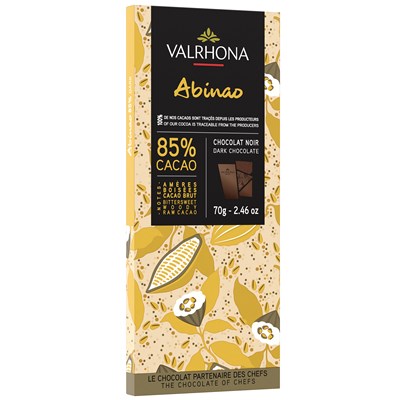
Valrhona Abinao 85% Dark Chocolate Bar
Valrhona
- • Relatively low for lead and cadmium in CR’s 2022 test
- • 85% cocoa, African blend
Honest caveat: That result is from one US-bought sample in 2022. Levels can change with cocoa source and batch, and Valrhona does not publish its own results. ’Lower’ still means some lead and cadmium, so it is best kept as a treat.
£6.95
chocolatetradingco.com

Divine 70% Dark Chocolate 90g
Divine Chocolate
- • Named a lower-metal choice by Consumer Reports in 2023
- • Fairtrade, farmer co-owned brand
Honest caveat: CR tested the US version (’Deliciously Smooth’ 70%) and the UK bar may use a different recipe or batch. Divine does not publish its own lead and cadmium results. Still a treat food, not a health food.
£3.39
divinechocolate.com

Montezuma’s Darkside 51% Cocoa Milk Chocolate
Montezuma's
- • 51% cocoa, so fewer cocoa solids per gram
- • Organic, UK brand
Honest caveat: Montezuma’s does not publish metal testing for this bar, so the lower-exposure point is based on cocoa content, not product data. It has more sugar and milk than a 70% bar and fewer of the plant compounds people buy dark chocolate for.
£3.49
montezumas.co.uk
We may earn a commission if you buy through our links. How we choose ›
How strong is the research? What our grades mean ›
- Strong research
- Independent certification or lab data for the specific claim.
- Promising research
- The material is well supported, but there is no product-level testing.
- Early research
- Little independent research.
- Mixed research
- Research findings disagree.
- £
- Under £20
- ££
- £20 to £79
- £££
- £80+
What it claims
In late 2022, Consumer Reports (CR), the US consumer testing group, published lab results showing lead and cadmium in every one of 28 dark chocolate bars it tested. Headlines quickly turned this into "dark chocolate is dangerous". On social media the claim often goes further, suggesting you should give up dark chocolate entirely or only eat a handful of "clean" brands.
What the evidence shows
| Claim | Evidence grade | Best evidence |
|---|---|---|
| Dark chocolate contains lead and cadmium | Strong | Consumer Reports 2022 |
| Some brands are much lower than others | Promising | CR 2022, CR 2023 follow-up |
| Eating dark chocolate in moderation causes harm | Limited | Based on intake thresholds, not studies of chocolate eaters |
| Lower-cocoa and milk chocolate carry less | Promising | CR 2023, cocoa review |
What did Consumer Reports find?
CR tested 28 bars bought in the US and compared them with California's maximum allowable dose levels, which are among the strictest in the world. For 23 bars, eating one ounce (about 28g) a day would put an adult over the level for at least one metal. Five bars were high in both, including Green & Black's Organic 70%. Five were relatively low in both: Mast 80%, Taza 70%, Valrhona Abinao 85% and two Ghirardelli bars (CR).
A 2023 follow-up tested 48 more chocolate products. Sixteen had potentially harmful levels, some cocoa powders were high, and no milk chocolate was. Divine 70% was named one of the lower choices (WebMD summary).
Where do the metals come from?
Cadmium is in the soil and is taken up by the cocoa tree, so levels depend on where it is grown; some Latin American regions are higher. Lead mostly lands on beans as dust while they dry in the open after harvest (review). Both metals sit mainly in the cocoa solids, which is why darker chocolate tends to carry more.
What are the UK limits?
GB law, shown on legislation.gov.uk, sets cadmium maximums of 0.80 mg per kg for chocolate with 50% or more cocoa solids, 0.30 mg per kg for chocolate under 50%, 0.10 mg per kg for milk chocolate under 30% cocoa and 0.60 mg per kg for cocoa powder sold to consumers. There is no specific lead limit for chocolate. These legal limits are much higher than California's daily-intake levels, so a bar can be legal in the UK and still "fail" CR's test.
How much is reasonable?
No UK body has set a daily chocolate figure. Lead has no known level without some risk, especially for children's developing brains, and cadmium builds up in the kidneys over years. The practical answer is to treat dark chocolate as a treat: a few squares a few times a week, varying brands, rather than a large daily "health" dose.
Who might reasonably try it
- Adults who enjoy dark chocolate in moderate amounts. The flavanols (plant compounds) are linked to better blood vessel function, so there are reasons to keep it.
- People who already eat a varied diet without other large sources of lead or cadmium.
Who should be careful
- Young children, who absorb lead more readily.
- Pregnant or breastfeeding women.
- Heavy daily eaters of 85% plus bars or cocoa powder, including those adding raw cacao powder to smoothies.
- Smokers, who already have higher cadmium exposure.
If you want to try it: what to look for
- Brands with published independent testing, or ones that tested lower in CR's work.
- Lower cocoa percentages if you eat chocolate most days.
- West African cocoa (such as Ghana or Ivory Coast), which tends to be lower in cadmium than some Latin American origins, though this is a general pattern, not a rule.
- Smaller portions and variety, so no single bar dominates your intake.
Is dark chocolate still good for you?
Cocoa flavanols (plant compounds found mainly in the cocoa solids) are linked to better blood vessel function and slightly lower blood pressure in trials, which is why dark chocolate has a health halo. But most of those trials used purified cocoa flavanol drinks or capsules, not chocolate bars, which also bring sugar, saturated fat and calories. The honest position is that dark chocolate can be part of a balanced diet as a treat, not a health food you should eat more of.
Cocoa powder, cacao nibs and "raw cacao"
Cocoa powder is almost pure cocoa solids, so per gram it can carry more cadmium than a bar, and GB law sets a 0.60 mg per kg limit for cocoa powder sold to consumers. Consumer Reports' 2023 testing flagged high levels in some cocoa powders. If you add heaped spoonfuls of cacao powder or nibs to smoothies or porridge every day, that habit may contribute more than an occasional square of chocolate. "Raw" cacao is not lower in metals; the label refers to processing temperature, not soil or dust.
Simple ways to lower exposure
- Rotate brands rather than eating the same bar every day.
- Smaller portions: two or three squares is a satisfying serving for most people.
- Mix in lower-cocoa options if you eat chocolate daily.
- Watch cocoa powder habits, especially for children.
- Eat a varied diet with enough iron, zinc and calcium, which can reduce how much cadmium and lead the body absorbs.
What about other heavy metals and foods?
Lead and cadmium also reach the diet through cereals, root vegetables, shellfish and, for smokers, tobacco. Chocolate is usually a smaller share of total intake than bread, potatoes and other staples, simply because we eat more of them. That is a reason for perspective, not for ignoring easy changes.
Our picks at a glance
| Product | Best for | Material/key feature | Price | Evidence grade |
|---|---|---|---|---|
| Divine 70% Dark Chocolate | Everyday dark chocolate | Named lower in CR 2023 | £3.39 | Moderate |
| Valrhona Abinao 85% | Very dark fans | Low for both metals in CR 2022 | £6.95 | Moderate |
| Montezuma's Darkside 51% | Daily chocolate eaters | Fewer cocoa solids per gram | £3.49 | Limited |
How we chose
We started with bars that tested relatively low for lead and cadmium in Consumer Reports' published tests, then checked which are sold in the UK with a live price. We added one lower-cocoa option, because cocoa content is the strongest general predictor of metal levels. We did not include brands that tested high in both metals.
Divine 70% Dark Chocolate 90g
A Fairtrade bar from a brand co-owned by Ghanaian cocoa farmers, named as a lower choice in CR's 2023 testing. Caveat: CR tested the US version, the UK recipe or batch may differ, and Divine does not publish its own results.
Valrhona Abinao 85% Dark Chocolate Bar
One of only five bars relatively low in both metals in 2022, and one of the few from that group easy to buy in the UK. Caveat: a single 2022 sample, and levels can change with each harvest.
Montezuma's Darkside 51% Cocoa Milk Chocolate
An organic UK "dark milk" bar at 51% cocoa, so fewer cocoa solids per square than a 70% or 85% bar. Caveat: no published metal testing, more sugar, and fewer flavanols.
Bottom line
Dark chocolate does contain small amounts of lead and cadmium, and some bars contain much less than others. You do not need to give it up. Eat it as a treat, favour bars that tested lower, choose lower cocoa if you eat it daily, and be more careful with young children and in pregnancy.
Frequently asked questions
Is there lead and cadmium in UK dark chocolate?
+
Very likely, in small amounts. Cadmium is taken up from soil by the cocoa plant, and lead mostly gets in from dust after harvest. Consumer Reports found both metals in all 28 dark bars it tested in 2022. UK bars have not been tested in the same published way, but they use the same global cocoa supply.
What is the UK legal limit for cadmium in chocolate?
+
GB law sets a maximum of 0.80 mg per kg for chocolate with 50% or more cocoa solids, 0.30 mg per kg below 50%, 0.10 mg per kg for milk chocolate under 30% cocoa, and 0.60 mg per kg for cocoa powder sold to consumers. There is no specific legal limit for lead in chocolate.
How much dark chocolate is reasonable?
+
There is no official UK figure. Consumer Reports based its warnings on one ounce (about 28g, or roughly a third of a 90g bar) every day. Eating that amount daily from a higher-metal bar could exceed California's strict levels. Keeping to a few squares a few times a week, and varying brands, keeps exposure modest.
Which dark chocolate has the least lead and cadmium?
+
In Consumer Reports' tests, Mast 80%, Taza 70%, Valrhona Abinao 85% and two Ghirardelli bars were relatively low for both, and Divine 70% was named a lower choice in 2023. Results are for specific US samples and can change with each batch, so treat them as a guide, not a guarantee.
Is milk chocolate lower in heavy metals?
+
Generally yes, because it contains fewer cocoa solids, where most of the metals sit. Consumer Reports' 2023 testing found no milk chocolate with worrying levels. The trade-off is more sugar and fewer of the plant compounds (flavanols) people choose dark chocolate for.
Should children or pregnant women avoid dark chocolate?
+
There is no UK advice to avoid it, but lead is most harmful to developing brains, so it makes sense to keep portions small for young children and during pregnancy. Choosing a lower-cocoa bar or a brand that tested lower is a simple way to reduce exposure without cutting chocolate out.
Last updated


