Supplements, Fact-Checked
Best Protein Powder UK (2026): Tested, Lower-Metal Picks
Quick answer
Protein powder is a convenience, not a necessity. We exclude sweetened and flavoured blends. Plain pea protein and the specifically checked Myprotein Unflavoured whey variant remain options; Bulk Unflavoured is awaiting label confirmation.
Our picks

Pulsin Pea Protein Powder 250g
Pulsin
- • 80% protein, single ingredient
- • No sweeteners or flavourings
Honest caveat: Plant proteins tested highest for lead in US testing and this page does not publish heavy-metal results; rotate sources rather than relying on it daily. Tastes earthy on its own.
£9.99
pulsin.co.uk
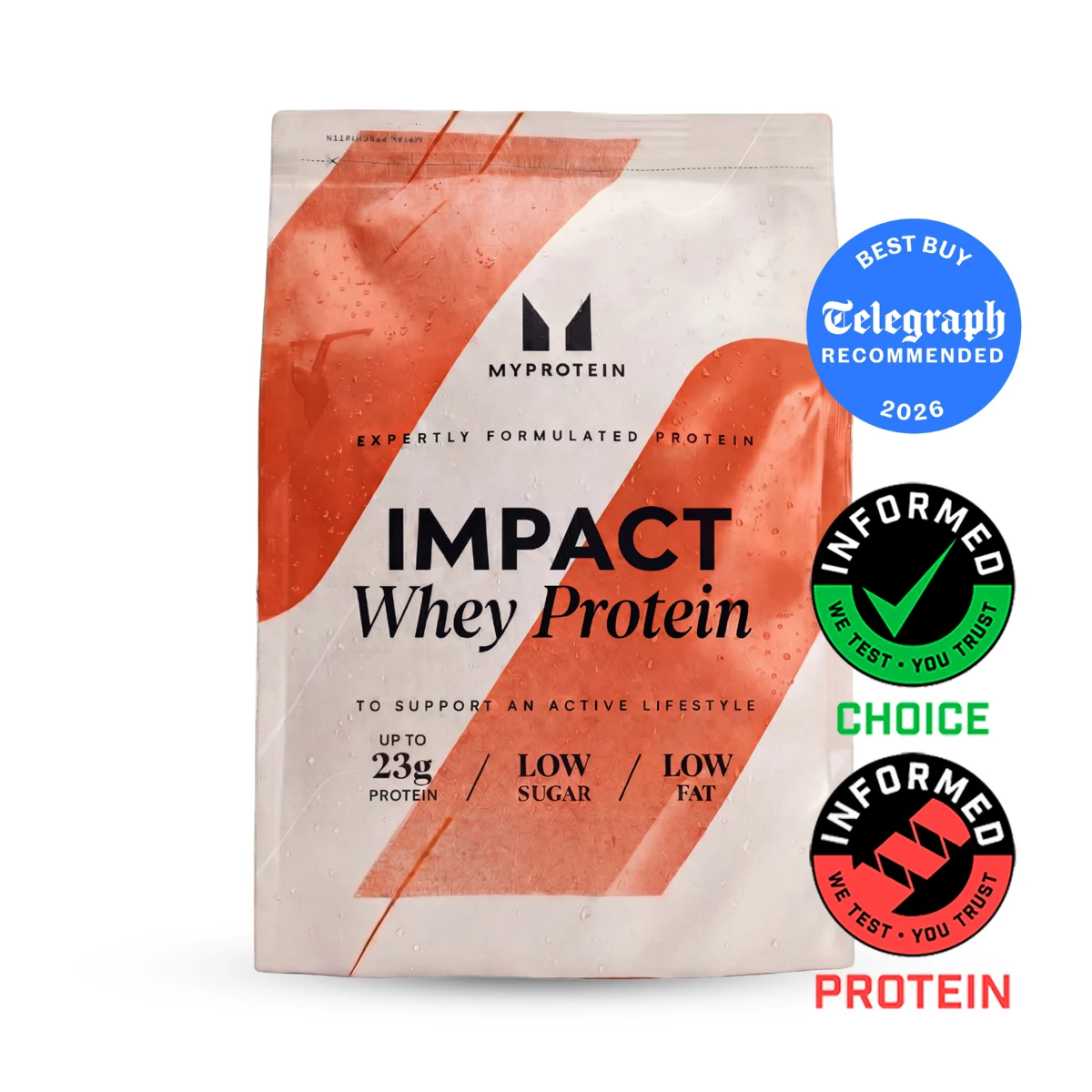
Myprotein Impact Whey Protein Unflavoured
Myprotein
- • Unflavoured variant only
- • Whey concentrate (milk) and soy lecithin
Honest caveat: Contains milk and soy. Use the Unflavoured variant only and check the current label. Sports certification is not a heavy-metal test; confirm the exact batch if relevant.
£32.99
myprotein.com
We may earn a commission if you buy through our links. How we choose ›
How strong is the research? What our grades mean ›
- Strong research
- Independent certification or lab data for the specific claim.
- Promising research
- The material is well supported, but there is no product-level testing.
- Early research
- Little independent research.
- Mixed research
- Research findings disagree.
- £
- Under £20
- ££
- £20 to £79
- £££
- £80+
Our take: Most people can meet their protein needs through food. Protein powder is a convenience, not a necessity.
Sweetened or flavoured blends are left out as ultra-processed; choose unflavoured single-ingredient options instead, in line with our selection policy.
Do you need protein powder?
The British Nutrition Foundation gives the UK adult reference intake as 0.75g of protein per kilogram of body weight per day. Needs vary with age, activity and health. Eggs, plain yoghurt, beans, lentils, tofu, fish and meat can supply protein without a supplement.
A powder can be convenient when appetite, time or dietary restrictions make food alone difficult. People with kidney disease or other medical needs should seek individual advice before changing protein intake.
Our remaining pick
| Product | Type | Ingredients to verify | Important caveat |
|---|---|---|---|
| Protein powderPulsin Pea Protein Powder 250g | Unflavoured plant protein | Pea protein only | Check the current pack; no public batch heavy-metal results were identified |
Pulsin Pea Protein: unflavoured single-ingredient option
The listed recipe is pea protein without sweeteners or flavourings. It can be stirred into porridge, soups or baking. Its earthy taste will not suit everyone. A short ingredient list does not establish contaminant levels or mean a supplement is needed.
Sweetened, flavoured and protein-isolate blends remain excluded. Unflavoured whey concentrate with lecithin is an explicitly checked exception under our policy; the flavour-specific link and current ingredients must match.
Unflavoured whey variants
| Product | Variant | Ingredients and review status |
|---|---|---|
| Protein powderMyprotein Impact Whey Protein Unflavoured | 900g, 30 servings | Whey concentrate and soy lecithin; use the verified Unflavoured variant only |
| Bulk Pure Whey Protein Unflavoured | 900g | Exact Unflavoured link identified; withheld from picks while the current label is reviewed |
Do not substitute a flavoured bag. These are renamed existing products, not additional flavours or duplicate recommendations.
What testing tells you
Informed Sport checks batches for substances banned in sport; Informed Choice uses a sampling programme. These are not heavy-metal certifications.
US testing reported in 2025 found variation in lead levels across powders. It does not establish levels in an untested UK product. A 2020 risk assessment also considered exposure from supplements. Ask for batch-specific contaminant results rather than treating a brand-wide claim as a laboratory finding for your pack.
Comparing value
Compare the price per gram of protein, not just the price per tub. Use the protein figure per 100g and the pack weight to work out the total protein. Prices and pack sizes change, so use the current retailer label.
Bottom line
Food first. If a powder meets a genuine need, check for an unflavoured single-ingredient recipe and relevant testing. A higher protein intake is not automatically better.
Frequently asked questions
Do I need protein powder?
+
Most people can meet protein needs through food. A powder may be convenient for a genuine dietary need, but requirements depend on age, activity and health.
Which powders are included here?
+
Plain Pulsin Pea Protein and the checked Myprotein Unflavoured whey variant are options. Bulk Unflavoured is awaiting label confirmation. Sweetened and flavoured blends remain excluded; check the exact flavour and current label.
Does sports certification test heavy metals?
+
Informed Sport and Informed Choice focus on substances banned in sport. These certifications do not establish heavy-metal levels or whether a supplement is necessary.
Last updated


