Women's Health
Best Pelvic Floor Trainers UK (2026): Do You Need One?
Part of Women's health ›Our top pick
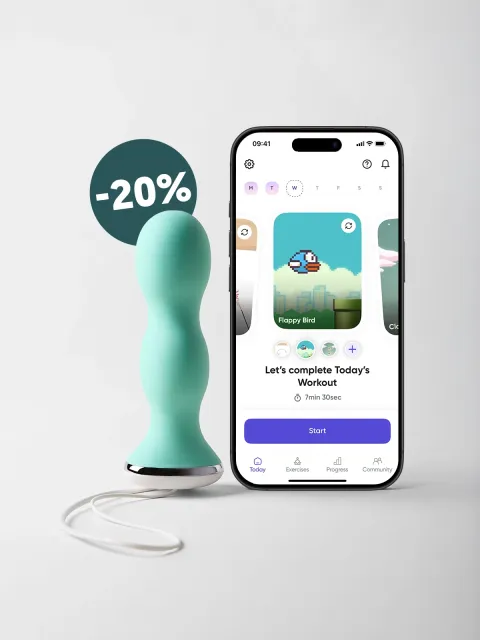
Pelvic floor trainer · £119
Budget: Kegel8 Kegel Weights Exercise Set · £44.99 ›Premium: Elvie Trainer Smart Kegel Exerciser · £169 ›
Quick answer
You do not need a gadget to train your pelvic floor. NICE recommends at least 3 months of supervised pelvic floor exercises first for stress leaks. App trainers like Perifit and Elvie can help you check technique and stick with it, but evidence for the device itself is limited. Electrical stimulation is only for people who cannot contract the muscles.
Our picks
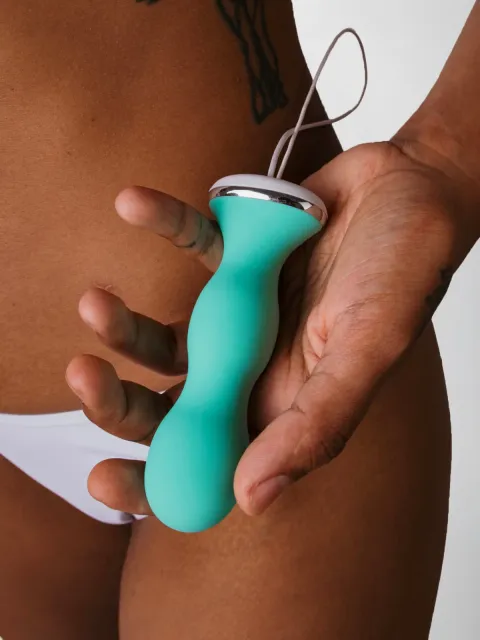
Perifit Care (Original Kegel Exerciser)
Perifit
- • Real-time biofeedback through games
- • Medical-grade silicone, rechargeable
Honest caveat: The exercise is what helps, not the gadget. NICE advises against routine use of this kind of biofeedback, and app studies show better adherence but small symptom gains. Needs a smartphone and some people find internal devices uncomfortable.
£119
uk.perifit.co
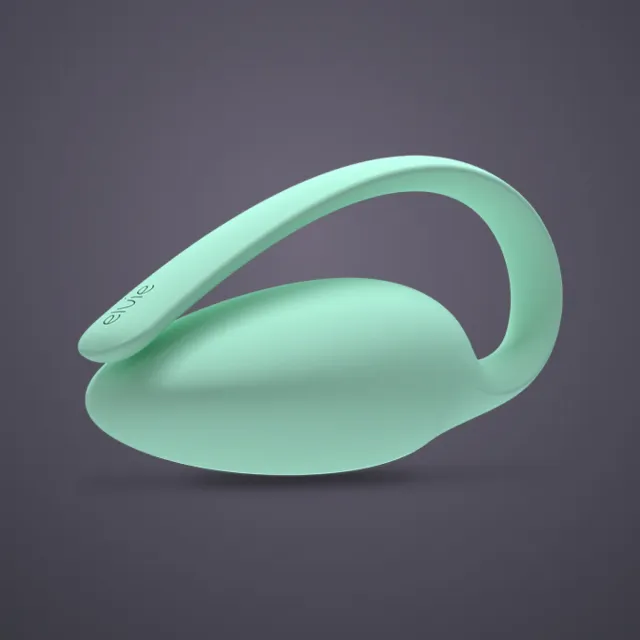

Elvie Trainer Smart Kegel Exerciser
Elvie
- • Short guided workouts in the app
- • Medical-grade silicone
Honest caveat: It costs more than Perifit for a similar job. Like all biofeedback trainers it supports the exercises but does not replace them, and NICE does not recommend routine biofeedback. Needs a smartphone.
£169
uk.elvie.com
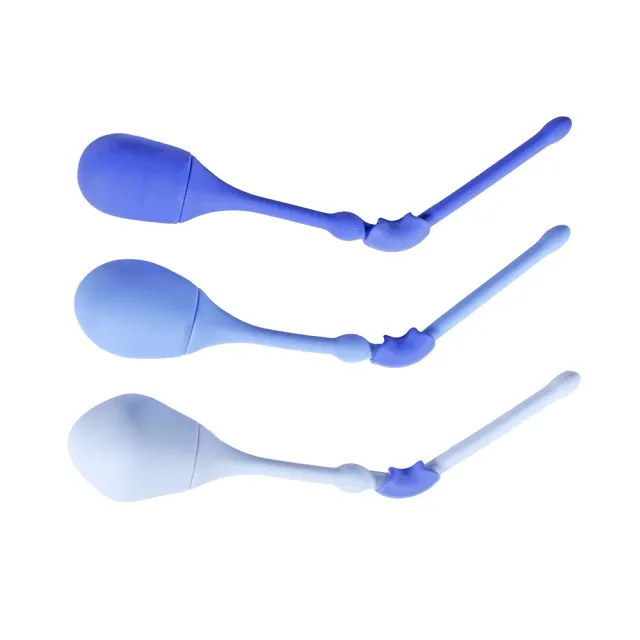
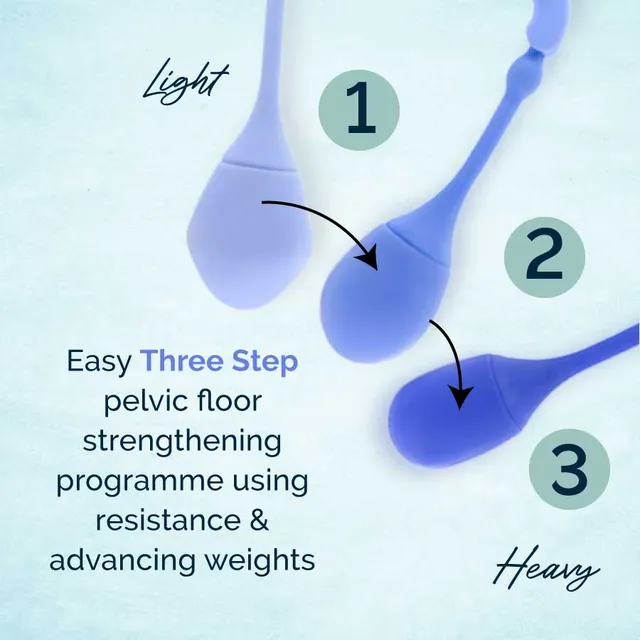
Kegel8 Kegel Weights Exercise Set
Kegel8
- • Graded weights to progress
- • No app or batteries
Honest caveat: No feedback, so you cannot tell if you are squeezing correctly, and it is harder to use if your muscles are very weak. The £44.99 price includes VAT; the VAT-free price only applies if you qualify.
£44.99
kegel8.co.uk
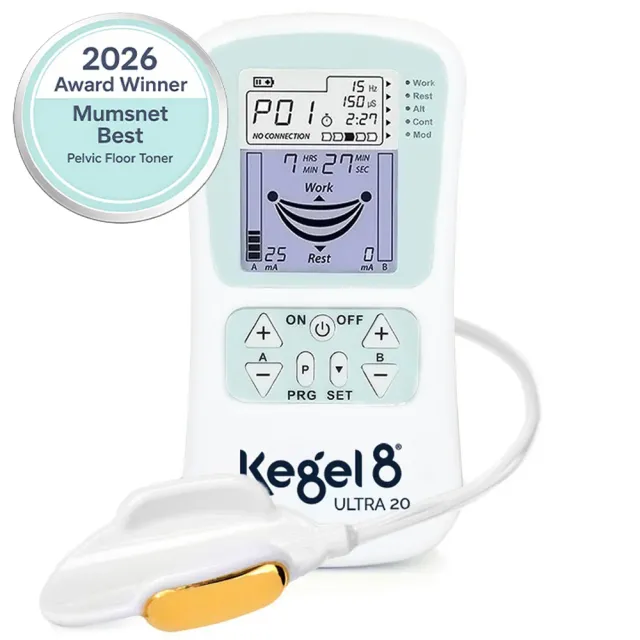

Kegel8 Ultra 20 V2 Electronic Pelvic Toner
Kegel8
- • Electrical stimulation with multiple programmes
- • Can help people who cannot find the muscles
Honest caveat: NICE says not to use electrical stimulation routinely, or routinely alongside pelvic floor training. Most people gain more from supervised exercises. The price drops to £149.99 only if you qualify for VAT relief.
£177.99
kegel8.co.uk
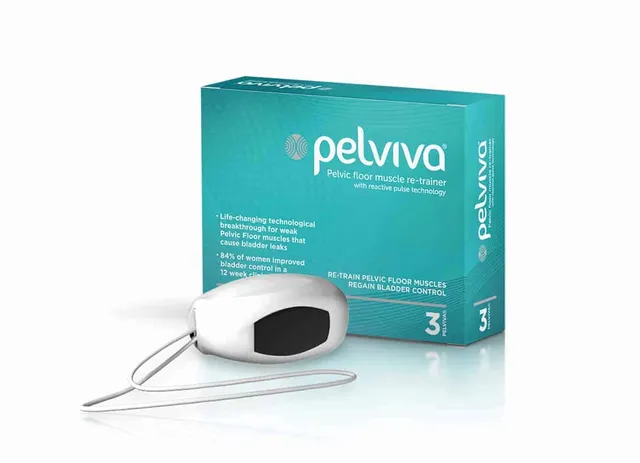

Pelviva Pelvic Floor Trainer (3 treatments)
Pelviva
- • Single-use, no settings to learn
- • 3-pack trial size
Honest caveat: Each insert is single-use, so a full course is expensive (£199.95 for 15) and creates waste. It is a stimulation approach, which NICE does not recommend for routine use. Evidence comes mainly from the maker’s own studies.
£42.95
pelviva.com
We may earn a commission if you buy through our links. How we choose ›
How strong is the research? What our grades mean ›
- Strong research
- Independent certification or lab data for the specific claim.
- Promising research
- The material is well supported, but there is no product-level testing.
- Early research
- Little independent research.
- Mixed research
- Research findings disagree.
- £
- Under £20
- ££
- £20 to £79
- £££
- £80+
Pelvic floor muscle training (PFMT, often called Kegels) is one of the best-supported things you can do for bladder leaks. A Cochrane review found high confidence that it can cure or improve stress urinary incontinence (leaking when you cough, sneeze, laugh or exercise). The question is whether a device adds anything. This guide explains what NICE says, which kinds of trainer exist, and which ones are worth the money.
If you have leaks, pain, a dragging feeling or a bulge in the vagina, blood in your urine or symptoms after birth that are not improving, see a GP. Many areas offer self-referral to an NHS pelvic health physiotherapist.
What does NICE recommend for pelvic floor problems?
NICE guideline NG123 is clear on the order of things:
- Supervised training first: offer a trial of supervised pelvic floor muscle training lasting at least 3 months as first-line treatment for stress or mixed incontinence.
- Enough reps: programmes should include at least 8 contractions, 3 times a day.
- No routine gadgets: do not use perineometry or electromyography (pressure or muscle sensors) as biofeedback as a routine part of training.
- Stimulation only in specific cases: do not routinely use electrical stimulation, or routinely combine it with training. Consider stimulation or biofeedback for women who cannot actively contract the pelvic floor, to help motivation and adherence.
In plain terms: the exercises do the work. A device can help some people find the right muscles or keep going, but it is a support act.
Do pelvic floor trainers actually work?
| Claim | Evidence grade | Best evidence |
|---|---|---|
| Pelvic floor exercises improve stress leaks | Strong | Cochrane review, 2018 |
| App or biofeedback trainers improve results beyond exercise alone | Early | NICE NG123; apps meta-analysis, 2026 |
| Apps help people stick with exercises | Promising | Apps meta-analysis, 2026 |
| Electrical stimulation helps most women | Early | NICE NG123: not for routine use |
A 2026 meta-analysis of app-based training found apps may improve adherence and how people rate their symptoms, but the size of the improvement may fall below what counts as clinically important, and the certainty of evidence is low. The authors concluded that apps should complement, not replace, supervised training.
Start free: the NHS Squeezy app
Before buying anything, try Squeezy, an exercise reminder app designed by NHS physiotherapists. It costs a few pounds, reminds you to do your sets and logs your progress. Many NHS pelvic health services recommend it. Pair it with the NHS guidance on non-surgical treatment.
What types of pelvic floor trainer are there?
- Biofeedback trainers (Perifit, Elvie): a sensor sits in the vagina and shows your squeezes on your phone in real time. Good for checking technique and staying motivated.
- Weighted cones or balls (Kegel8 weights): you hold a small weight in place. Simple and battery-free, but no feedback.
- Electrical stimulation (Kegel8 Ultra 20, Pelviva): a gentle current makes the muscles contract for you. Mainly for people who cannot find or squeeze the muscles at all.
- Wearable stimulation shorts (such as INNOVO): pads in shorts stimulate the muscles from outside. We could not verify a current UK price, so we have not listed it.
Our picks at a glance
| Product | Best for | Material/key feature | Price | Evidence grade |
|---|---|---|---|---|
| Pelvic floor trainerPerifit Care (Original Kegel Exerciser) | Staying motivated with feedback | Silicone sensor, game app | £119 | Promising |
| Pelvic floor trainerElvie Trainer Smart Kegel Exerciser | Short, polished guided sessions | Silicone sensor, app | £169 | Promising |
| Pelvic floor trainerKegel8 Kegel Weights Exercise Set | A no-app option | Graded weights | £44.99 | Early |
| Pelvic floor trainerKegel8 Ultra 20 V2 Electronic Pelvic Toner | People who cannot contract the muscles | Electrical stimulation | £177.99 | Early |
| Pelvic floor trainerPelviva Pelvic Floor Trainer (3 treatments) | Trying stimulation without a unit | Single-use insert | £42.95 | Early |
How we chose
We started with NICE NG123 and the Cochrane evidence, then looked for devices sold through UK brand stores with clear prices. We grouped them by type and graded the evidence for what each type adds to exercise alone. We favoured devices that help you do the exercises properly over devices that do the exercise for you. We did not include unbranded marketplace "pelvic trainers" that squeeze between the thighs, as they train the inner thigh, not the pelvic floor.
Perifit Care (Original Kegel Exerciser)
Our top pick for most people who want a device. It shows each squeeze on screen through simple games, so you can check you are lifting and relaxing properly, and it is often on offer at £95.20. Caveat: it helps you do the exercises; it does not replace them. NICE does not recommend routine biofeedback, and you need a smartphone. Some people find internal devices uncomfortable.
Elvie Trainer Smart Kegel Exerciser
A smaller, premium sensor with five-minute guided workouts, also sold by John Lewis. It suits people who like a tidy app and short sessions. Caveat: it does a similar job to Perifit for about £50 more, and the same NICE caution on biofeedback applies.
Kegel8 Kegel Weights Exercise Set
A low-tech option with graded weights, so you can progress without a phone or charging. Caveat: there is no feedback, so it is hard to tell whether you are squeezing correctly, and it is harder to use if your muscles are very weak. The quoted price includes VAT; the lower VAT-free price applies only if you are eligible.
Kegel8 Ultra 20 V2 Electronic Pelvic Toner
A home electrical stimulation unit with many programmes. NICE says stimulation can be considered for women who cannot actively contract the pelvic floor. Caveat: NICE advises against routine use, so get advice from a GP or pelvic health physiotherapist first. It is not suitable in pregnancy or with a pacemaker.
Pelviva Pelvic Floor Trainer (3 treatments)
A single-use insert that triggers contractions, with no settings or wires. The 3-pack is a lower-cost way to see whether stimulation suits you. Caveat: a full course gets expensive (£199.95 for 15) and creates waste, and stimulation is not first-line treatment.
Who should be careful with pelvic floor trainers?
- Pain or an overactive pelvic floor: if sex, tampons or examinations are painful, your muscles may be too tight. Strengthening devices can make this worse. See a physiotherapist.
- Pregnancy and early postnatal weeks: check with your midwife or GP before using any internal device or stimulation.
- Prolapse symptoms: a bulge or dragging feeling needs assessment first.
- Pacemakers or implanted devices: avoid electrical stimulation.
- Infections or unexplained bleeding: see a GP before using anything internal.
What to look for in a pelvic floor trainer
- Feedback on technique if you are not sure you are using the right muscles.
- Medical-grade silicone that is easy to clean.
- A routine you will actually do: 8 or more squeezes, 3 times a day, for at least 3 months.
- A clear returns policy, since hygiene rules often stop returns once opened.
- Advice from a professional before buying a stimulation device.
Bottom line
Pelvic floor exercises work, and NICE wants you to start with at least 3 months of supervised training. Try the low-cost Squeezy app and ask about NHS physiotherapy first. If you want a device to keep you on track, Perifit Care offers the best value for real-time feedback, and Elvie is the premium choice. Save electrical stimulation for when a professional suggests it.
Frequently asked questions
Which pelvic floor trainer does the NHS recommend?
+
The NHS and NICE do not recommend a specific device. NICE advises at least 3 months of supervised pelvic floor exercises first, and says not to use biofeedback or electrical stimulation routinely. The NHS-physiotherapist-designed Squeezy app is widely suggested for reminders. Ask your GP about self-referral to a pelvic health physiotherapist.
Do Kegel trainers like Perifit and Elvie really work?
+
The exercises work well for stress leaks, with strong Cochrane evidence. App trainers help some people check technique and stay consistent, but studies show only small extra gains and low certainty. Think of them as a coach, not a cure, and use them alongside a proper training plan.
How long does it take for pelvic floor exercises to work?
+
NICE recommends a trial of at least 3 months, doing at least 8 contractions 3 times a day. Many people notice changes within a few weeks, but it can take 3 to 6 months. If there is no improvement after 3 months, go back to your GP or physiotherapist.
Are electrical pelvic floor stimulators worth it?
+
For most women, no. NICE says electrical stimulation should not be used routinely, but can be considered if you cannot contract your pelvic floor muscles at all. Get assessed first. Stimulation devices are not suitable in pregnancy or if you have a pacemaker.
Can a pelvic floor trainer make things worse?
+
Yes, if your pelvic floor is too tight rather than weak. Signs include pain with sex, tampons or examinations, or difficulty emptying your bladder. Strengthening can increase tension. See a GP or pelvic health physiotherapist before using any device if you have pain.
Are pelvic floor trainers suitable after giving birth?
+
Gentle pelvic floor exercises are usually encouraged soon after birth, but wait for your postnatal check and advice from your midwife or GP before using an internal device or stimulation. If leaks continue beyond a few months, ask to see an NHS pelvic health physiotherapist.
Last updated