Supplements, Fact-Checked
Best Multivitamin UK (2026): What the Trials Really Show
Quick answer
Most UK adults eating a varied diet do not need a multivitamin, but a cheap standard one-a-day formula is a reasonable insurance policy. Large trials found small benefits for memory and cancer, not heart disease. The NHS advises vitamin D in autumn and winter for everyone and folic acid before pregnancy.
Our picks
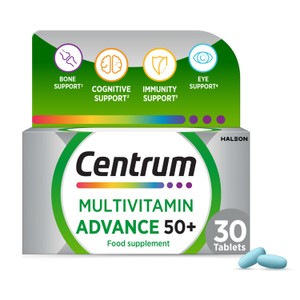
Centrum Advance 50+ Multivitamins & Minerals (30 tablets)
Centrum
- • Closest UK relative of the trial multivitamin
- • Standard doses, not megadoses
Honest caveat: The UK Advance 50+ formula is similar to, not identical to, the trial product. The trials found small effects (a modest drop in total cancer in older male doctors, a small slowing of memory decline in older adults), not dramatic ones. Contains sweeteners and colours some people avoid.
£5.35
ocado.com
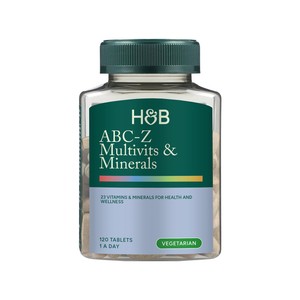
Holland & Barrett ABC to Z Multivitamins & Minerals (120 tablets)
Holland & Barrett
- • About 7p a day
- • Four months per pack
Honest caveat: No third-party testing is advertised. Standard A to Z formulas usually contain iron, which older men and postmenopausal women often do not need. Check the label before combining with other supplements.
£8.25
ocado.com

Vitabiotics Wellwoman Original (30 capsules)
Vitabiotics
- • Contains iron
- • Women’s formula
Honest caveat: Women’s formulas are mostly marketing segmentation: the core vitamins are similar to unisex products. Includes extras such as botanicals that have little evidence at these doses.
£8.55
vitabiotics.com

Vitabiotics Wellman Original (30 tablets)
Vitabiotics
- • Men’s formula
- • About 30p a day
Honest caveat: Like other gender-specific formulas, the difference from a unisex product is small. Added botanicals are there for marketing more than evidence.
£8.85
vitabiotics.com

Thorne Basic Nutrients 2/Day (60 capsules)
Thorne
- • Iron-free
- • Two capsules a day
Honest caveat: We could not confirm NSF certification for this exact UK listing, so check the label if testing matters to you. ’Active’ vitamin forms have not been shown to improve health outcomes for most people. Several times the price of a supermarket multi.
£29.19
healf.com

Pure Encapsulations O.N.E. Multivitamin
Pure Encapsulations
- • One capsule a day
- • Minimal fillers
Honest caveat: Fewer additives is a preference, not a proven health advantage. Includes extra antioxidants such as lutein whose benefit in a multi is not established. Check the pack size on the listing, as Healf sells more than one.
£18.89
healf.com

Wild Nutrition Food-Grown Women’s Daily Multi Nutrient (30 days)
Wild Nutrition
- • Refillable glass jar
- • Men’s version also available
Honest caveat: ’Food-grown’ nutrients are marketed as better absorbed, but we found no independent trials showing better health outcomes than standard forms. You pay about five times the price of a supermarket multi.
£39
wildnutrition.com

Zooki Women’s Multi Liposomal Capsules (30 servings)
Zooki
- • Liposomal format
- • Men’s version also sold
Honest caveat: Liposomal delivery is plausible for some nutrients but there is little independent evidence that it improves health outcomes from a multivitamin. One of the most expensive options here per day.
£39.99
zooki.com
We may earn a commission if you buy through our links. How we choose ›
How strong is the research? What our grades mean ›
- Strong research
- Independent certification or lab data for the specific claim.
- Promising research
- The material is well supported, but there is no product-level testing.
- Early research
- Little independent research.
- Mixed research
- Research findings disagree.
- £
- Under £20
- ££
- £20 to £79
- £££
- £80+
Do you actually need a multivitamin?
The NHS position is clear: most people should get all the nutrients they need from a varied and balanced diet, although some people need extra supplements. Two pieces of advice apply widely in the UK:
- Vitamin D: government advice is that everyone should consider a daily 10 microgram vitamin D supplement in autumn and winter, and some higher-risk groups all year.
- Folic acid: if you are pregnant, trying for a baby or could get pregnant, take 400 micrograms of folic acid daily until 12 weeks of pregnancy.
A multivitamin can cover both, but check the label: many contain only 5 micrograms of vitamin D, and a pregnancy-specific product is the better choice if you are trying to conceive.
People who are more likely to benefit from a multi include those eating very restricted diets (for example vegan without fortified foods, or very low calorie), older adults with small appetites, and people advised by a GP after a blood test. If you have a diagnosed deficiency, a targeted supplement prescribed or advised by your GP usually beats a general multi.
Our picks at a glance
| Product | Best for | Key feature | Price | Evidence grade |
|---|---|---|---|---|
| Centrum Advance 50+ | Over-50s | Closest UK relative of the trial product | £5.35 | Promising |
| Holland & Barrett ABC to Z | Lowest cost | About 7p a day | £8.25 | Promising |
| Vitabiotics Wellwoman Original | Women wanting iron | Mainstream women's formula | £8.55 | Promising |
| Vitabiotics Wellman Original | Men | Easy one-a-day | £8.85 | Promising |
| Pure Encapsulations O.N.E. | Few additives | One capsule, minimal fillers | £18.89 | Promising |
| Thorne Basic Nutrients 2/Day | Iron-free premium | Active folate and B12 | £29.19 | Promising |
| Wild Nutrition Women's Daily Multi | Refillable packaging | Food-grown style | £39.00 | Early |
| Zooki Women's Multi | Liposomal format | Liposomal capsules | £39.99 | Early |
How we chose
We looked for multivitamins sold by UK retailers with prices you can check, doses close to 100% of reference values (rather than megadoses), clear labelling, and a spread from budget to premium. We gave extra credit to brands with independent testing, such as NSF Certified for Sport, and to products similar to those used in large trials. We marked down premium claims (food-grown, liposomal, 'active' forms) where we found no independent evidence that they improve health outcomes.
What does the research really show?
| Claim | Evidence grade | Best evidence |
|---|---|---|
| Lowers cancer risk | Mixed research | PHS II: 8% fewer cancers in older male doctors; USPSTF: evidence insufficient |
| Lowers heart disease risk | Mixed research (largely no effect) | PHS II: no effect on heart attacks or strokes |
| Slows memory decline with age | Promising | COSMOS pooled analysis; COSMOS-Mind |
| Helps you live longer | Mixed research (no benefit seen) | Cohort of 390,000 adults |
| Fills gaps in a poor diet | Strong (by definition) | NHS |
The COSMOS trials
The COSMOS trial gave more than 21,000 older US adults a daily multivitamin or placebo (dummy pill). Three cognitive substudies found a small benefit. In COSMOS-Mind, 2,262 people aged around 73 had a statistically significant improvement in global cognition over three years. A pooled analysis of the three substudies found benefits for global cognition and episodic memory (remembering events). The effect was small, and participants were mostly white Americans, so we cannot assume the same in younger or more diverse groups. The trial used Centrum Silver, and the multivitamins were donated by the manufacturer, while cocoa extract was supplied by Mars.
Physicians' Health Study II
This trial gave 14,641 male US doctors aged 50 and over a multivitamin or placebo for about 11 years. Total cancer was modestly lower (hazard ratio 0.92), but there was no effect on heart attacks, strokes or heart deaths. Doctors are healthier than average, so results may differ in other groups.
What the US Preventive Services Task Force says
In 2022 the USPSTF concluded that evidence is insufficient to recommend multivitamins for preventing heart disease or cancer, and recommended against beta carotene and vitamin E supplements for that purpose. Beta carotene in particular has been linked to higher lung cancer risk in smokers.
Our picks in detail
Centrum Advance 50+: closest to what was tested
Its US sister product, Centrum Silver, was used in both COSMOS and PHS II, which makes this the nearest thing to a tested formula on UK shelves. Doses are sensible and the price is under 20p a day. Caveat: the UK formula is similar, not identical, and the effects seen in trials were small.
Holland & Barrett ABC to Z: best budget pick
At around 7p a tablet, this is the cheapest way to cover the basics, and there is no evidence that paying more buys better outcomes. Caveat: it contains iron, which older men and postmenopausal women often do not need, and no independent testing is advertised.
Vitabiotics Wellwoman Original and Wellman Original
The UK's best-known gender-specific multis, fairly priced and sold almost everywhere. Wellwoman includes iron, which can suit women with heavier periods. Caveat: the differences from a unisex multi are small, and the botanical extras have little evidence at these doses.
Pure Encapsulations O.N.E.: fewest additives
A one-a-day capsule from a practitioner brand known for minimal fillers. Caveat: fewer additives is a preference rather than a proven health benefit, and it costs roughly three times a supermarket multi.
Thorne Basic Nutrients 2/Day: premium, iron-free
Thorne has several products with NSF Certified for Sport, meaning independent testing of contents and contaminants. This iron-free formula uses methylfolate and methylcobalamin. Caveat: we could not confirm NSF certification for this exact UK listing, and 'active' forms have not been shown to improve outcomes for most people.
Wild Nutrition and Zooki: premium formats
Wild Nutrition's refillable glass jar cuts packaging, and Zooki's liposomal capsules appeal to people who want a different format. Caveat: neither 'food-grown' nor liposomal delivery has independent trials showing better health results, and both cost around £1.30 a day.
Who should be careful?
- Pregnant or trying to conceive: avoid standard multis high in vitamin A (retinol). Use a pregnancy supplement with 400 micrograms folic acid and 10 micrograms vitamin D.
- Older adults: the NHS advises postmenopausal women and older men to have no more than 1.5mg vitamin A a day from food and supplements, including fish liver oil.
- Vitamin D upper limit: do not exceed 100 micrograms (4,000 IU) a day unless a doctor advises it.
- Smokers: avoid products with high-dose beta carotene.
- Medicines: vitamin K can affect warfarin; iron and calcium can reduce absorption of levothyroxine and some antibiotics. Check with a pharmacist.
- Doubling up: adding a multi to other supplements can push you over the NHS upper limits. Add up the label totals.
What to look for when buying
- Doses close to 100% NRV (nutrient reference value), not 1,000% megadoses.
- At least 10 micrograms vitamin D if you want it to cover winter needs.
- Iron only if you need it.
- Vitamin A as beta carotene or a modest retinol dose.
- Independent testing marks such as NSF Certified for Sport or Informed Sport if quality assurance matters to you.
In the UK, multivitamins are regulated as food supplements, not licensed medicines, so the MHRA does not check that they work.
Bottom line
If you eat reasonably well, skip the multi and take vitamin D from October to March. If you want a multi, a cheap standard formula such as Centrum Advance 50+ or Holland & Barrett ABC to Z gives you what the trials tested. Premium formats cost more without evidence of better results. Speak to a GP or pharmacist if you are pregnant, on regular medicines or have a health condition.
Frequently asked questions
Does the NHS recommend taking a multivitamin?
+
No, not for everyone. The NHS says most people should get the nutrients they need from a varied, balanced diet. It does advise everyone to consider 10 micrograms of vitamin D a day in autumn and winter, and 400 micrograms of folic acid daily for anyone pregnant or trying to conceive until 12 weeks. A GP may suggest other supplements after a blood test.
Do multivitamins improve memory?
+
There is promising but modest evidence. The COSMOS trials in older US adults found a daily multivitamin slightly slowed cognitive ageing over two to three years, mainly for episodic memory. The effect was small, the participants were mostly older white Americans, and the trial used a standard Centrum formula, so expensive products are not needed to match what was tested.
Can you take too many vitamins?
+
Yes. Some vitamins build up in the body. The NHS advises no more than 100 micrograms of vitamin D a day, and postmenopausal women and older men should keep vitamin A to 1.5mg a day or less from food and supplements. Taking a multi alongside other supplements, such as fish liver oil, can push you over these limits, so add up the labels.
Is a more expensive multivitamin better?
+
Not on current evidence. Features such as food-grown, liposomal or active vitamin forms cost more, but we found no independent trials showing they improve health outcomes for most people. Independent quality testing, such as NSF Certified for Sport, is a better reason to pay more because it checks the product contains what the label says.
Should I take a multivitamin if I am pregnant?
+
Use a supplement designed for pregnancy rather than a standard multi. It should provide 400 micrograms of folic acid and 10 micrograms of vitamin D, and avoid high-dose vitamin A (retinol), which can harm a developing baby. Your midwife or GP may advise a higher folic acid dose if you have certain risk factors.
Can multivitamins interact with medicines?
+
Some can. Vitamin K can affect how warfarin works, and iron or calcium can reduce absorption of levothyroxine and some antibiotics if taken at the same time. If you take regular medicines, ask a pharmacist before starting a multivitamin and about the best time of day to take each one.
Last updated


