Supplements, Fact-Checked
Best Fibre Supplement UK (2026): Psyllium, Inulin and Food First
Quick answer
The best fibre supplement for most people is plain psyllium husk, which has strong evidence for easing constipation and lowering LDL cholesterol. But food comes first: UK adults should eat 30g of fibre a day and most manage about 20g. Inulin helps bowel frequency but tends to produce more wind.
Our picks
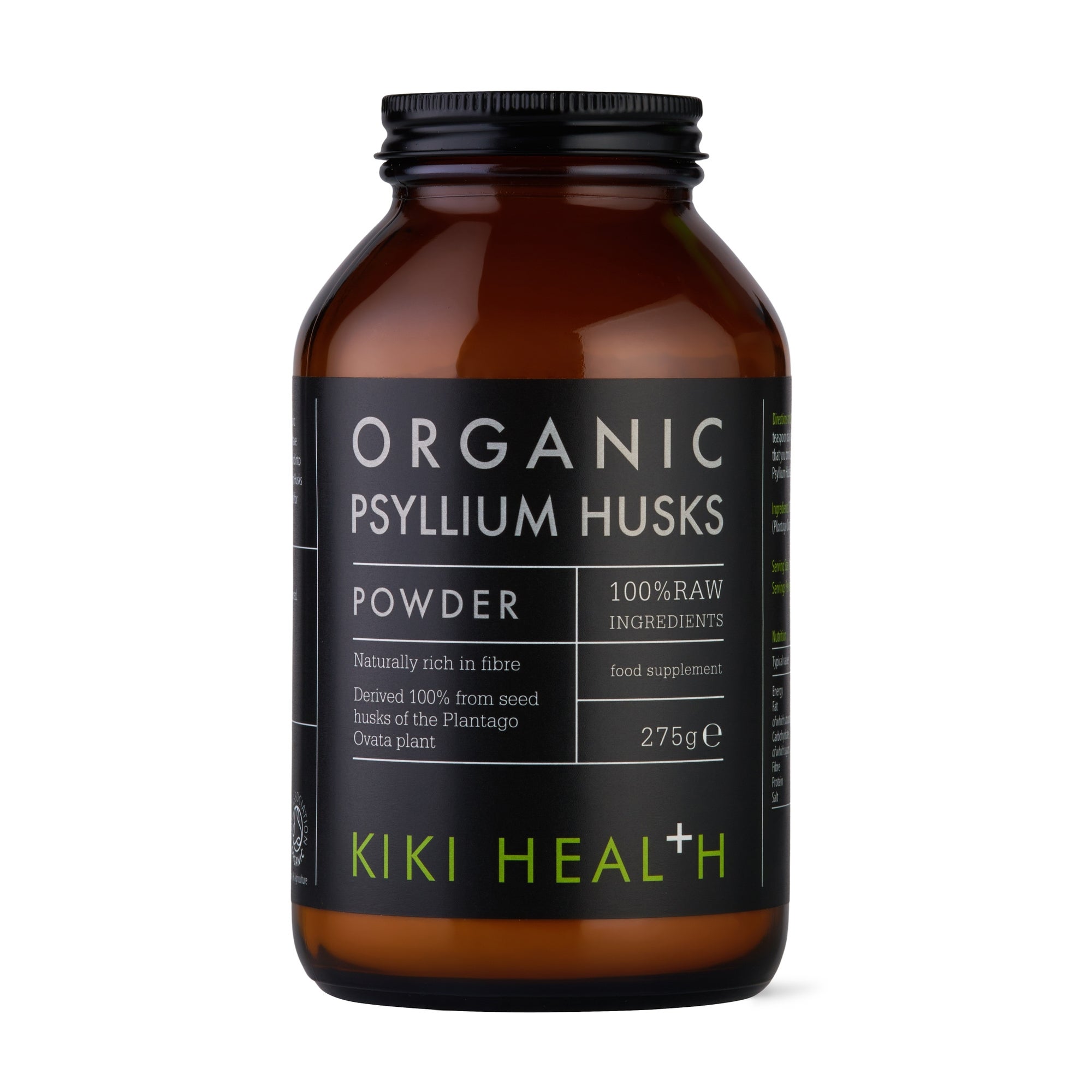
KIKI Health Organic Psyllium Husks (275g)
KIKI Health
- • Single ingredient
- • Organic
Honest caveat: Organic status tells you about farming, not purity or dose accuracy. You need to measure it yourself, start low and drink plenty, or bloating and wind are likely.
£19.95
lookfantastic.com
Sevenhills Wholefoods Psyllium Husk Powder (150g)
Sevenhills Wholefoods
- • Budget entry point
- • Powdered for smoother mixing
Honest caveat: Small pack, so cost per gram is not the lowest. No batch testing is advertised. The same water and start-low rules apply.
£7
ocado.com

Fybogel Hi-Fibre Orange Sachets (30)
Fybogel
- • Licensed medicine
- • NHS-named bulk-forming laxative
Honest caveat: It is a medicine for constipation, not a general fibre top-up, and contains sweetener and flavourings. Must be taken with plenty of water. If constipation lasts more than a couple of weeks, see a GP.
£16
groceries.morrisons.com
Holland & Barrett Psyllium Husk Capsules (180)
Holland & Barrett
- • No gel texture
- • 180 capsules
Honest caveat: Capsules hold well under a gram each, so reaching the 10g a day used in cholesterol trials would mean a lot of capsules. Still needs a full glass of water.
£18
ocado.com
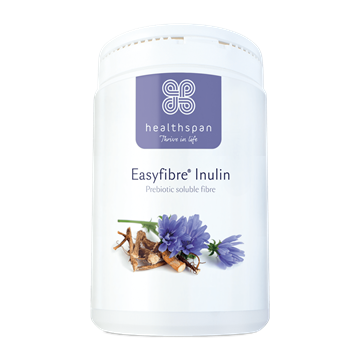
Healthspan Easyfibre Inulin (450g)
Healthspan
- • Chicory root only
- • 4.5g fibre per 5g
Honest caveat: Inulin is very fermentable, so gas and bloating are common at first. It does not lower cholesterol the way psyllium does. Start with a small scoop.
£17.99
healthspan.co.uk
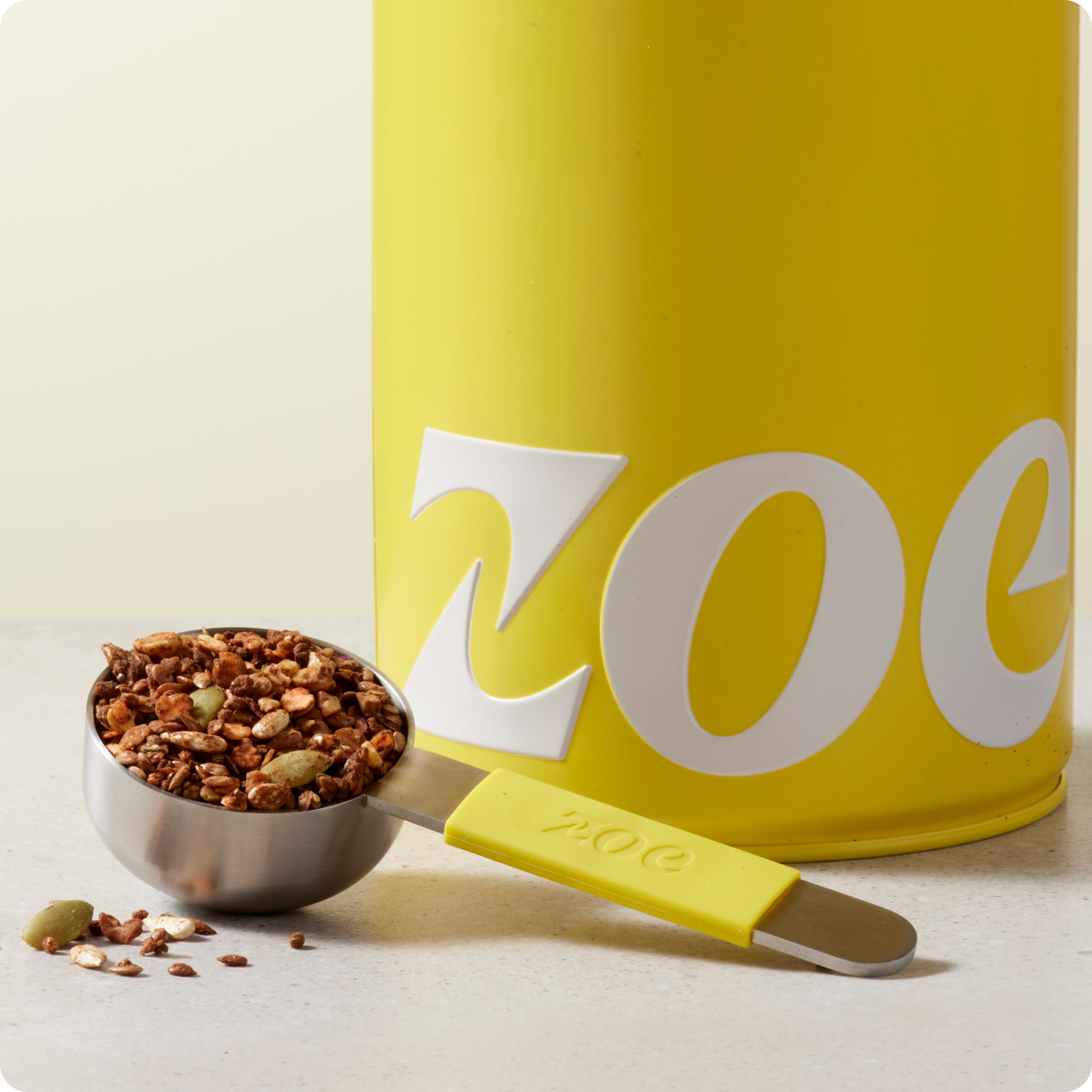
ZOE Daily30+ (1-month subscription)
ZOE
- • Wholefood blend
- • Adds plant variety
Honest caveat: We found no independent trial of this exact product. ZOE sells it on a subscription that auto-renews. You could make a similar mix from supermarket seeds and nuts.
£45
zoe.com
We may earn a commission if you buy through our links. How we choose ›
How strong is the research? What our grades mean ›
- Strong research
- Independent certification or lab data for the specific claim.
- Promising research
- The material is well supported, but there is no product-level testing.
- Early research
- Little independent research.
- Mixed research
- Research findings disagree.
- £
- Under £20
- ££
- £20 to £79
- £££
- £80+
How much fibre do you need, and how much do we eat?
UK guidelines, based on the SACN Carbohydrates and Health report, say adults should eat 30g of fibre a day. The NHS notes that most adults only eat about 20g. A large Lancet series of meta-analyses found that people eating the most fibre had 15 to 30% lower rates of death, heart disease, stroke, type 2 diabetes and bowel cancer than those eating the least, with the biggest gains at 25 to 29g a day or more.
Most of that evidence comes from fibre in food: wholegrains, beans, lentils, vegetables, fruit, nuts and seeds. These also bring vitamins, minerals and plant compounds. A supplement is a top-up, not a replacement.
Easy food swaps that add 10g a day
- Porridge oats with a tablespoon of ground linseed instead of a refined cereal.
- Half a tin of beans or lentils in a soup, stew or salad.
- Wholemeal bread or pasta instead of white.
- Fruit with the skin on, and a handful of nuts as a snack.
Our picks at a glance
| Product | Best for | Fibre type | Price | Evidence grade |
|---|---|---|---|---|
| Fybogel Hi-Fibre Orange | Short-term constipation | Ispaghula (psyllium) husk, licensed medicine | £16 | Strong |
| KIKI Health Organic Psyllium Husks | Daily plain psyllium | Whole psyllium husks | £19.95 | Promising |
| Sevenhills Psyllium Husk Powder | Trying psyllium cheaply | Psyllium powder | £7.00 (150g) | Promising |
| Holland & Barrett Psyllium Husk Capsules | No gel texture | Psyllium capsules | £18 | Promising |
| Healthspan Easyfibre Inulin | Tasteless prebiotic | Chicory inulin | £17.99 | Promising |
| ZOE Daily30+ | Plant variety | Mixed seeds, nuts, legumes | £45 | Early |
How we chose
We prioritised fibres with human trial evidence for specific outcomes, single-ingredient products with clear labels, and a range of formats (powder, capsules, sachets, wholefood blend). We checked live UK prices at brand sites and major retailers. Products with long ingredient lists of sweeteners and gums, or vague 'gut health' claims, were marked down.
What the evidence says about each type of fibre
| Claim | Evidence grade | Best evidence |
|---|---|---|
| Psyllium eases constipation | Strong | NHS: ispaghula is a bulk-forming laxative |
| Psyllium lowers LDL cholesterol | Strong | Meta-analysis of 28 trials: minus 0.33 mmol/L at about 10g a day |
| Inulin increases stool frequency | Promising | 2025 randomised trial, 12g a day |
| Fibre supplements match the benefits of a high-fibre diet | Early | Lancet meta-analyses are mostly food-based |
| Wholefood blends improve gut health | Early | No independent product trials found |
Psyllium: the best-evidenced fibre supplement
Psyllium (also sold as ispaghula) is a soluble fibre that forms a gel in water. It softens stools and adds bulk, which is why the NHS lists Fybogel as a bulk-forming laxative that takes up to three days to work. It also binds bile acids in the gut. A 2018 meta-analysis of 28 trials found about 10g a day lowered LDL cholesterol by 0.33 mmol/L, a modest but meaningful effect alongside diet.
Inulin: helpful, but gassy
Inulin from chicory root is a prebiotic fibre, meaning gut bacteria ferment it. A 2025 randomised trial in 39 people with functional constipation found 12g a day improved stool frequency and quality of life compared with placebo, although some effects carried over between trial periods. Because it ferments quickly, wind and bloating are common, and it is a FODMAP (a group of carbohydrates that trigger symptoms in many people with IBS).
Psyllium vs inulin vs blends: which should you choose?
| If your goal is... | Choose | Why |
|---|---|---|
| Softer, more regular stools | Psyllium | Gel-forming fibre with the strongest evidence and a licensed medicine version |
| Lower LDL cholesterol | Psyllium | Around 10g a day in trials lowered LDL by about 0.33 mmol/L |
| Feeding gut bacteria | Inulin or food | Fermentable prebiotic, but gassy for many |
| More plant variety | Wholefood blend or real food | Adds a range of fibres and plant compounds |
Our picks in detail
Fybogel Hi-Fibre Orange: best for short-term constipation
A licensed medicine, so its dose and quality are assessed by the MHRA. Pre-measured sachets take the guesswork out. Caveat: it is designed for constipation, contains sweeteners, and the NHS advises laxatives for short-term use. If symptoms last, see a GP.
KIKI Health Organic Psyllium Husks: best plain psyllium
Single-ingredient organic husks for stirring into water, yoghurt or porridge, or for gluten-free baking. Caveat: you measure it yourself, and organic tells you about farming, not purity.
Sevenhills Psyllium Husk Powder: best budget
The cheapest way to try psyllium, and the powder mixes more smoothly than whole husks. Caveat: small pack and no batch testing advertised.
Holland & Barrett Psyllium Husk Capsules: best for texture-haters
Capsules avoid the gloopy drink. Caveat: each capsule holds well under a gram, so reaching the 10g a day used in cholesterol trials means a lot of capsules.
Healthspan Easyfibre Inulin: best prebiotic powder
Pure chicory inulin, 4.5g fibre per 5g scoop, near tasteless. Caveat: expect wind at first, and it will not lower cholesterol like psyllium.
ZOE Daily30+: best for plant variety
A blend of seeds, nuts, legumes and spices, closer to food than an isolated fibre. Caveat: no independent trial of this product, and it costs £45 a month on an auto-renewing subscription. A homemade seed mix does a similar job.
Who should be careful?
- Swallowing problems or bowel obstruction: bulk-forming fibre swells and can lead to choking or blockage. Avoid unless a doctor advises it.
- Always take with plenty of water: at least a full glass per dose, and do not take it just before lying down.
- Medicines: fibre can slow absorption of some medicines. Ask a pharmacist how far apart to take them.
- Diabetes medication: psyllium can affect blood sugar after meals, so monitor if you are on glucose-lowering medicines.
- IBS: inulin often worsens symptoms; psyllium is usually better tolerated.
- Red flags: see a GP if you have blood in your stools, unexplained weight loss, a lasting change in bowel habit or constipation lasting more than a few weeks, as the NHS advises.
What to look for when buying
- A single named fibre with the grams of fibre per serving on the label.
- Psyllium if your goal is cholesterol or stool consistency; inulin if you want a prebiotic and tolerate it.
- Few or no sweeteners and flavourings for daily use.
- A licensed product (with a PL number) if you want dosing assured for constipation.
Bottom line
Aim for 30g a day from food first. If you need help, psyllium has the best evidence: Fybogel for short-term constipation, or plain psyllium such as KIKI or Sevenhills for daily use. Start with a small dose, build up over a week or two, and drink plenty of water.
Frequently asked questions
Do fibre supplements work as well as eating fibre?
+
Not fully. Psyllium has strong evidence for regular bowel movements and modestly lowering LDL cholesterol, but most of the evidence linking fibre to lower heart disease, diabetes and bowel cancer risk comes from fibre-rich foods. Wholegrains, beans, vegetables, fruit, nuts and seeds also supply vitamins, minerals and plant compounds that a supplement lacks.
How much psyllium should I take?
+
Follow the label, starting low, for example a teaspoon a day, and build up over a week or two. Cholesterol trials used around 10g a day split across meals. Always mix each dose with a full glass of water and drink plenty through the day. If you take medicines, ask a pharmacist how far apart to take them.
Is Fybogel the same as psyllium husk?
+
Fybogel contains ispaghula husk, which is another name for psyllium husk. The difference is that Fybogel is a licensed medicine for constipation, so its dose and quality are regulated by the MHRA, while plain psyllium powders are sold as foods. Fybogel also contains flavouring and sweetener.
Why does fibre make me bloated?
+
Gut bacteria ferment some fibres, producing gas. Inulin ferments quickly so it often causes wind and bloating, especially in people with IBS. Psyllium ferments more slowly and is usually better tolerated. Increasing gradually and drinking plenty of water helps your gut adjust over a couple of weeks.
Can fibre supplements be dangerous?
+
Bulk-forming fibres can swell, so taking them without enough water, or with swallowing problems or a bowel blockage, can lead to choking or obstruction. Do not take them just before lying down. See a GP if you have blood in your stools, unexplained weight loss or a lasting change in bowel habit.
Is ZOE Daily30+ worth it?
+
It is a pleasant way to add plant variety and some fibre, and it is closer to real food than most supplements. However, we found no independent trial of the product, and at £45 a month it costs far more than a bag of seeds, nuts and oats that would do a similar job.
Last updated


