Food & Farming
Best Matcha Powder UK (2026): Lead, Caffeine and Our Picks
Quick answer
The best matcha powder is a Japanese, ideally organic, 100% matcha from a brand you trust. Independent testing has found matcha powders low in lead, and a serving has about 53 to 72mg of caffeine. It gives more catechins than brewed green tea, but extra health claims are unproven.
Our picks

Clearspring Organic Japanese Matcha Ceremonial Grade
Clearspring
- • Organic
- • Uji, Japan
Honest caveat: Clearspring does not publish heavy metal test results on the product page. Organic status does not tell you about lead, which comes from soil and air.
£16.99
clearspring.co.uk
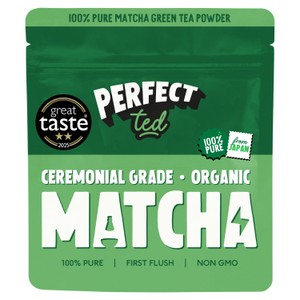
PerfectTed Organic Matcha Powder (30g)
PerfectTed
- • Organic
- • Supermarket staple
Honest caveat: Sold as an everyday matcha rather than a top grade. We did not find published heavy metal results on the retail listing.
£10.50
ocado.com

Tenzo Original Blend Organic Ceremonial Matcha (30 servings)
Tenzo
- • Sold as organic ceremonial
- • Smooth flavour
Honest caveat: A blend, so origin details are limited on the product page. We did not find published heavy metal results for this product.
£19.99
tenzotea.co

Bird & Blend Pure Grade Ceremonial Matcha (30g)
Bird & Blend
- • Ceremonial grade
- • Great Taste award
Honest caveat: Not certified organic and no heavy metal results published. The flavoured matchas in the same range contain added flavourings and sometimes sugar, so stick to the pure grade.
£22
birdandblendtea.com

Matchaeologist Meiko Ceremonial Matcha (20g)
Matchaeologist
- • Specialist London brand
- • Sipping grade
Honest caveat: Expensive per gram (£1 a gram in the 20g tin). No heavy metal results published on the product page. Not certified organic.
£20
matchaeologist.com

Clearspring Organic Japanese Matcha Premium Grade (40g)
Clearspring
- • Organic
- • Good for lattes and baking
Honest caveat: Lower grades come from later, larger leaves, which taste more bitter. No published heavy metal data.
£10.99
clearspring.co.uk
We may earn a commission if you buy through our links. How we choose ›
How strong is the research? What our grades mean ›
- Strong research
- Independent certification or lab data for the specific claim.
- Promising research
- The material is well supported, but there is no product-level testing.
- Early research
- Little independent research.
- Mixed research
- Research findings disagree.
- £
- Under £20
- ££
- £20 to £79
- £££
- £80+
What makes matcha different from green tea?
Matcha is made from tea leaves shaded for a few weeks before harvest, then steamed, dried and stone-ground into powder. Because you whisk the whole leaf into water, you consume everything in it, rather than discarding the leaves as with brewed tea. That means more of the good compounds, and potentially more of anything unwanted.
What does the evidence show?
| Claim | Evidence grade | Best evidence |
|---|---|---|
| More catechins (EGCG) than brewed green tea | Strong | ConsumerLab: 50 to 55mg EGCG per gram |
| Calm focus from caffeine plus L-theanine | Early | Small short-term studies |
| Heart and metabolic benefits | Early | Mostly observational green tea data |
| Matcha powders are high in lead | Mixed research | ConsumerLab 2018: tested matcha very low in lead |
| Green tea drinks harm the liver | Mixed research (supplements, not tea) | EFSA catechin opinion |
Catechins and caffeine
Independent testing by ConsumerLab found pure matcha powders contained 50 to 55mg of EGCG per gram, compared with about 20 to 40mg per gram in brewed green teas, and 53 to 72mg of caffeine per serving, versus about 95mg in a cup of brewed coffee. The possible heart and metabolic benefits of green tea come mostly from population studies, which show association, not proof.
Lead and heavy metals
Tea plants can take up lead from soil and air, and because matcha is whole leaf, there has been concern about lead exposure. Independent tests have been reassuring: ConsumerLab found the matcha products it tested in 2015 were nearly free of lead, arsenic and cadmium, and its 2018 review again found matcha powders very low in lead. Results can vary between brands and harvests, and campaign-style testing online is not always done to accredited standards. A brand that publishes recent independent lab results for heavy metals is a plus.
Is green tea bad for your liver?
EFSA's 2018 opinion concluded that catechins from green tea drinks prepared in the traditional way are generally considered fine at normal intakes (about 90 to 300mg EGCG a day). Rare liver reactions have been reported, and supplements giving 800mg EGCG a day or more raised liver enzymes in trials. One or two cups of matcha is well below that, but concentrated green tea extract pills are a different matter.
Our picks at a glance
| Product | Best for | Grade | Price | Evidence grade |
|---|---|---|---|---|
| Clearspring Organic Ceremonial | Organic Uji matcha | Ceremonial | £19.99 | Early |
| Tenzo Original Blend | Smooth everyday sipping | Ceremonial blend | £19.99 | Early |
| Bird & Blend Pure Grade | Award-winning ceremonial | Ceremonial | £19.99 | Early |
| Matchaeologist Meiko | Specialist sipping tea | Ceremonial | £19.99 | Early |
| PerfectTed Organic Matcha | Supermarket staple | Everyday | £10.50 | Early |
| Clearspring Organic Premium | Lattes and baking | Culinary/latte | £10.99 (40g) | Early |
How we chose
We looked for matcha from Japan, sold by UK brands or retailers with GBP prices, across ceremonial (for drinking with water) and culinary or latte grades (for milk drinks and baking). We gave credit for organic certification, clear origin and brewing guidance. None of our picks publishes product-level heavy metal results on its UK page, which is why all are graded Early; we would upgrade any brand that does.
Ceremonial vs culinary: does grade matter?
'Ceremonial' is not a regulated term. It usually means younger, first-harvest leaves with a brighter green colour, sweeter taste and less bitterness, best whisked with water. Culinary or latte grades use later leaves, taste stronger and are fine with milk or in baking. There is no good evidence that one grade is healthier than another.
Our picks in detail
Clearspring Organic Ceremonial: best overall
Organic, stone-ground matcha from Uji, sold by a long-established UK importer at a fair price. Caveat: no published heavy metal results, and organic certification does not cover lead.
Tenzo Original Blend: best for everyday drinkers
A smooth blend sold as organic ceremonial grade, with larger sizes for regular drinkers. Caveat: limited origin detail on the product page.
Bird & Blend Pure Grade Ceremonial: best award-winner
Shaded for two weeks before harvest, sugar-free and Great Taste awarded, from the company formerly known as Bluebird Tea Co. Caveat: not certified organic; avoid the flavoured matchas if you want no additives.
Matchaeologist Meiko: best specialist
A London specialist with clear brewing guides and a rich, full-bodied sipping tea. Caveat: about £1 per gram in the small tin.
PerfectTed Organic Matcha: best budget
Organic and stocked in supermarkets, easy to add to a weekly shop. Caveat: an everyday grade, best in lattes.
Clearspring Organic Premium: best for lattes and baking
Cheaper organic matcha that stands up to milk, in sizes up to 1kg. Caveat: more bitter when drunk with water alone.
How to make matcha without bitterness
Sift half to one teaspoon (about 1 to 2g) into a bowl, add a splash of water at around 70 to 80C (not boiling, which scorches it), whisk into a paste, then add more water or milk and whisk briskly in a zigzag until frothy. Boiling water and too much powder are the usual reasons for bitterness.
Who should be careful?
- Pregnancy: the NHS advises no more than 200mg caffeine a day. Two or three servings of matcha could approach that alongside other tea, coffee or chocolate.
- Low iron: the NHS notes that large amounts of tea and coffee make it harder to absorb iron from food and tablets. Drink matcha between meals rather than with them, and away from iron supplements.
- Caffeine sensitivity, anxiety or sleep problems: avoid matcha in the afternoon and evening.
- Green tea extract supplements: avoid high-dose pills, especially above 800mg EGCG a day, and check with a pharmacist if you take regular medicines.
- Children: matcha drinks contain caffeine and are not suitable for young children.
If you want to try it: what to look for
- Origin: Japanese matcha with a named region, such as Uji or Kagoshima.
- Ingredients: 100% matcha, with no sugar, milk powder or flavourings.
- Colour: bright green suggests fresher, younger leaves; dull olive powder is older or lower grade.
- Testing: brands that publish recent, accredited lab results for lead and other heavy metals.
- Packaging: airtight tins or pouches; keep it in the fridge once opened.
Bottom line
Matcha is a good way to get green tea catechins with moderate caffeine, and independent testing suggests lead levels in matcha are low. Choose a Japanese, ideally organic, matcha such as Clearspring or Tenzo for sipping, or a cheaper latte grade for milk drinks. Limit caffeine in pregnancy and keep it away from iron-rich meals if your iron is low.
Frequently asked questions
Is there lead in matcha?
+
Tea plants can take up lead from soil and air, and matcha is whole leaf, so some lead may be present. Independent testing by ConsumerLab in 2015 and 2018 found the matcha powders it tested were very low in lead. Levels vary by brand and harvest, so brands that publish recent accredited lab results are the most reassuring choice.
How much caffeine is in matcha?
+
ConsumerLab measured 53 to 72mg of caffeine per serving of pure matcha, compared with about 95mg in a cup of brewed coffee and 20 to 40mg in a standard green tea bag. The amount depends on how much powder you use, so a heaped scoop in a large latte can contain more.
Can I drink matcha when pregnant?
+
Yes, within limits. The NHS advises no more than 200mg of caffeine a day in pregnancy, counting tea, coffee, cola, chocolate and energy drinks. One or two servings of matcha a day fits for most people, but check your total. Avoid green tea extract supplements during pregnancy.
Does matcha stop iron absorption?
+
Tea, including matcha, can reduce how much iron your body absorbs from plant foods and supplements. The NHS advises people with iron deficiency to have less tea and coffee. Drinking matcha between meals, and at least an hour away from iron-rich foods or tablets, reduces the effect.
Is ceremonial matcha healthier than culinary matcha?
+
There is no good evidence that one is healthier. Ceremonial is an unregulated term usually meaning younger leaves with a sweeter, less bitter taste, best whisked with water. Culinary or latte grades taste stronger and suit milk drinks and baking. Choose by how you will drink it.
Can matcha damage your liver?
+
Normal matcha drinking is very unlikely to. EFSA concluded green tea drinks prepared traditionally are generally considered fine, but supplements giving 800mg or more of EGCG a day raised liver enzymes in trials. One or two cups of matcha supply far less. Rare individual reactions to green tea have been reported.
Last updated


